


Cold brew is having a moment. Here's what it actually is, why the cup matters, and which Cold Cup to reach for.
What Is Cold Brew?
Cold brew is coffee brewed without heat. Ground coffee steeped in cold or room temperature water for 12–24 hours, then filtered. No espresso machine. No hot water. Just time.
The result is a concentrate that's smoother, less acidic, and naturally sweeter than espresso-based iced coffee. The cold extraction process pulls different flavour compounds than heat does — which is why cold brew tastes like coffee, not like cold coffee.
It's not the same as iced coffee, which is hot espresso poured over ice. Cold brew starts cold and stays cold. The difference in taste is significant.
Why the Cup Matters
Cold brew has a flavour profile worth protecting. Single-use plastic apart from the microplastics impacting health also dulls the taste. A cup that holds residual heat warms it. A cup that doesn't seal properly dilutes it with condensation.
The right Cold Cup keeps the temperature honest, the taste clean, and the drink exactly as you made it from the first sip to the last.
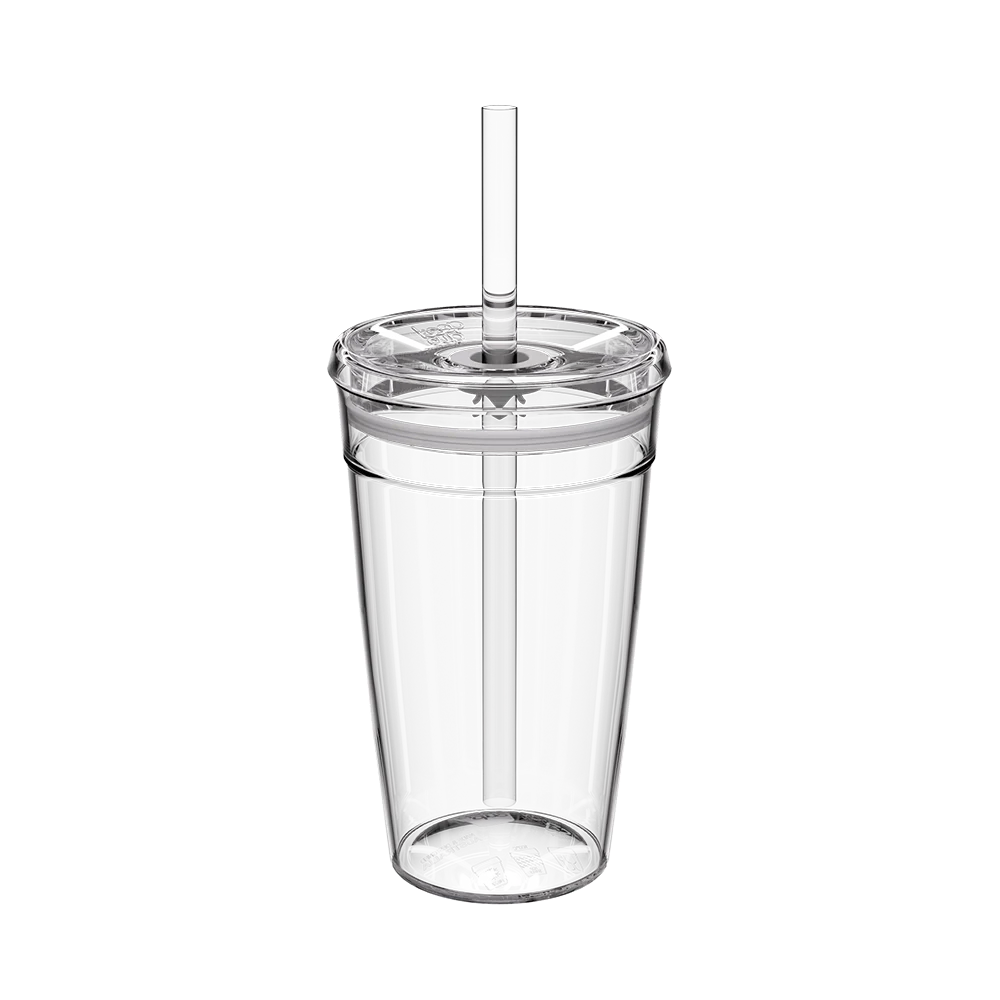
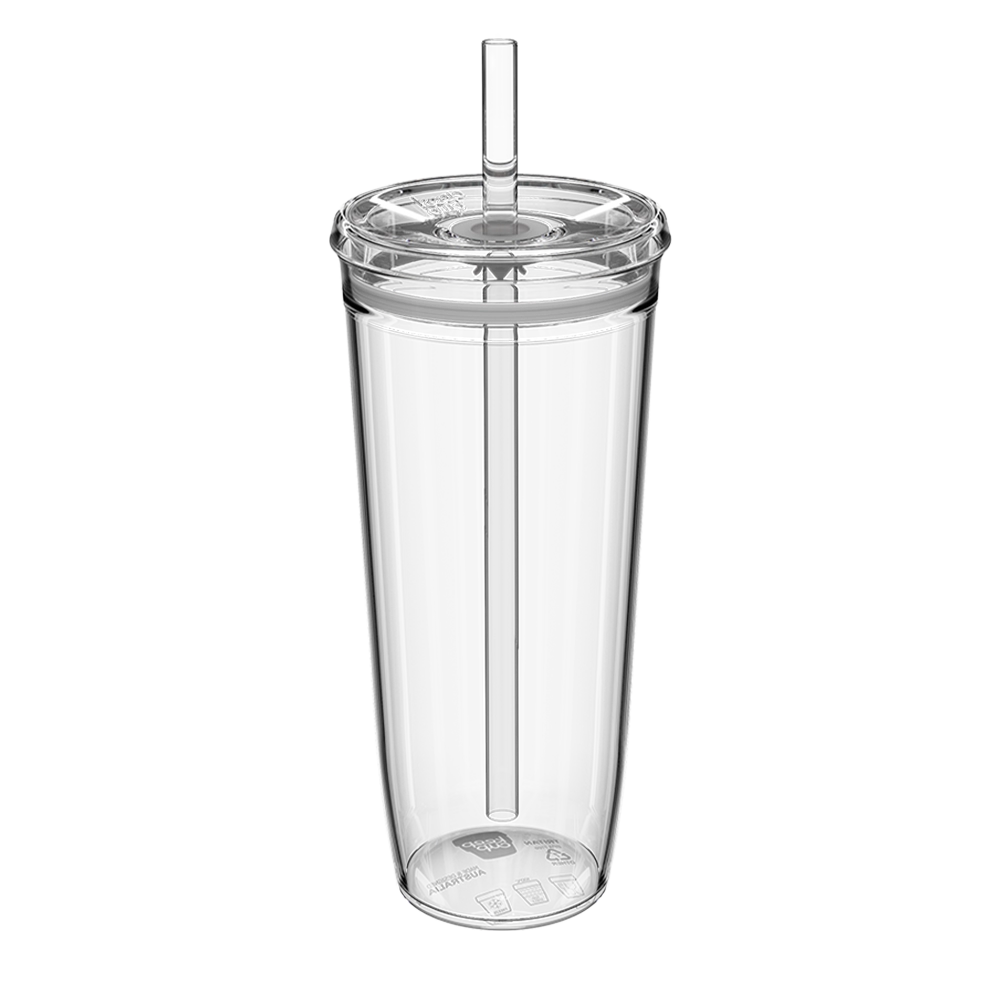
Cold Cup Original — The Everyday Cold Brew
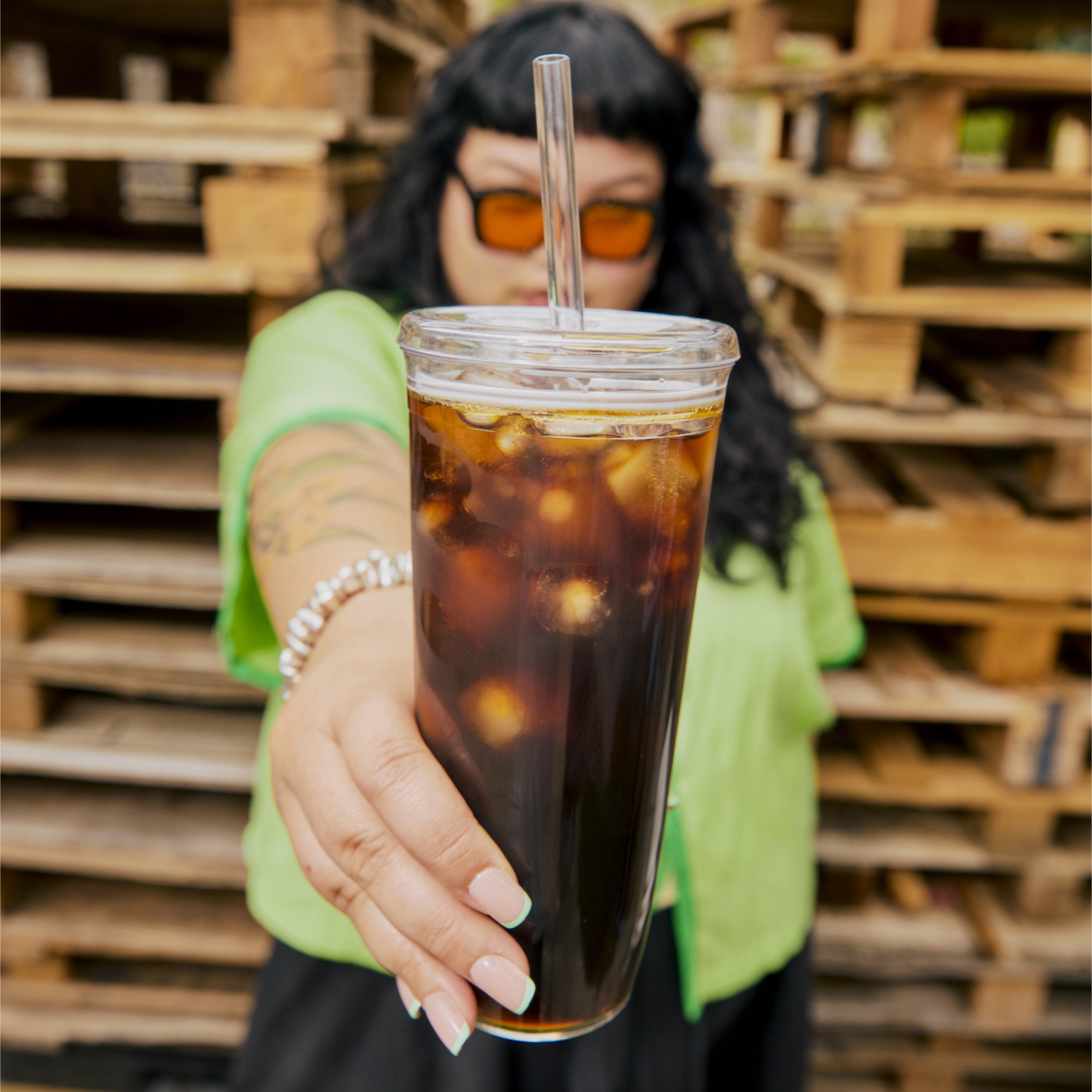
Lightweight, clear, BPA-free tritan. See the colour of your cold brew, carry it anywhere, not think twice about it. The spill-proof straw valve keeps it sealed for the commute. Three sizes to match the pour.
Not insulated — so drink it within a couple of hours or keep it cold before you go. For the daily cold brew drinker who wants the cup that just works.
Best for: Morning cold brew. The commute. The person who makes it the night before and grabs it on the way out.
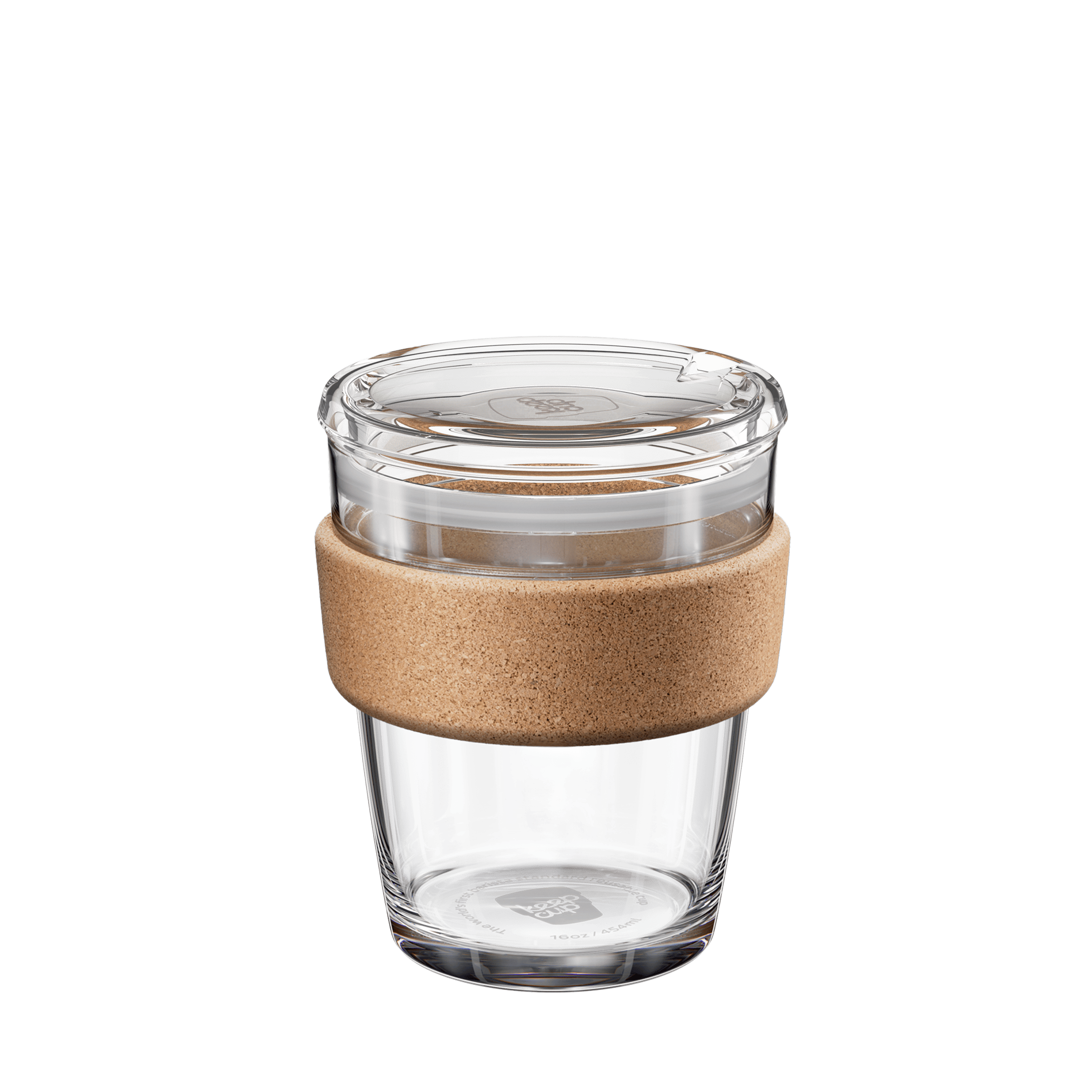
Cold Cup Longplay — The Slow Cold Brew
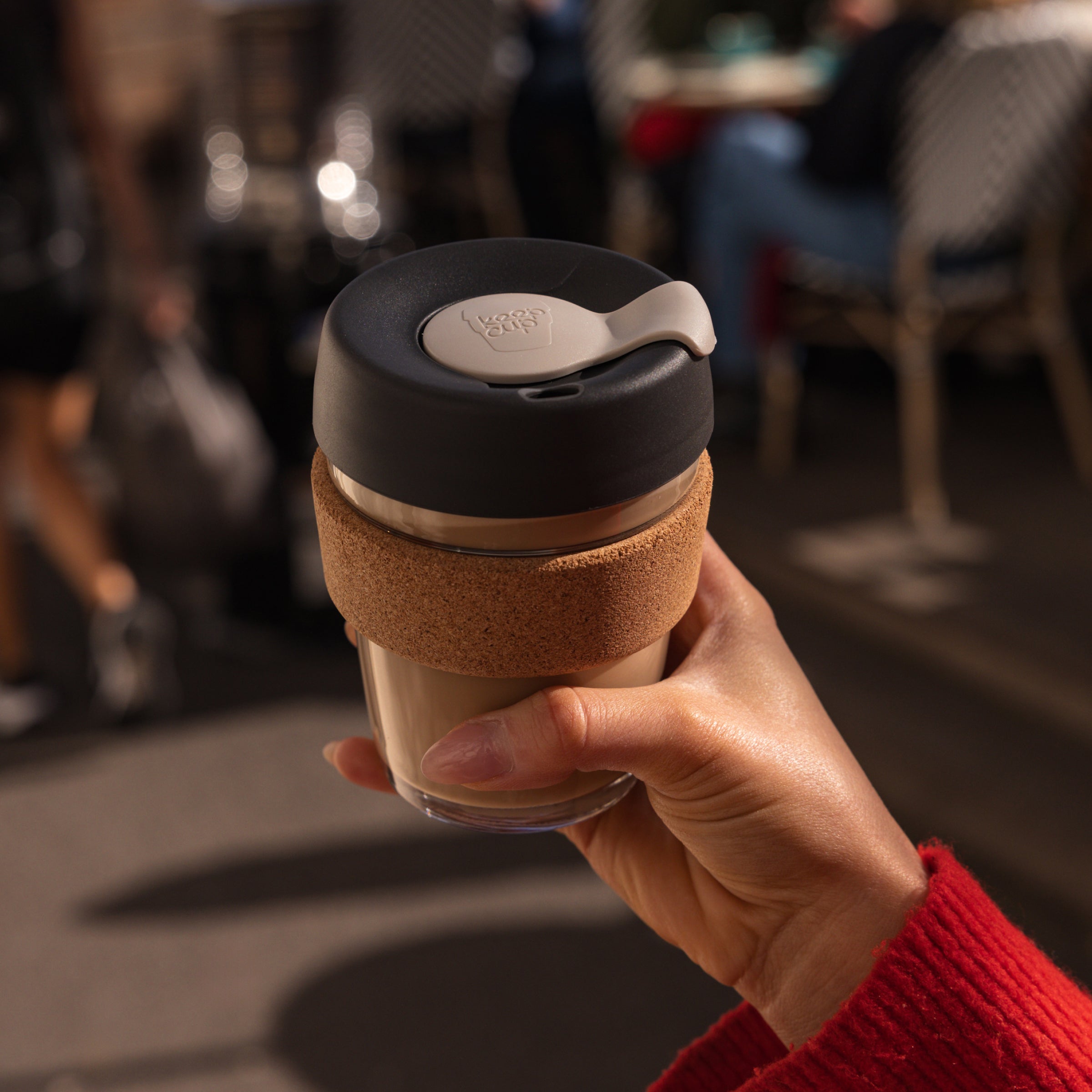
Tempered glass inner with a clear outer sleeve. The glass carries nothing forward — cold brew tastes like cold brew, not like the cup. The outer sleeve keeps condensation off your hand and the glass protected.
The wide straw handles cold brew concentrate over milk without resistance. The clear body means every layer is visible from the outside — which matters when the drink looks as good as it tastes.
Best for: Cold brew at the desk. Layered cold brew lattes. The unhurried morning or the long afternoon. Anyone who drinks slowly and deliberately.
Thermal Cold Cup — The All-Day Cold Brew
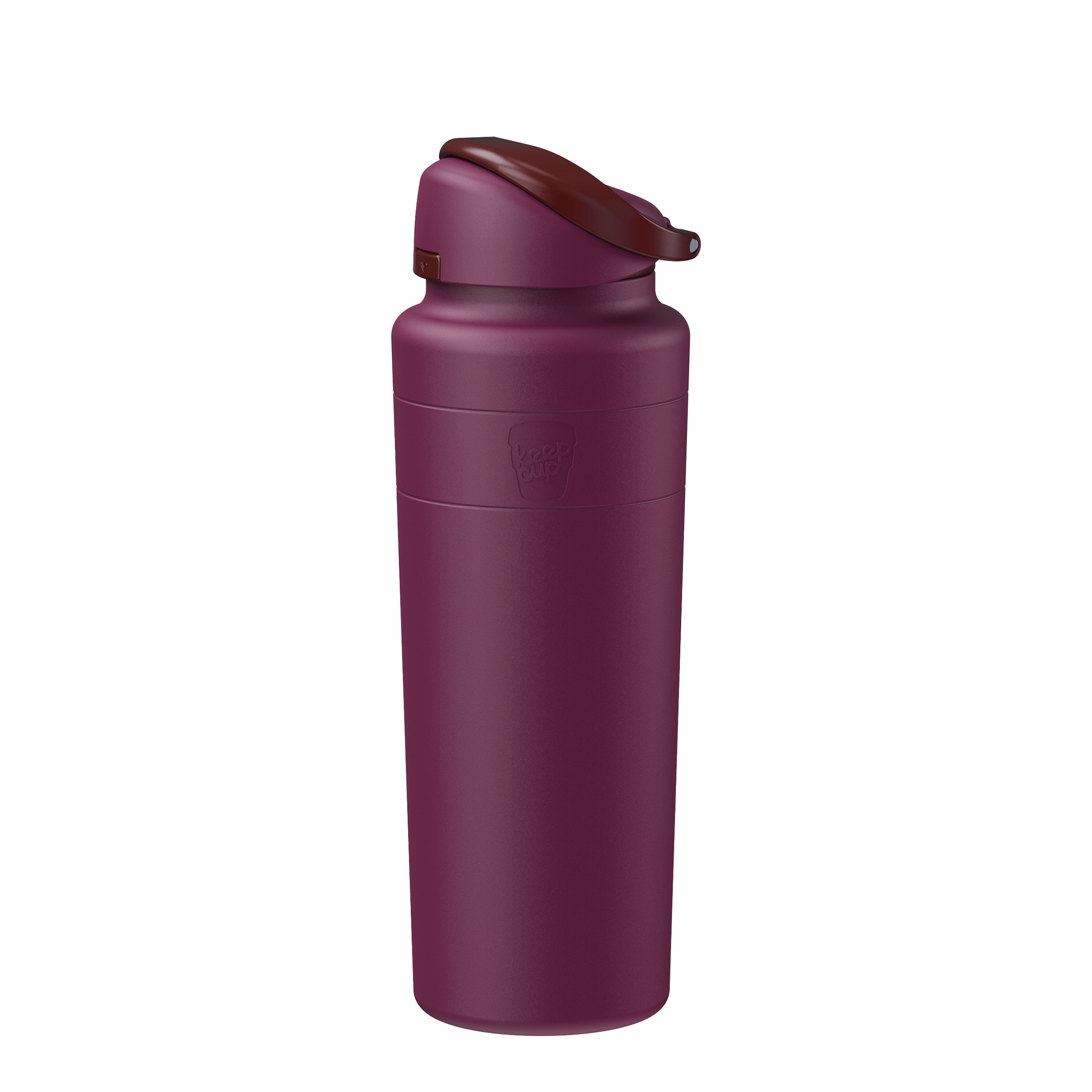
Double-wall vacuum insulated stainless steel. Cold brew at 8am is still cold at 3pm. No condensation, no temperature compromise, no rethinking.
The press-in clear lid shows the fill. The central straw handles the pour. Built for the long day when the cold brew needs to keep up.
Best for: The full working day. Long commutes. Anyone whose cold brew has ever been warm by lunchtime.
Commuter Cold Cup — The Sealed Cold Brew
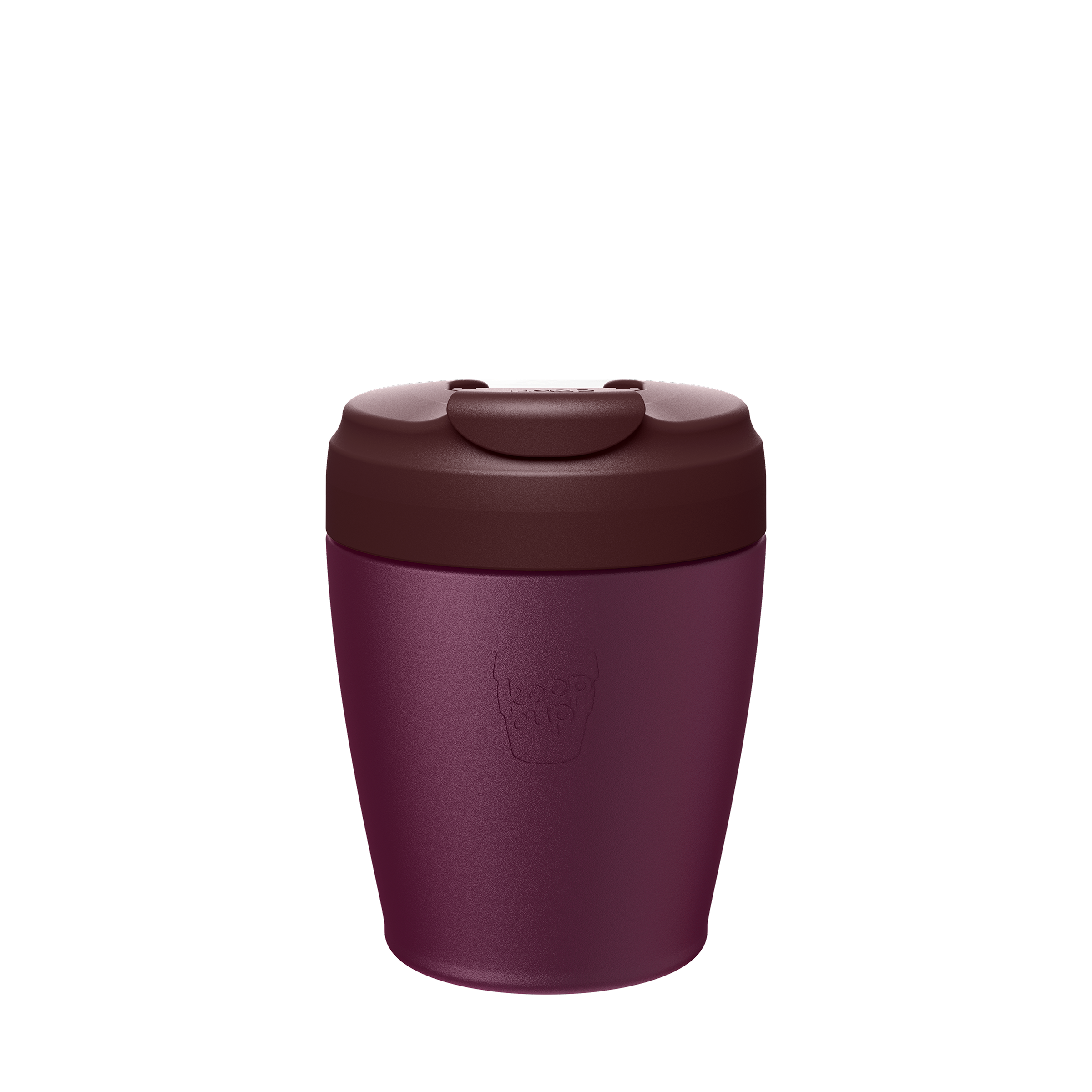
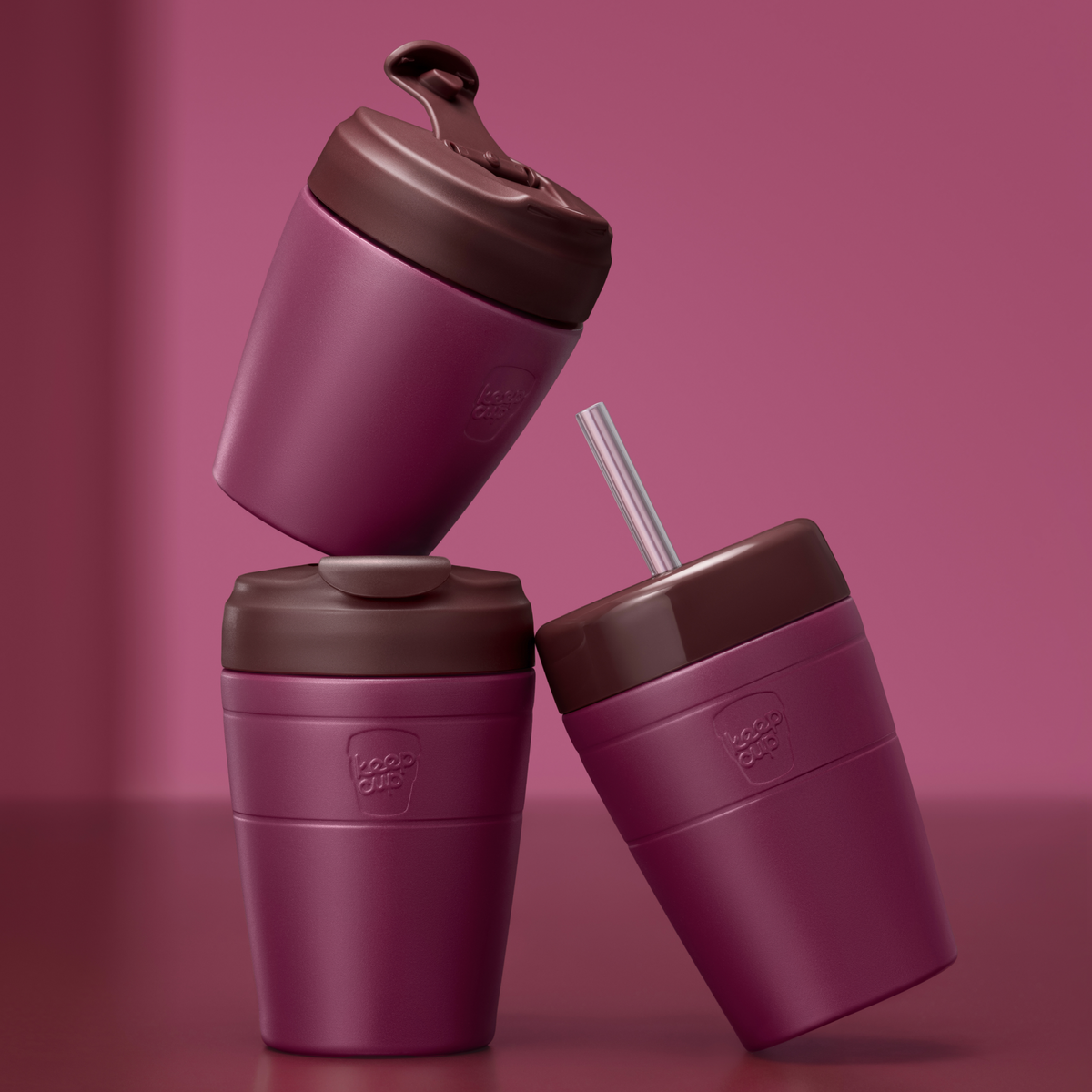
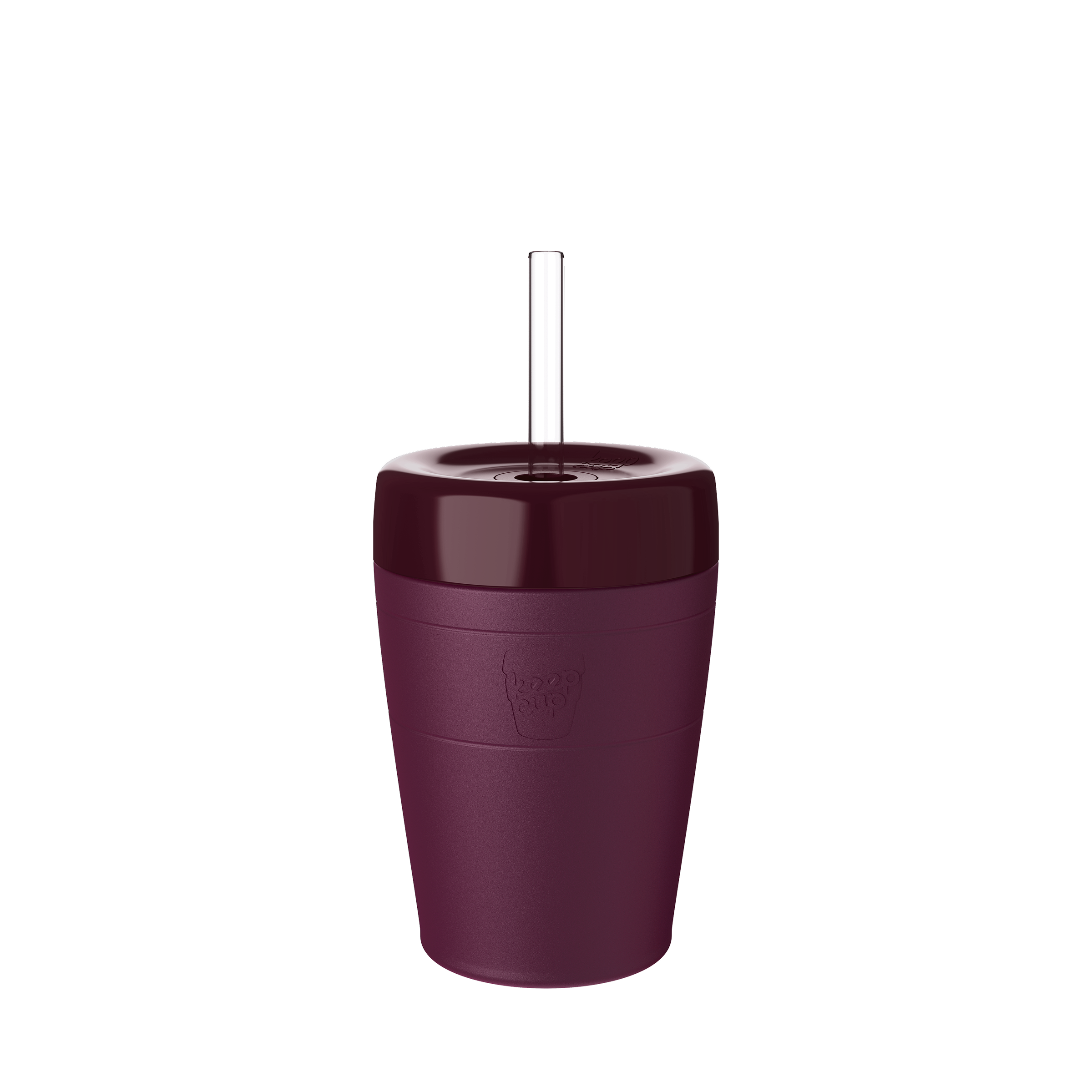
Fully insulated, fully sealed, screw-fit lid, built for the bag. The Commuter Cold Cup keeps the cold in and the condensation out — dry hands, dry bag, cold brew from the morning commute to wherever the afternoon lands.
The central straw has a spill-proof valve. The lid screws on and stays on. Cold brew that genuinely travels.
Best for: The packed bag. The train. The person who needs the cup completely sealed and doesn't want to think about it again.
How to Make Cold Brew at Home
What you need:
- 100g coarsely ground coffee
- 800ml cold filtered water
- A jar or jug
- A fine mesh strainer or paper filter
Method:
Combine coffee and water in a jar. Stir to saturate the grounds. Cover and refrigerate for 12–24 hours — longer for stronger. Strain through a fine mesh or paper filter until clear. Store the concentrate in the fridge for up to two weeks.
To drink: dilute 1:1 with cold water or cold milk over ice. Pour into your Cold Cup of choice.
The Quick Guide How you drink cold brew Reusable Straw Cup Daily, on the commute Cold Cup Original Slowly, at a desk or café Cold Cup Longplay All day, needs to stay cold Thermal Cold Cup Fully sealed, into the bag Commuter Cold Cup

The Best KeepCup for Matcha — And How to Make It Green
KeepCups Aren't Gonna Save Us