

It started in a Melbourne café with a simple idea: keep it and use it again.
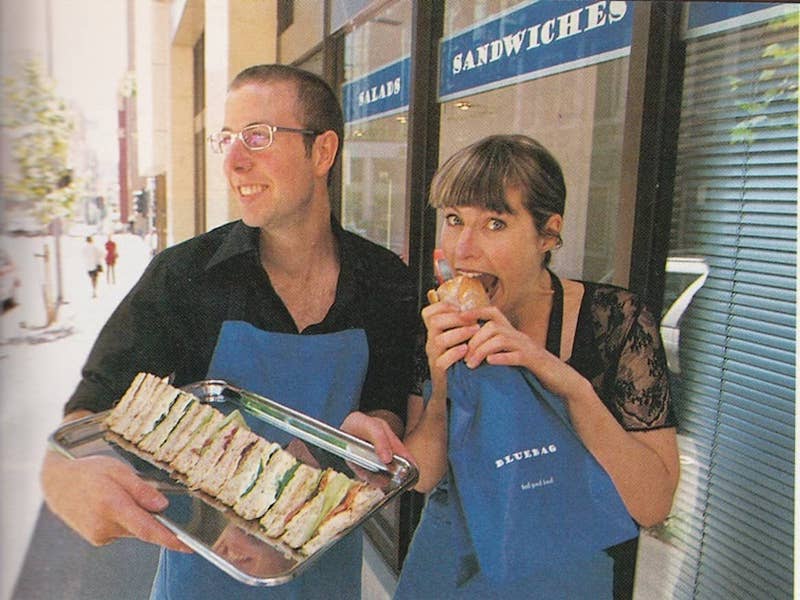
When siblings Abigail and Jamie Forsyth opened a café in Melbourne in 1998, disposable cups were entering the public landscape — the signifier of a busy professional life and a vibrant independent coffee scene. Convenient. Everywhere. And completely non-recyclable.
As their café business grew, so did their concern. Disposable cups are lined with polyethylene — that's what makes them liquid-proof, and also what makes them impossible to recycle. Millions of them, every day, going nowhere good.
The Problem With "Reusable"
By 2007, the alternatives weren't much better. Bulky thermoses. Wide-mouthed travel mugs that didn't fit under a group head. Lids that leaked. Vessels that tainted the taste of good coffee. Nothing that a specialty barista would willingly accept across their counter.
Following a successful trial of a reusable soup mug in their cafés, Abigail and Jamie made a decision: if the right reusable cup didn't exist, they'd build it.
Designing the World's First Barista-Standard Reusable Cup
The bet they made in 2007 was considered audacious at the time: that usability, considered manufacturing and design aesthetics could drive behaviour change — that people would choose to reuse, if the thing they were reusing was genuinely better than what they were throwing away.
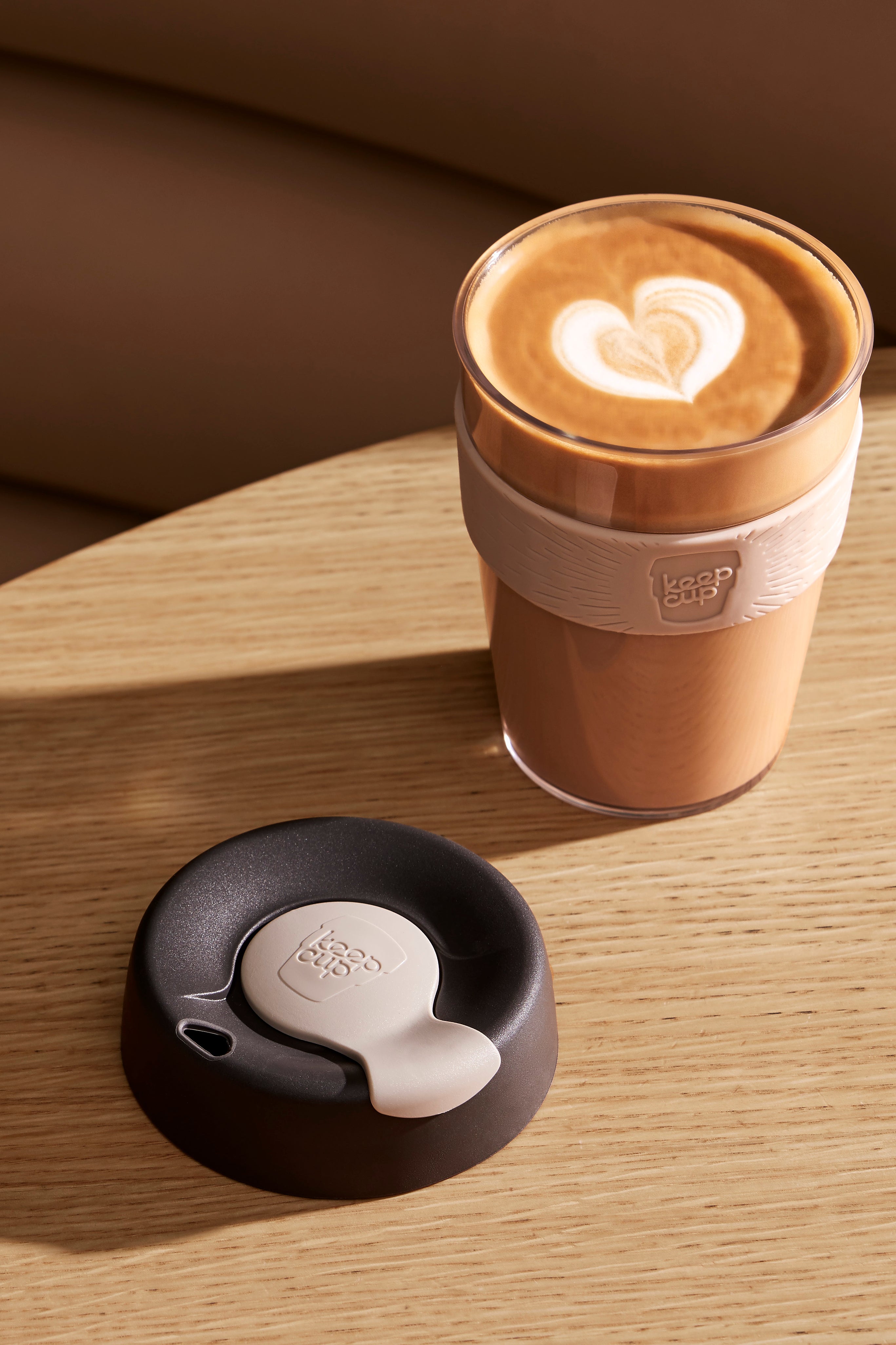
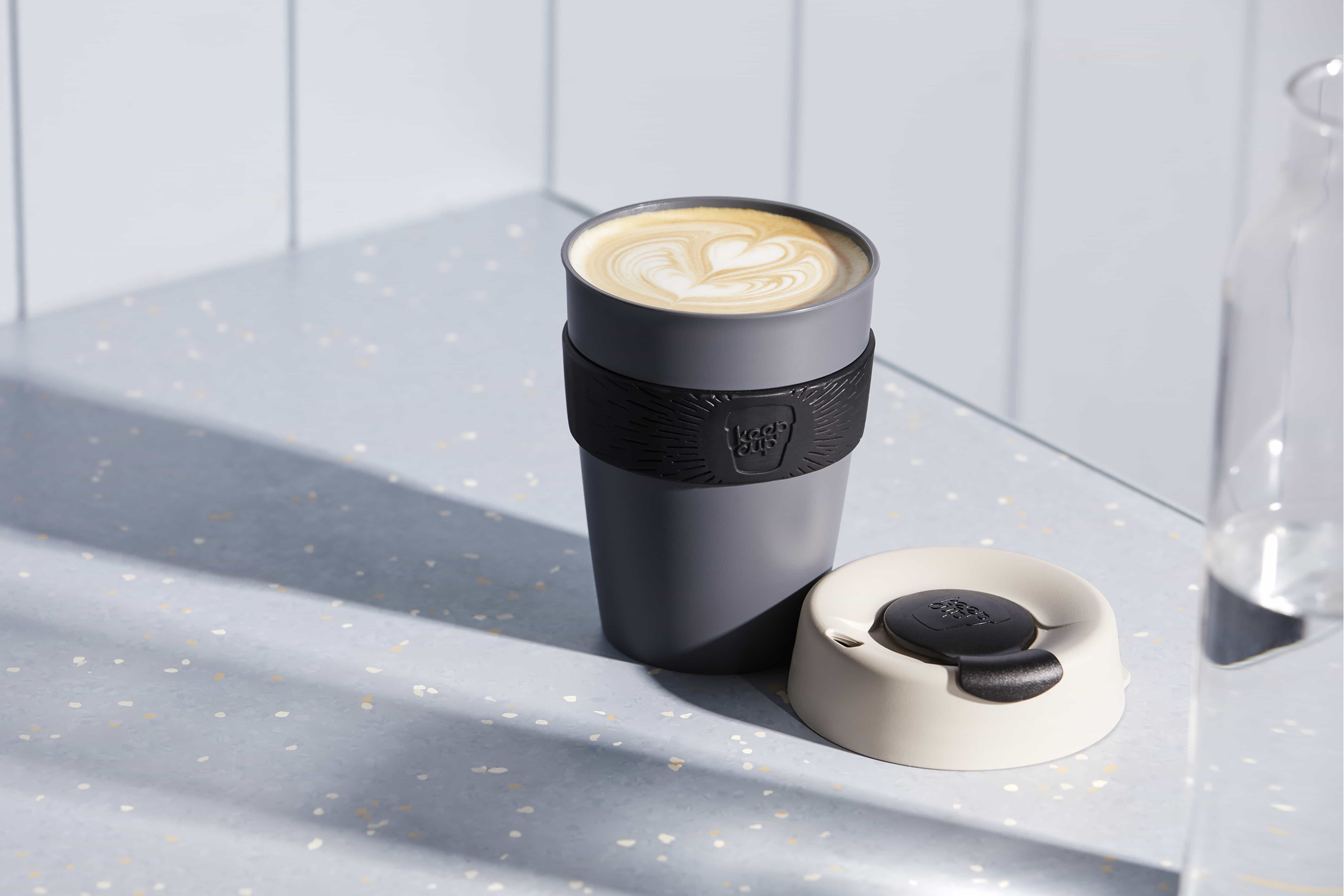
The Original KeepCup mimicked the form and function of a disposable cup, only built to last. Barista-standard sizing. A simple splashproof lid. Tactile, colourful, personal. Something you'd actually want on your desk.
The first KeepCups were sold in Melbourne in 2009 — at an independent design market, to coffee lovers who immediately recognised it as the solution to a problem they'd been quietly worrying about. The reuse movement grew from there: consumer-driven, café-endorsed, and unstoppable.
People purchase KeepCups because they love the way they look and feel, and continue to use them because they form a positive habit.
A Movement, Not Just a Product
KeepCup didn't just launch a product. It named a category, and ignited a global conversation about single-use culture.
For a while, carrying a KeepCup felt like being in a secret club — a nod between strangers that said I'm thinking about this too. That quiet movement became mainstream. And with mainstream adoption came greater responsibility.
Today, KeepCup is used in more than 75 countries. Every day, millions of reusers divert disposable cups from landfill. Their actions inspire others. The ripple effect of one small, considered object turns out to be extraordinary.
Reuse Expanded: From Cup to Collection
The original insight — that pleasure drives reuse — has guided everything we've built since.
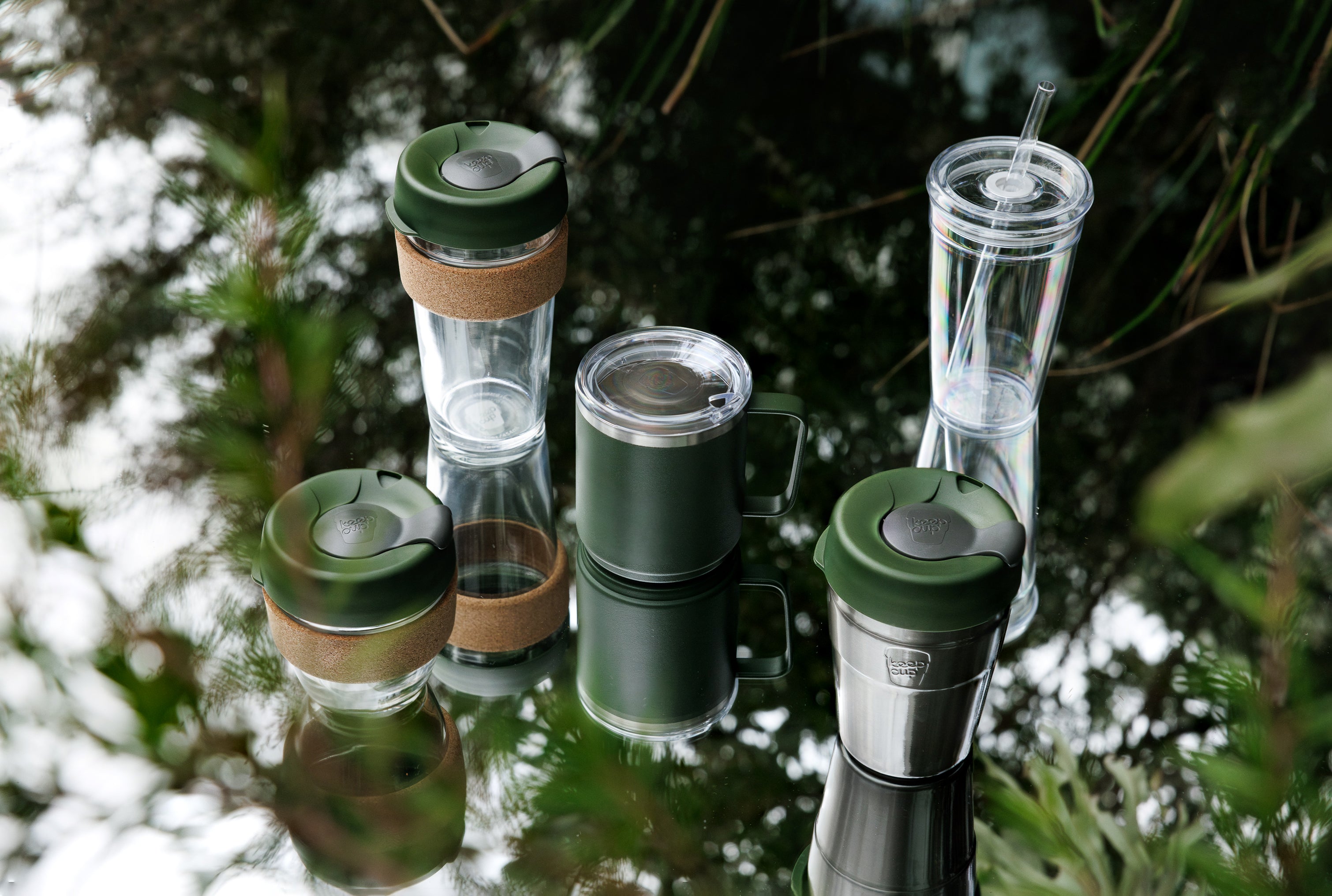
From the KeepCup Original in BPA-free plastic, to the taste-pure Brew Glass, the insulated Thermal and leakproof Commuter, to the natural warmth of the Brew Cork band and the stackable outdoor joy of the Camp Mug: every product in the range is designed to be the best version of itself, so that reaching for it becomes automatic.
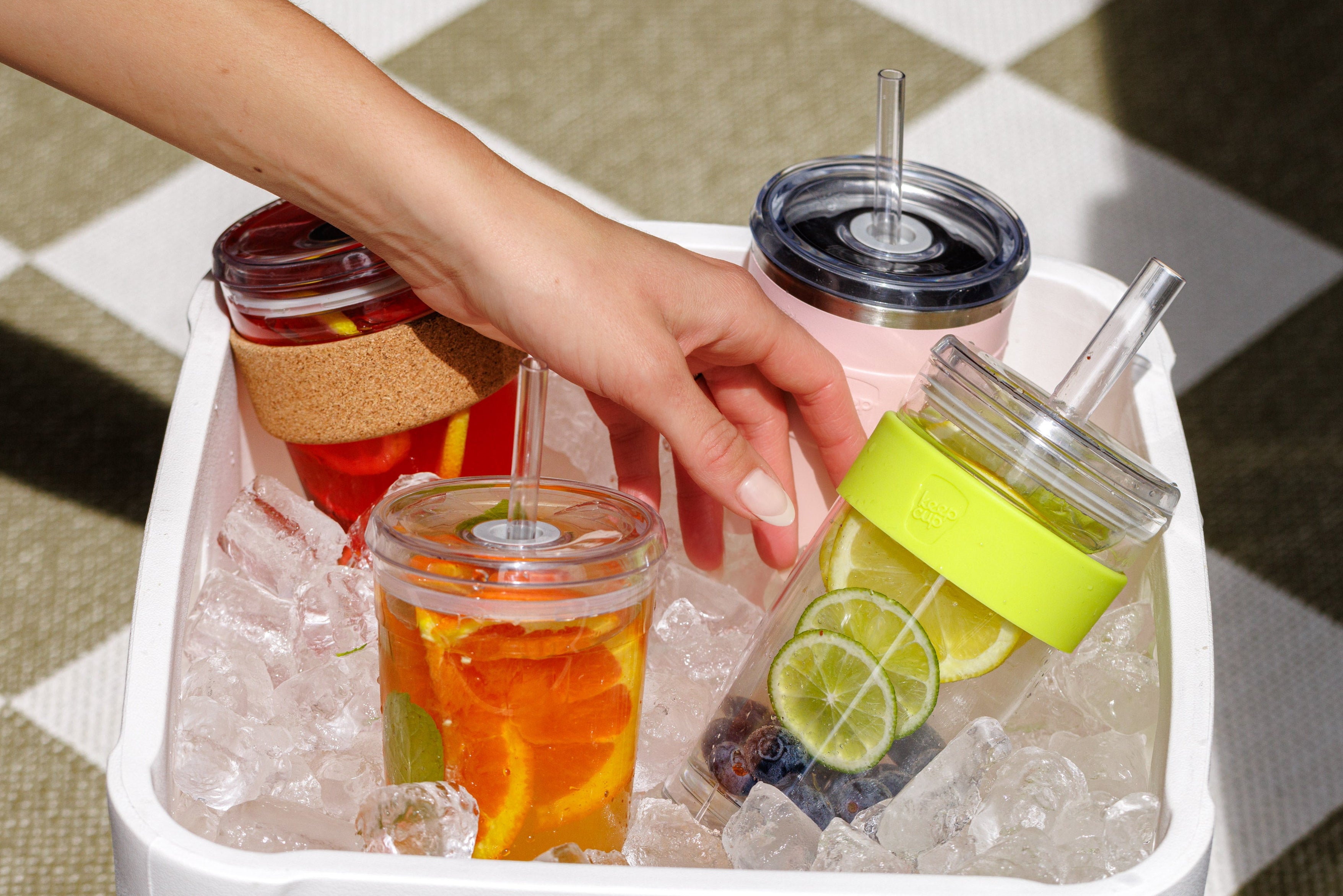
And for cold drinks and iced coffee, we built the KeepCup Cold Cup range — designed specifically for the way cold coffee is drunk, not just adapted from a hot cup. Choose from the clear Cold Cup in BPA-free plastic, the double-wall Longplay Glass, the insulated Cold Thermal with press-fit lid, the Cold Commuter with screw-fit lid, or the tactile Cold Brew Cork — each one purpose-built to keep your cold drink cold, and your iced coffee exactly as it should be.
Now we're bringing that same philosophy to two new categories:
The KeepCup Go Bowl — reusable eating, with the same considered design and material quality that redefined the coffee cup. Because food packaging is the next frontier.
The KeepCup Water Bottle — launching 14 April 2026. The team that invented the world's first barista-standard reusable cup turns its attention to hydration. Built to the same standard. Designed to the same philosophy. Worth the wait.
Our Commitments
We believe sustainability has to be honest to mean anything. We are a certified B Corporation. We manufacture and assemble locally, using recycled and recovered materials where possible. Our packaging takes a lightweight cardboard-first approach — because the thinking has to extend beyond the product itself. We publish our lifecycle assessments — the numbers, not just the narrative. We sell spare parts, because replacing a lid shouldn't mean replacing a cup. We give 1% of revenue to not-for-profits protecting the environment and natural world. And since 2009, over one billion disposable cups have been diverted from landfill.
You Are a Changemaker
People buy KeepCup because they love the way it looks and feels. They keep using it because it becomes a habit, and for many, it becomes the beginning of a longer journey toward more intentional living.
The things you carry, the choices you make, the habits you build, they chart a course. Not just for you.
KeepCup. Make it yours.
Founded in Melbourne, 2009. Used in 75+ countries. Still independently owned. Shop the range →
KeepCup: then to now
1998
Abigail & Jamie found Bluebag cafes
2009
KeepCup launches the first barista standard reusable cup
2013
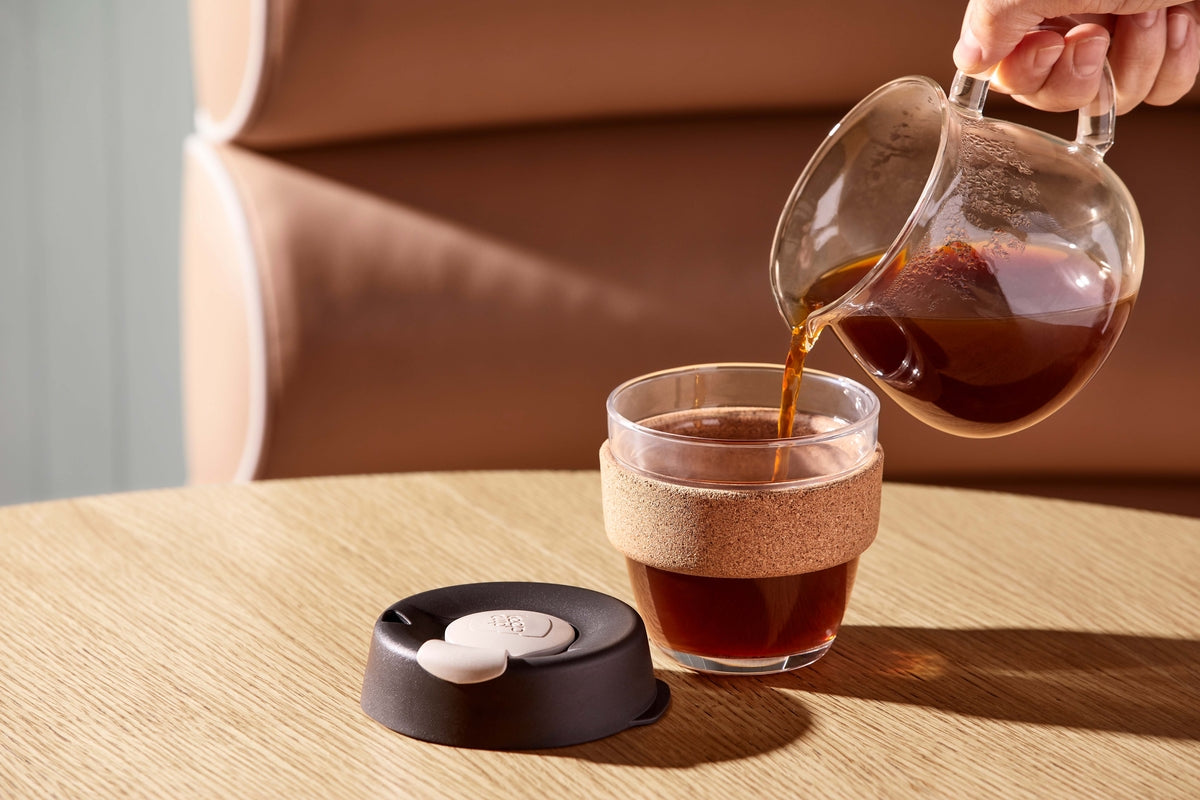
Brew Cork glass range launches
2014
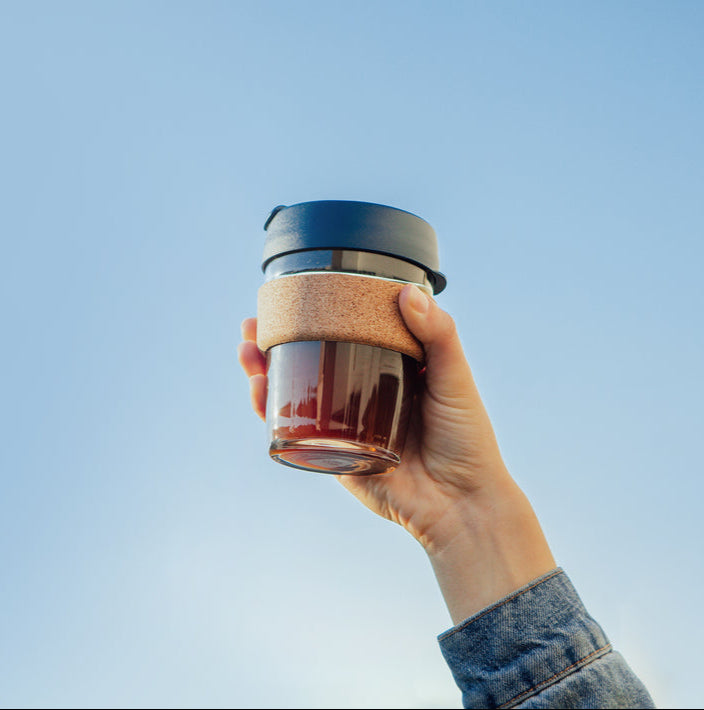
KeepCup becomes founding member of BCorp in Australia
2018
Key events
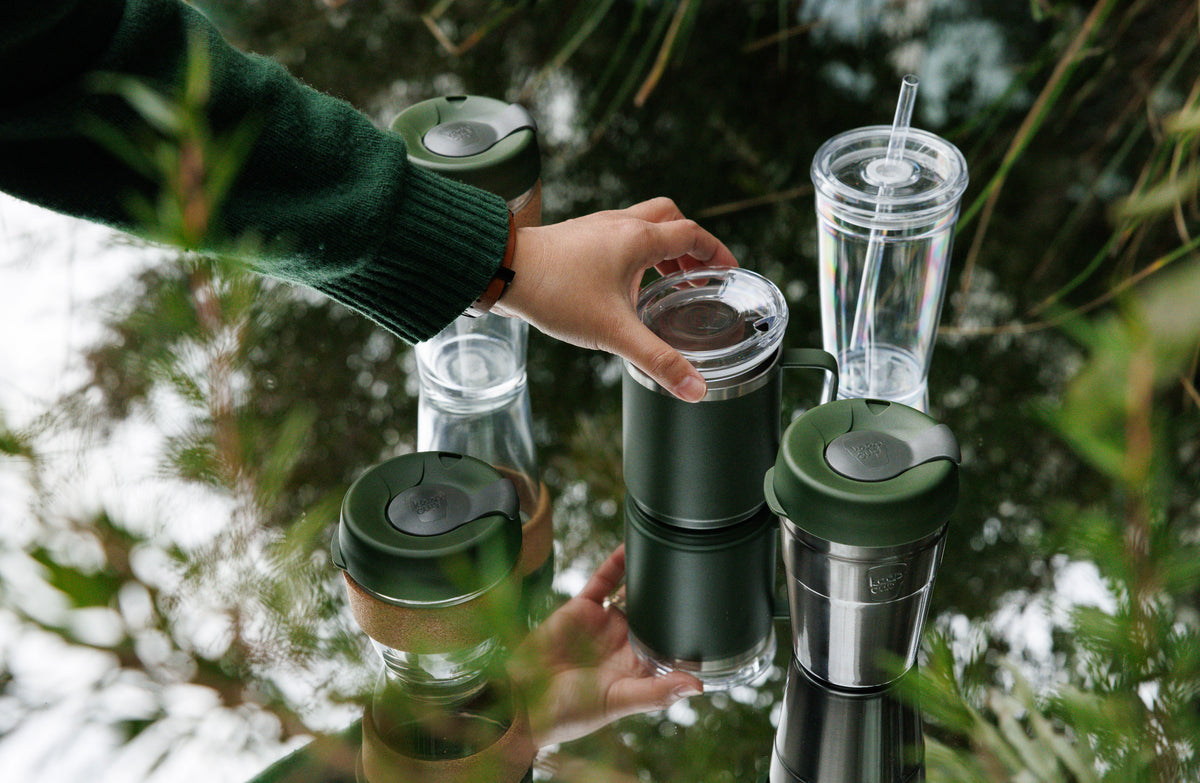
- Single-use word of the year in Collins Dictionary
- KeepCup publishes LCA
- KeepCup becomes member of 1% for the Planet
2020
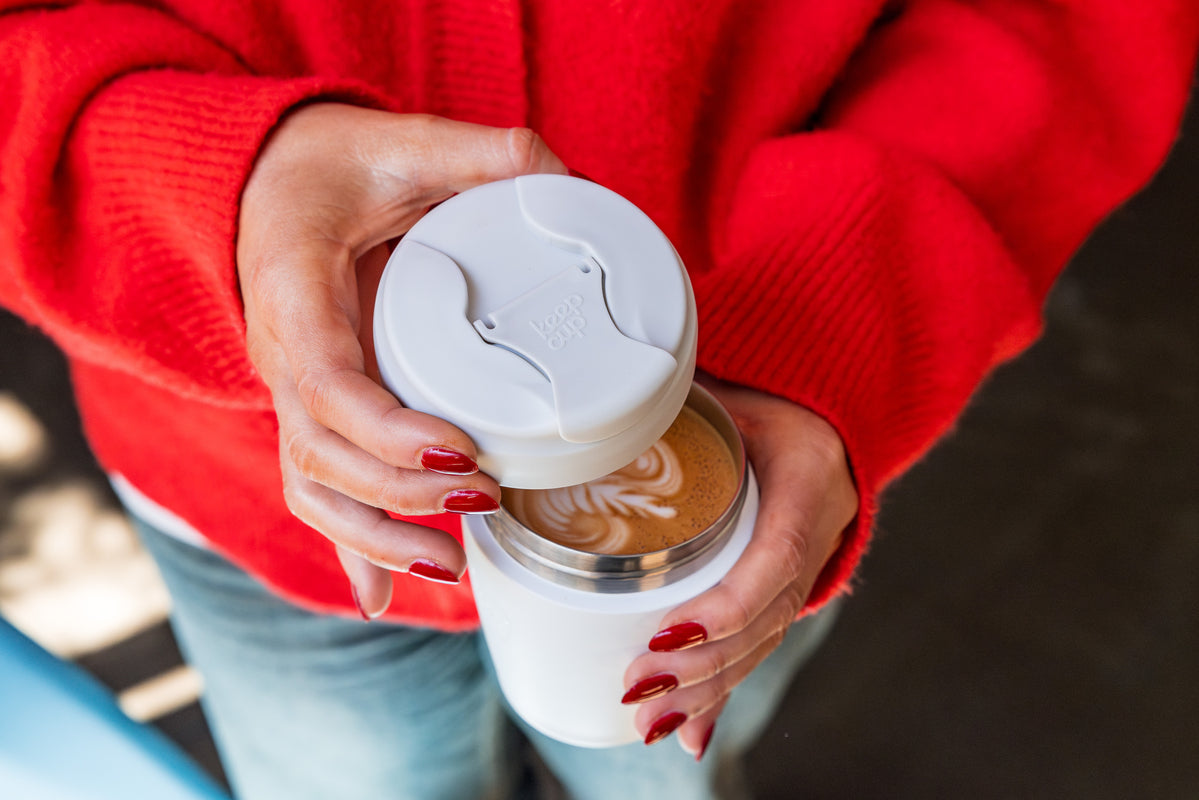
Insulated stainless steel range launches - Thermal, then Helix
2023
Cold Cup Range Launch
2025
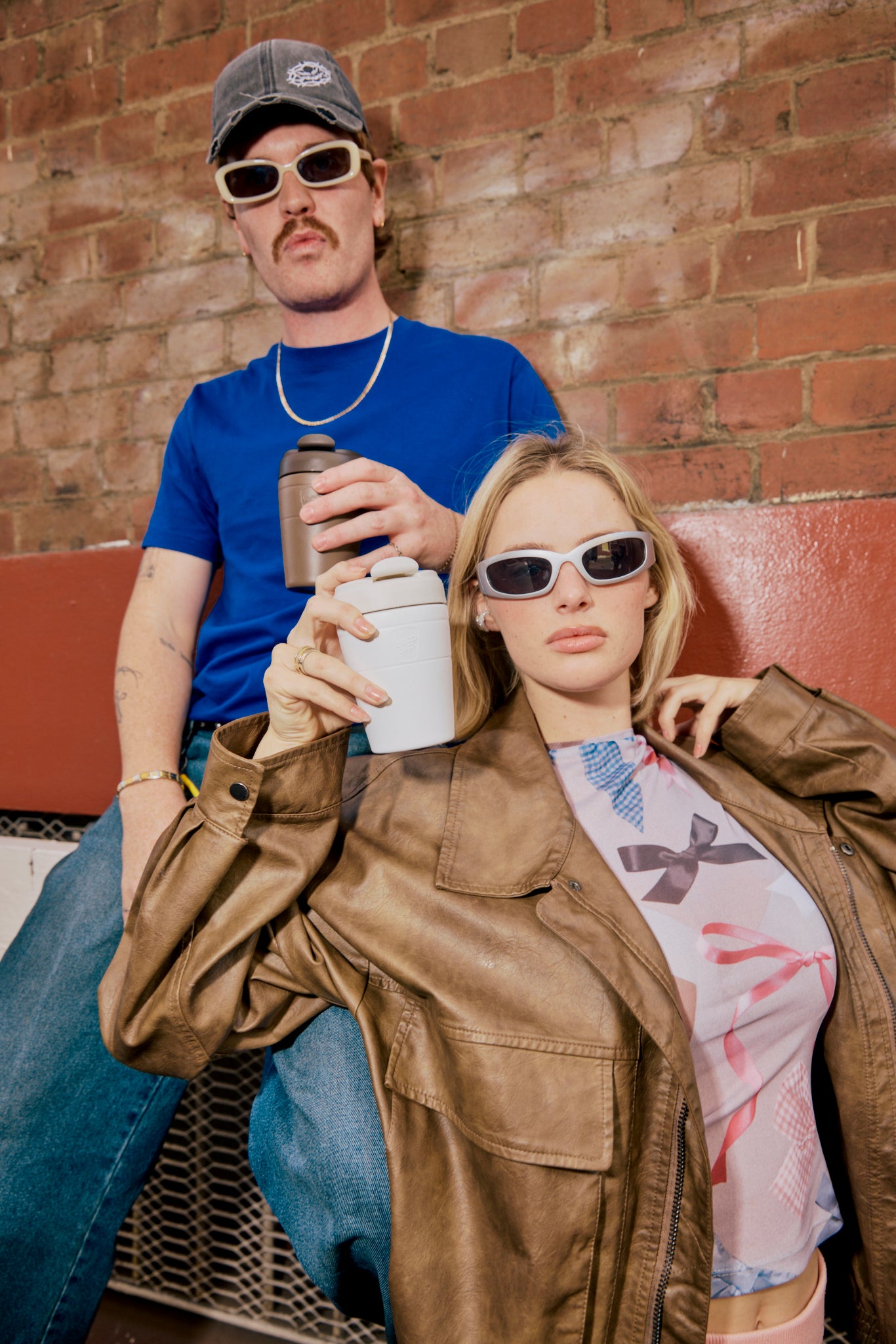
Commuter Travel Mug Launch
Individual action drives change
Never doubt that a small group of committed citizens can change the world: indeed it’s the only thing that ever has.
Margaret Mead, Cultural Anthropologist
KeepCup and the reuse movement has been built from the bottom up, inspiring individuals to make everyday change. From the very beginning we have sought to inspire change by making it fun, inclusive and easy. For many people KeepCup is the beginning of a journey, to consider the impact of single-use, and new ways to lighten our impact on the planet. It all counts.
Our society, and our workplaces are collections of individuals. We are a business built on the advocacy of individual users. We are at our best when we arrive at decisions that consider all perspectives and look forward with optimism and authenticity.
When we consider the financial backing and deep pockets of the single-use industry, what we have achieved together is extraordinary. Let’s keep going.
2020 a turning point
As a society we’re at a critical juncture, sliding over the precipice. We’re in a climate emergency, on track to 4–6 °C temperature rise when we need to limit warming to 1.5°C.
In the wake of Covid-19 the world is likely to reduce emissions by 5% in 2020, but this only underscores the scale of the problem - at least 45% reduction in annual emissions is required to stay below 1.5°C.
Single-use plastics accelerate climate change and jeopardise progress toward the Paris climate agreement. In 2015, the last published count, 148 million tonnes of single-use packaging was produced in the world, less than 9% was recycled and up to 12% of it burned - compounding emissions impact.
Let’s debunk two myths.
Myth 1: Single-use equals sterile
This basic misunderstanding of food safety has again gained traction during Covid-19, despite medical professionals the world over coming out in support of reuse. When KeepCup first launched, this misunderstanding of food safety was such a barrier to reuse that we got a letter of legal advice to share with cafes confirming that reusables are supported by the health and safety regulations and a letter from then Victorian Premier John Brumby, endorsing KeepCup and the positive impacts of reuse on our health and the environment.
Myth 2: Convenience culture is consumer driven
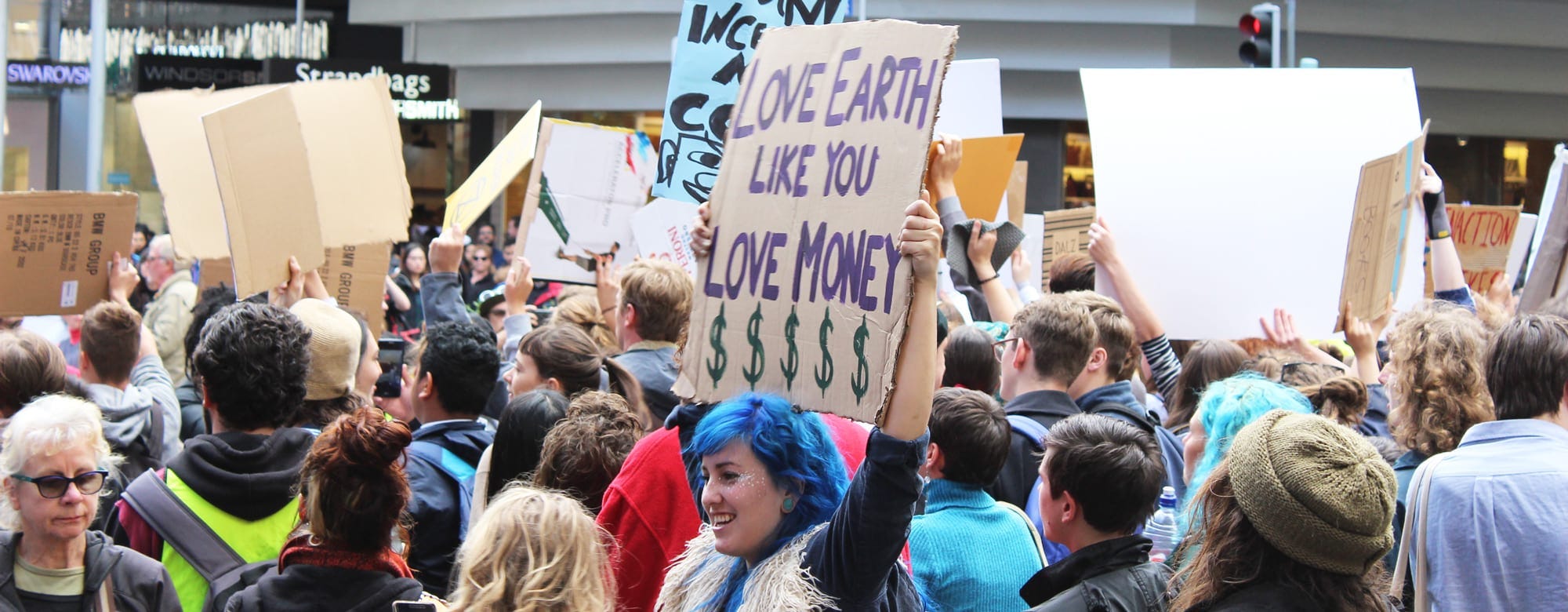
This myth is perpetuated by Big Plastic and the large corporates responsible for much of the world’s single-use packaging waste, who claim to “just be giving customers what they want.” In ten years, the activism of individuals and organisations has demonstrated that convenience at the cost of the planet is not actually what people want - we want better choices.
Our Future
Thinking beyond growth
Covid-19 provides unparalleled opportunity to pivot to a post growth economy. This won’t happen via business as usual with the odd tweak here and there. This is transformational change. This is about circular systems that remove waste and keep materials in play for as long as possible. It’s about behaviour change, a reversal of hyper consumption to refocus on reducing, reusing and repairing. It’s a shift to 100% renewable energy. It’s about protecting biodiversity and committing to leave the few remaining wild places protected. And it’s all interconnected. We view our role in this through the four lenses below.
Financial
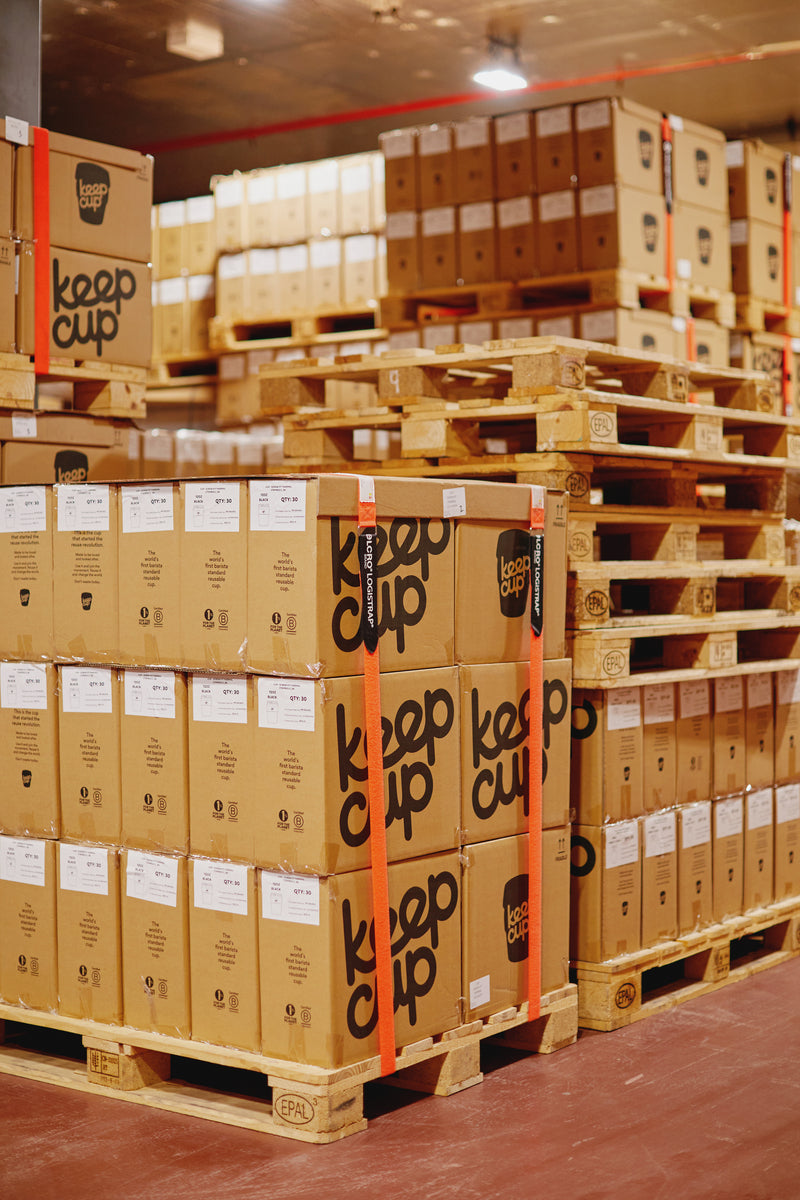
We maintain independence and a healthy balance sheet. Financial success amplifies our voice to drive the change we want to see in the world. But we don’t see profit or growth alone as an adequate measure of impact and value.
Our team
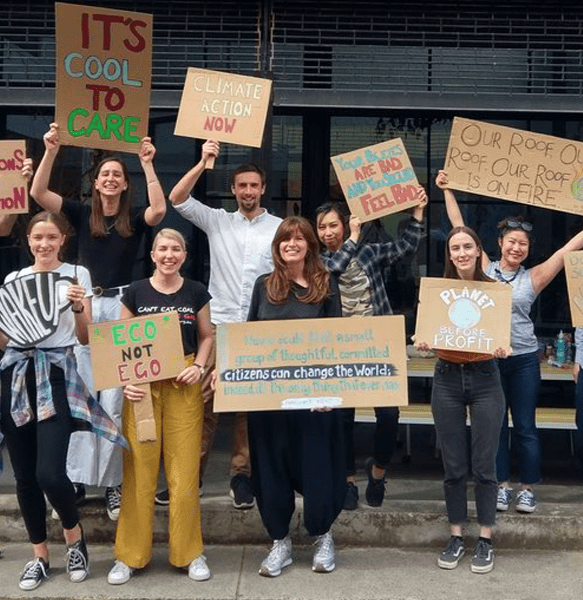
We work to ensure that our internal business practice reflects our values and our ethos. Whether it be the office fit out, how we share lunch, how we treat one another, how we speak to our customers and suppliers – we are shaping the world.

Environment
Environment and community cannot be separated from business performance. We look deeply into our impact on customers, suppliers, our team, community and the environment. The more consistent and aligned we are across these stakeholder groups the greater resonance we have in impacting meaningful change.
Design
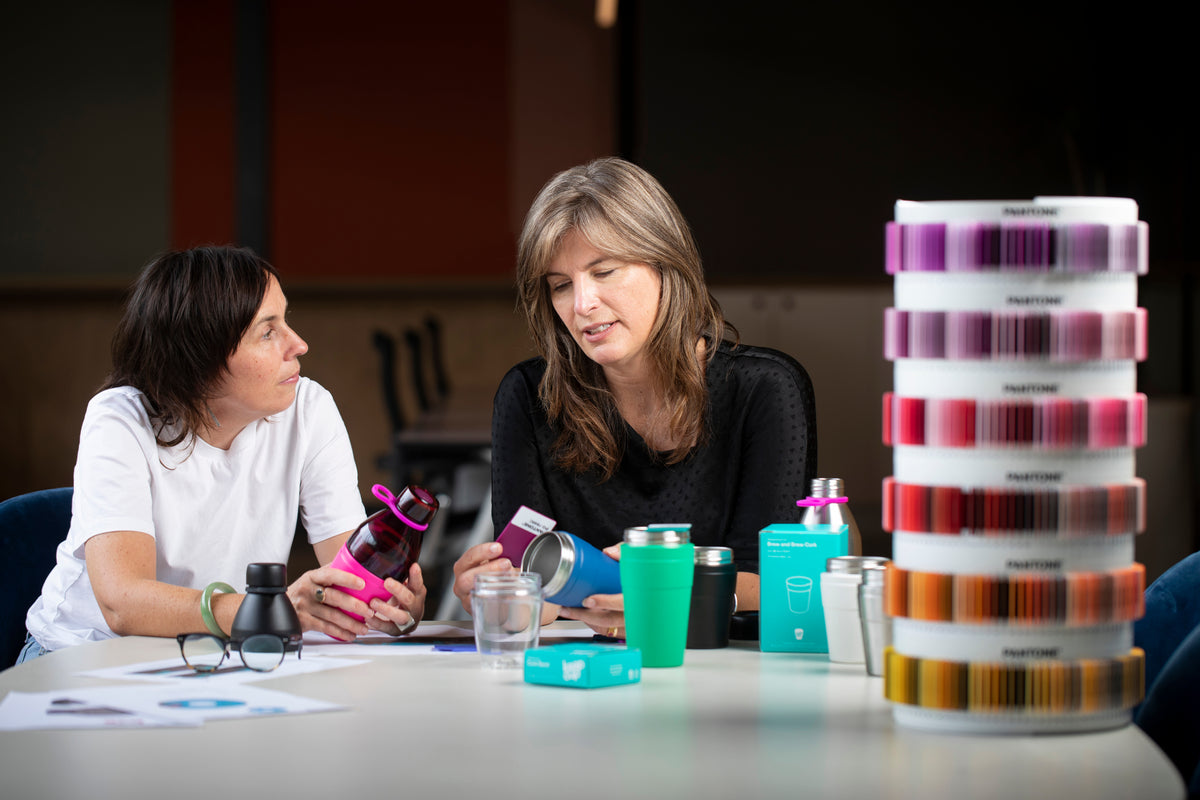
Using design to help solve problems. We design products that are fit for purpose. We think long and hard about product development and seek to create products that replace single-use items, maximise positive impact while minimising negative throughout their lifecycle.