

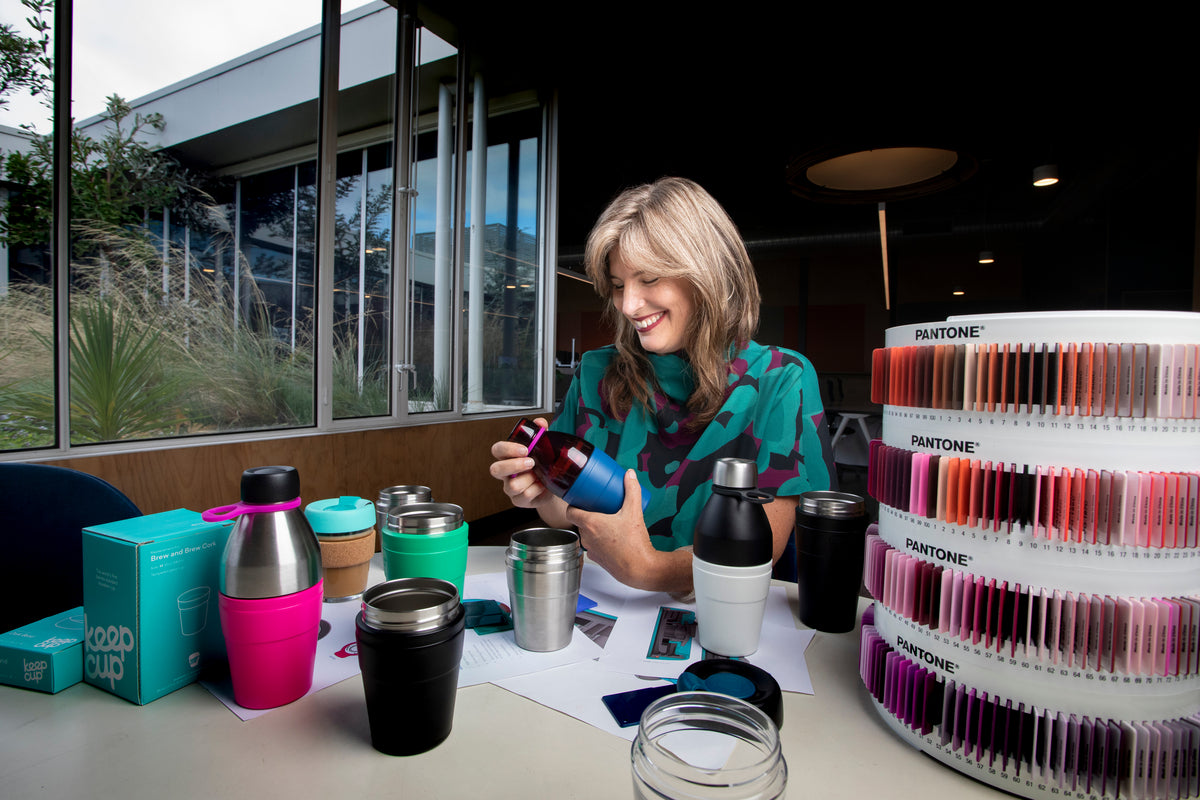
When KeepCup first launched in 2009 with the mission to eradicate single-use cups, the only alternatives were ceramic mugs and bulky thermoses. The poor usability and aesthetics of these products were barriers for customers and cafes to adopt reusable cups for espresso coffee.
With our bright, bold designs and experience in busy café service environments, we crafted a product for both the coffee machine and the coffee drinker – and with it, we launched a new category of reusable that continues to inspire millions of people around the world to discover and deepen their commitment to reuse.
The world's first barista standard reusable cup
Barista standard is a shortcut to describe the design considerations that have gone into creating a product that works for users and baristas.
KeepCup is widely accepted and endorsed by the specialty coffee industry because our design carefully considers busy café environments and reflects disposable cup volumes. Whether you’re an espresso, latte or long black drinker, there is a KeepCup size to match.
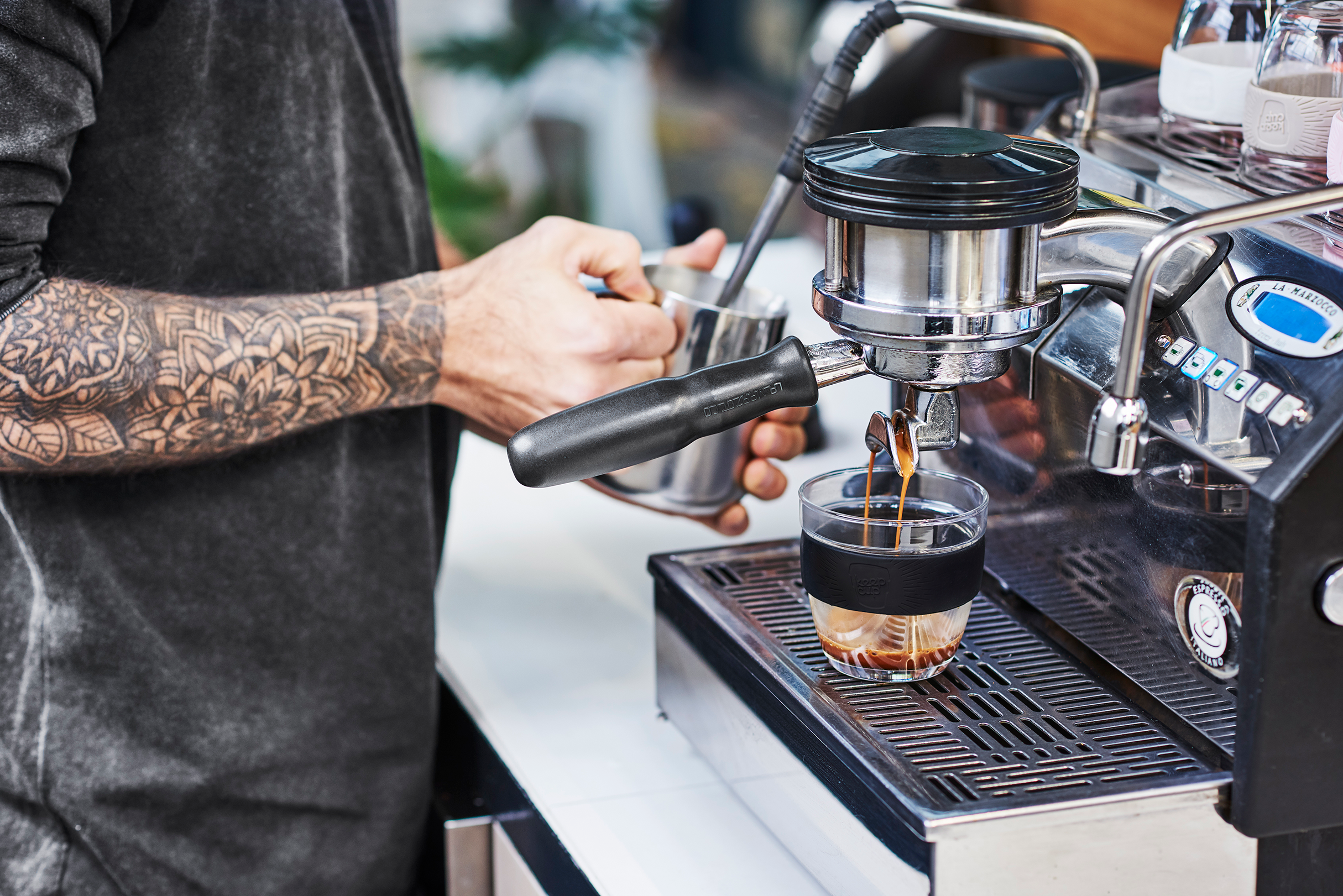
Fits under group heads
All KeepCups, except our largest 16oz|454ml size, fit under coffee machine group heads. This means business as usual for baristas, no need to transfer the coffee from one cup to another, keeping the extraction and crema intact.
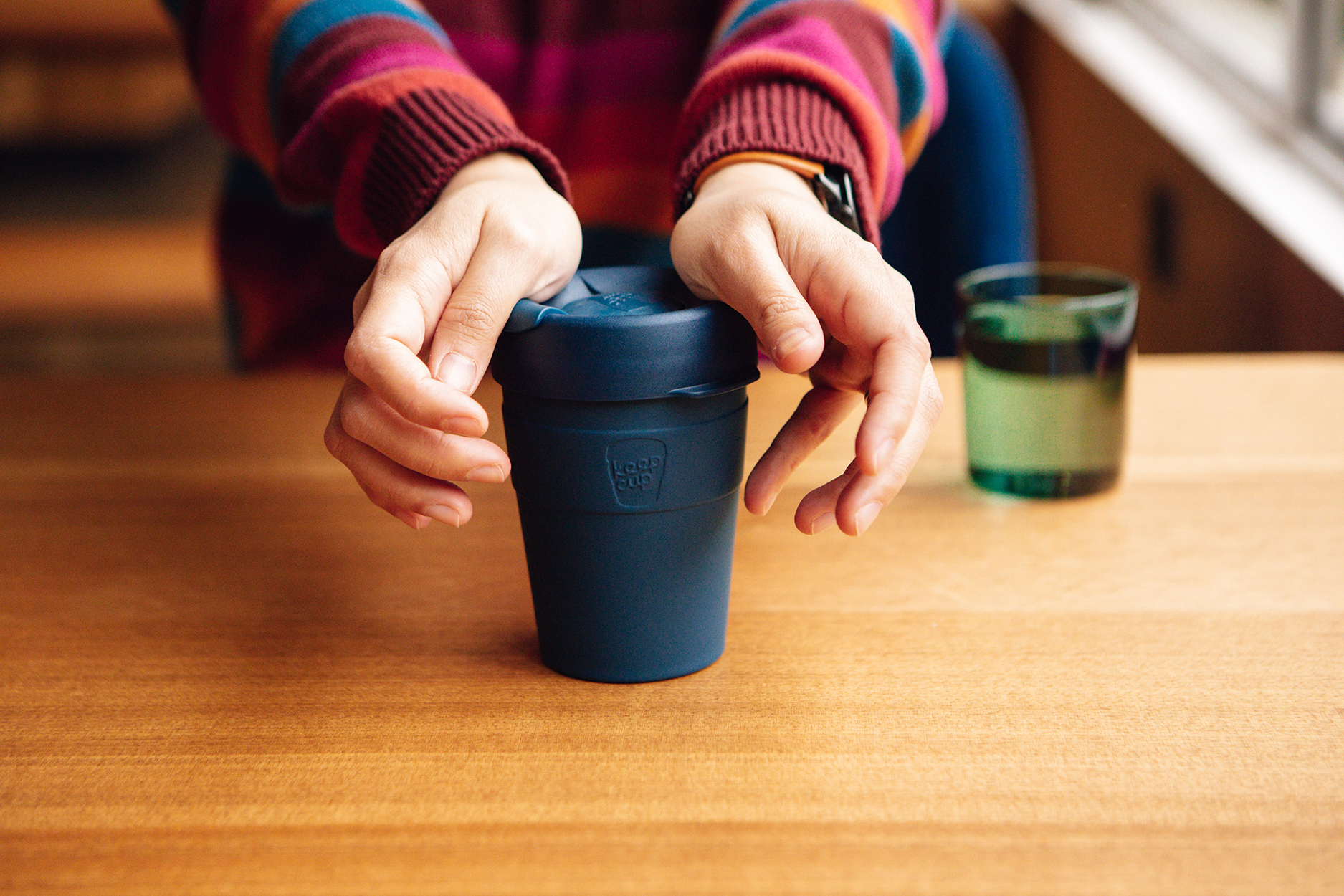
Press fit lid
Our firm lids are easy to press on - designed for busy service environments and drinking pleasure on the go.
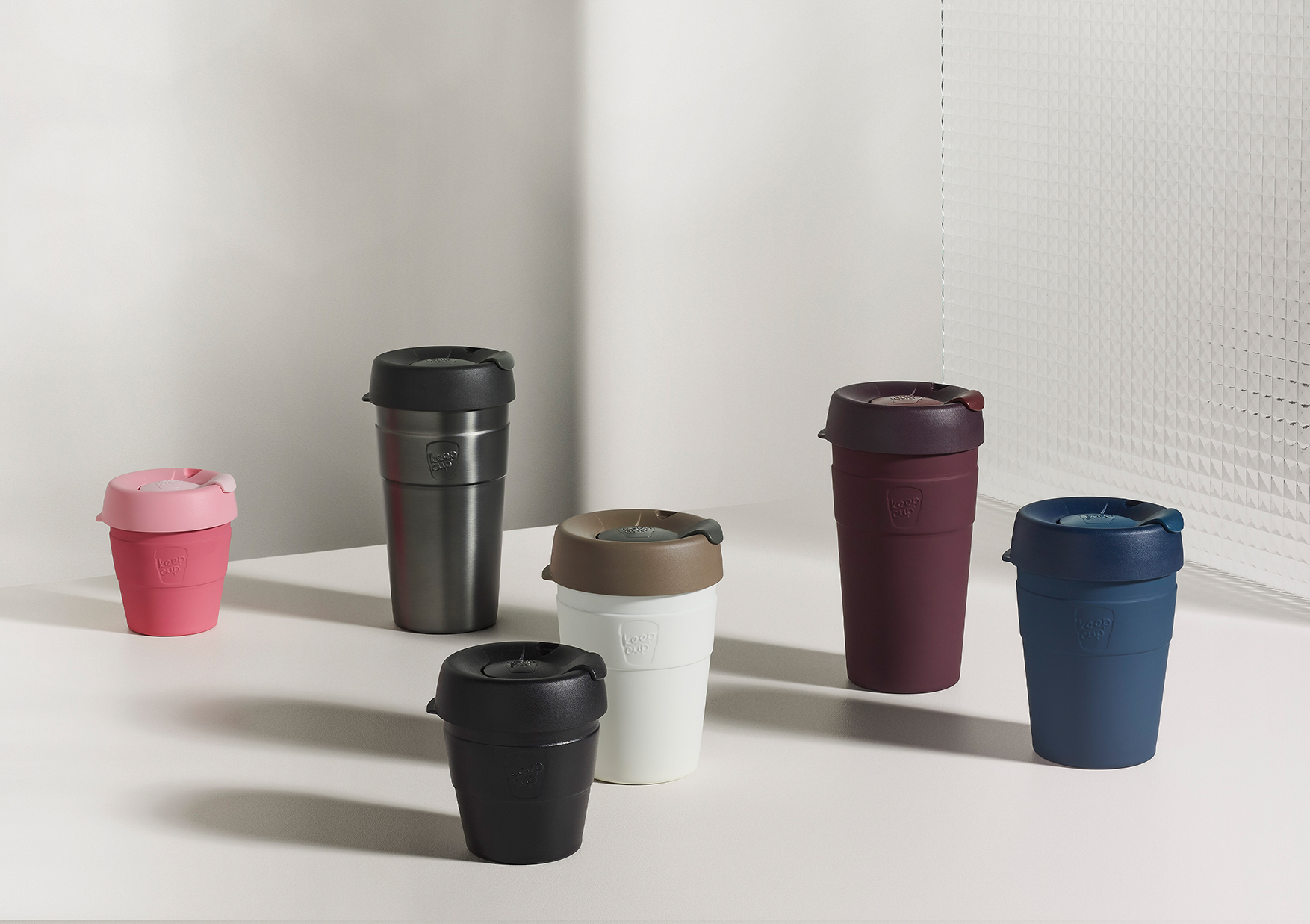
Industry standard volumes
Internal volumes replicate single-use cups so baristas know which size to serve and the correct coffee-to-milk ratio.
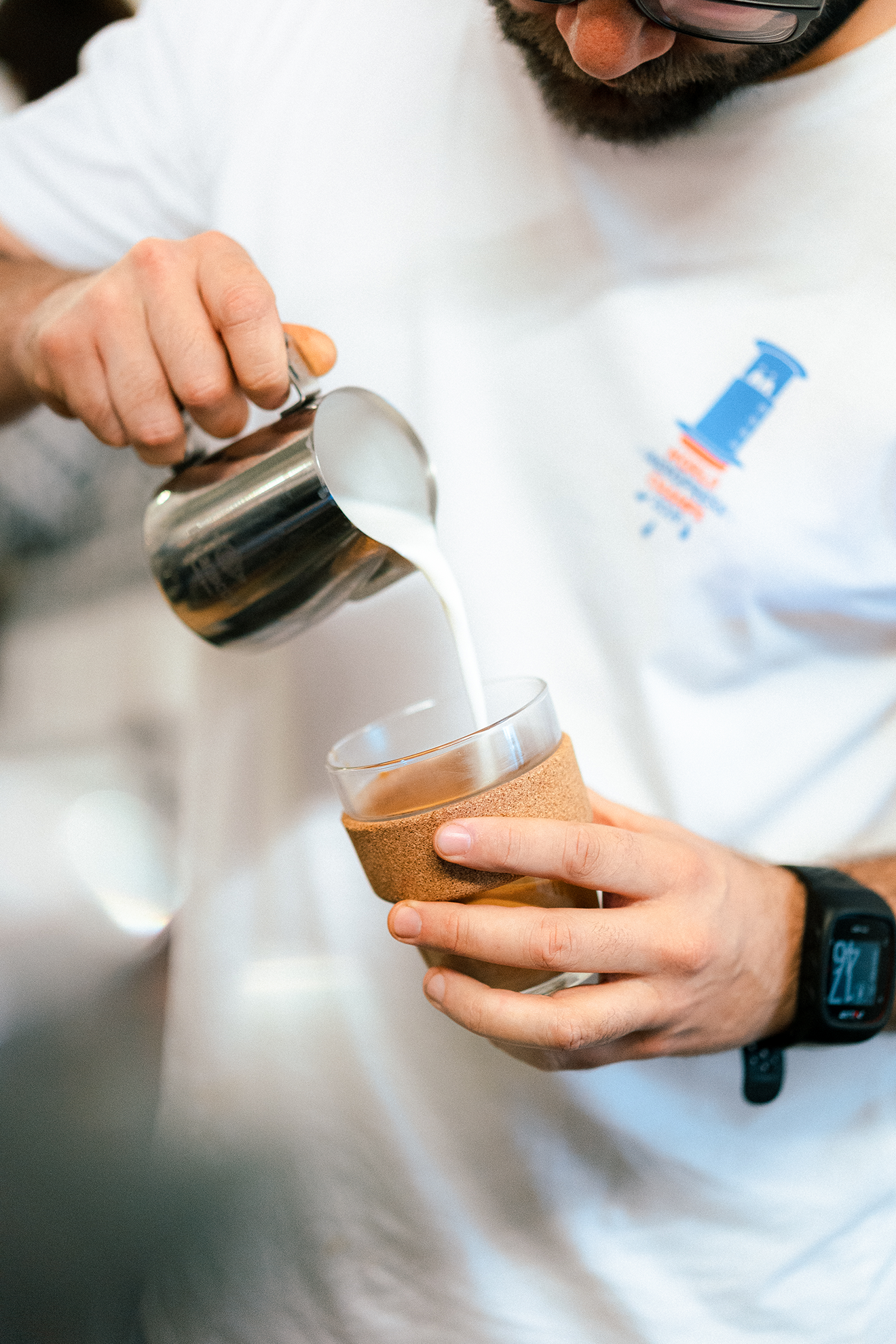
For the perfect pour
A drafted vessel, for easy pour and the crafting of perfect hearts and rosettas.

Lovely to drink from
A tapered rim so drinks can be enjoyed with the lid on or off.
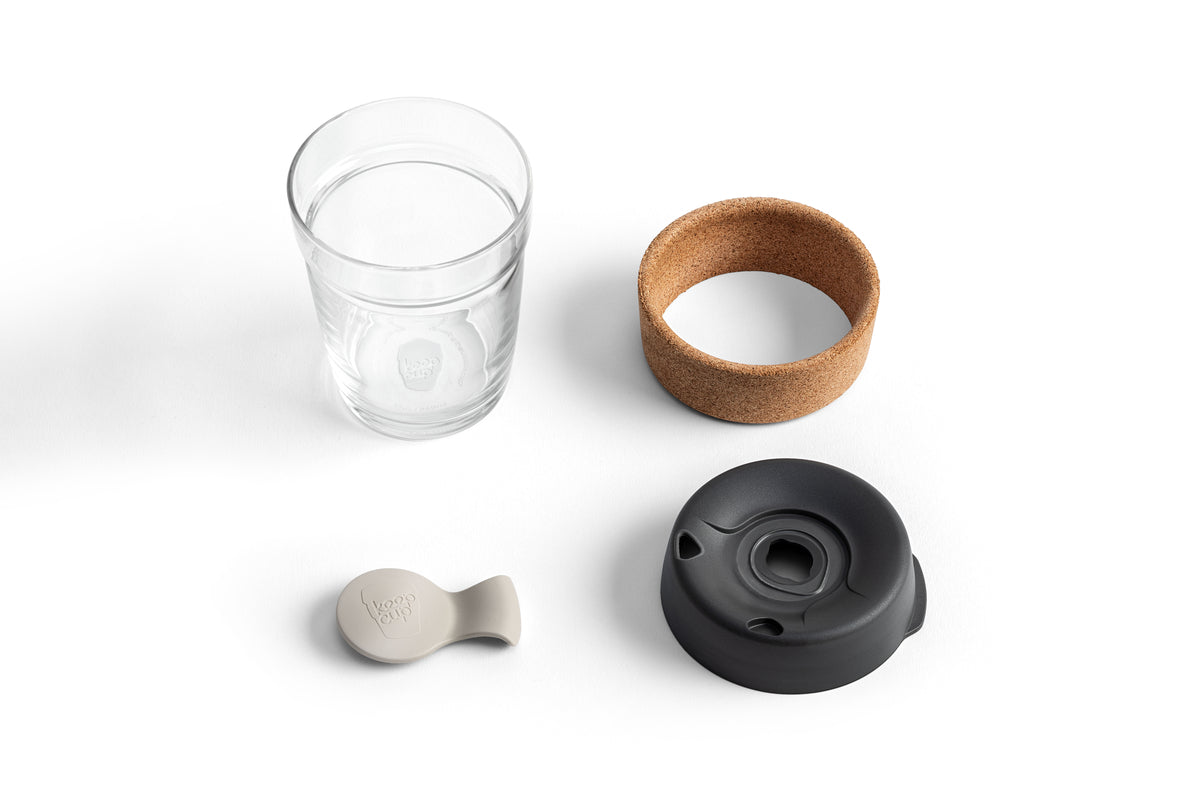
Modular replacement parts
We try to utilise as many common parts as possible across our products, allowing you to swap different lids and cups across the range. This reduces tooling, wastage, and production oversupply and provides a more seamless experience for customers.
Available online, replacement parts support the right to repair, reduce collective impact and improve the longevity of our products.
If you’ve lost or broken a KeepCup part we encourage you to purchase a replacement for just that component rather than an entirely new KeepCup.
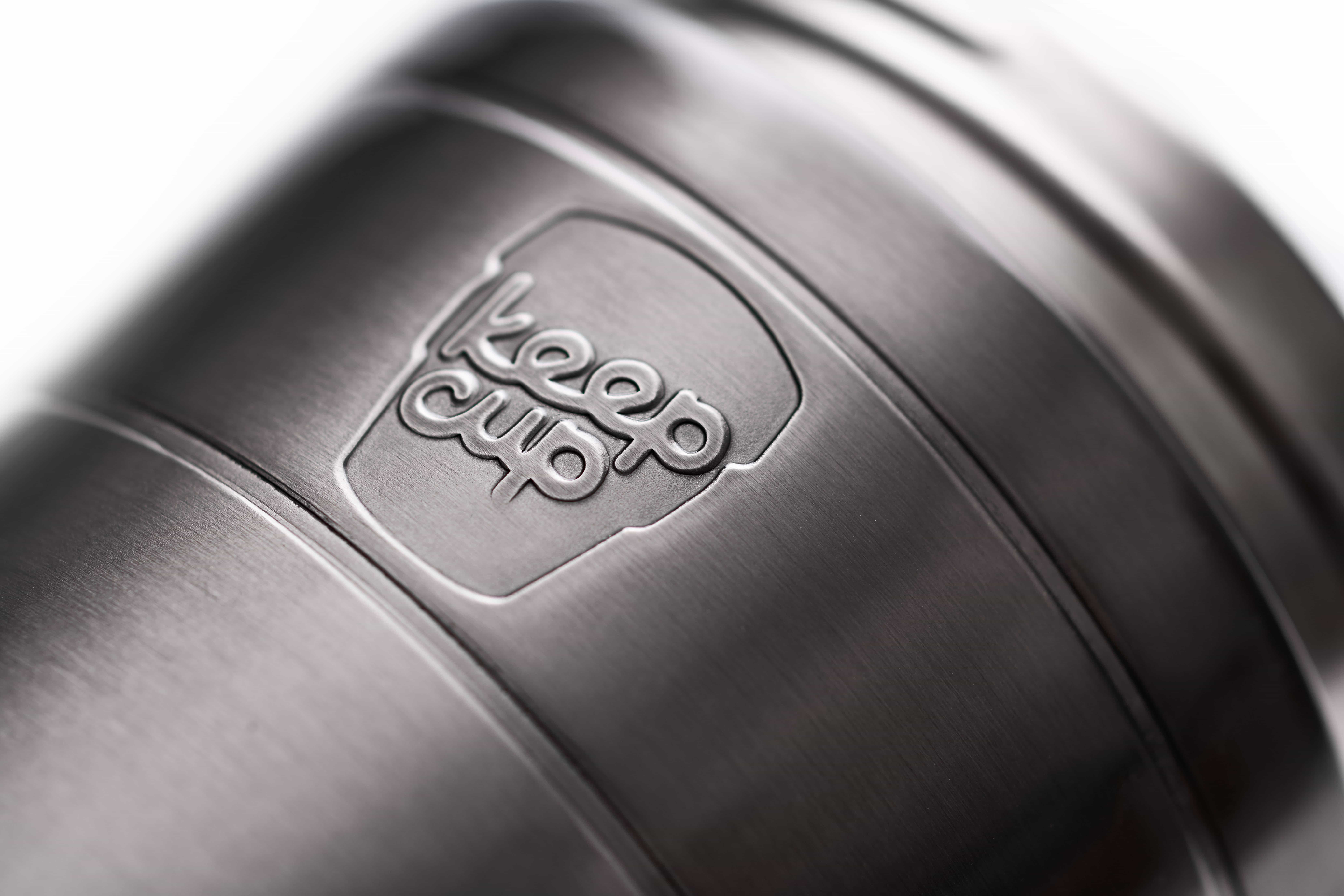
Design that is original
While the term ‘KeepCup’ is often used as a catchall for every reusable cup brand, our products are the first barista standard reusable cup, and the original product enjoys patent, design and trademark protection.
To make sure you have bought the genuine article, read about our product authenticity.
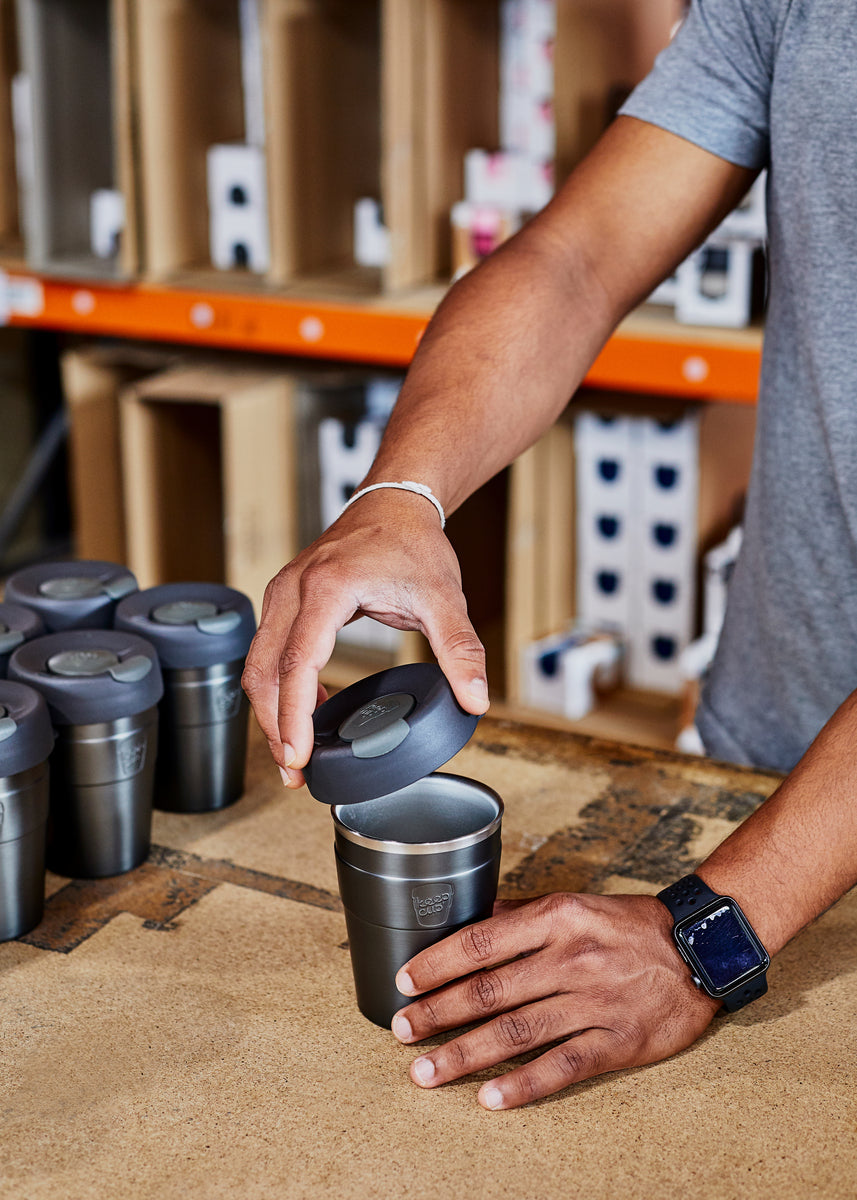
Food safety and hygiene
Health and safety is our first priority. All KeepCups are free from BPA, BPS, phthalates including DEHP, lead and cadmium as well as any substances of very high concern (SVHC).
We conduct audits of all our manufacturers to test material compliance with global food safety standards. We also take random production batch samples of parts and independently lab test them against differing food safety standards set worldwide.
Materials
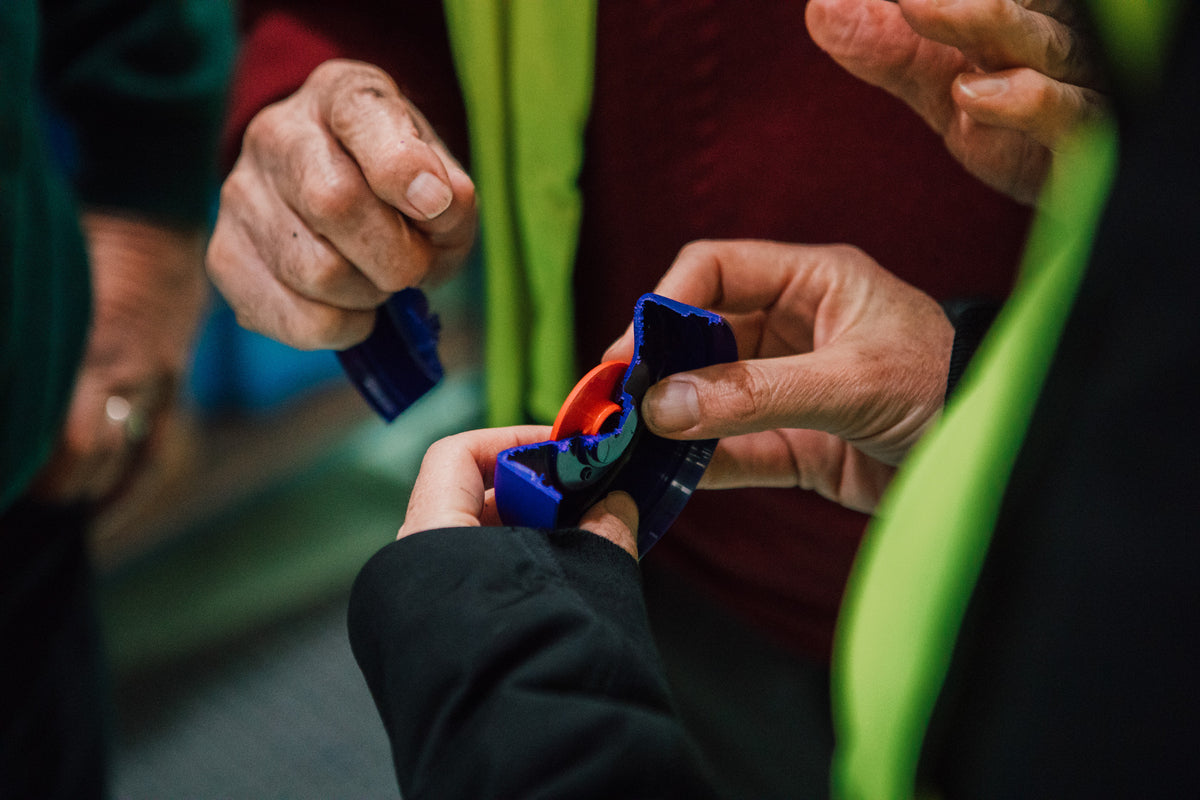
KeepCup materials are carefully considered at all stages of the manufacturing process and lifestage of the component. We choose the best material that’s fit for purpose and minimises impact with ongoing reuse and end-of-life solutions in mind.
Manufacturing and Assembly
We work to create a responsible supply chain and drive positive social and environmental impact upstream and down. Close, transparent and long-term supplier relationships are at the heart of how we do business, and our core suppliers have been with us from the beginning.
Local manufacturing
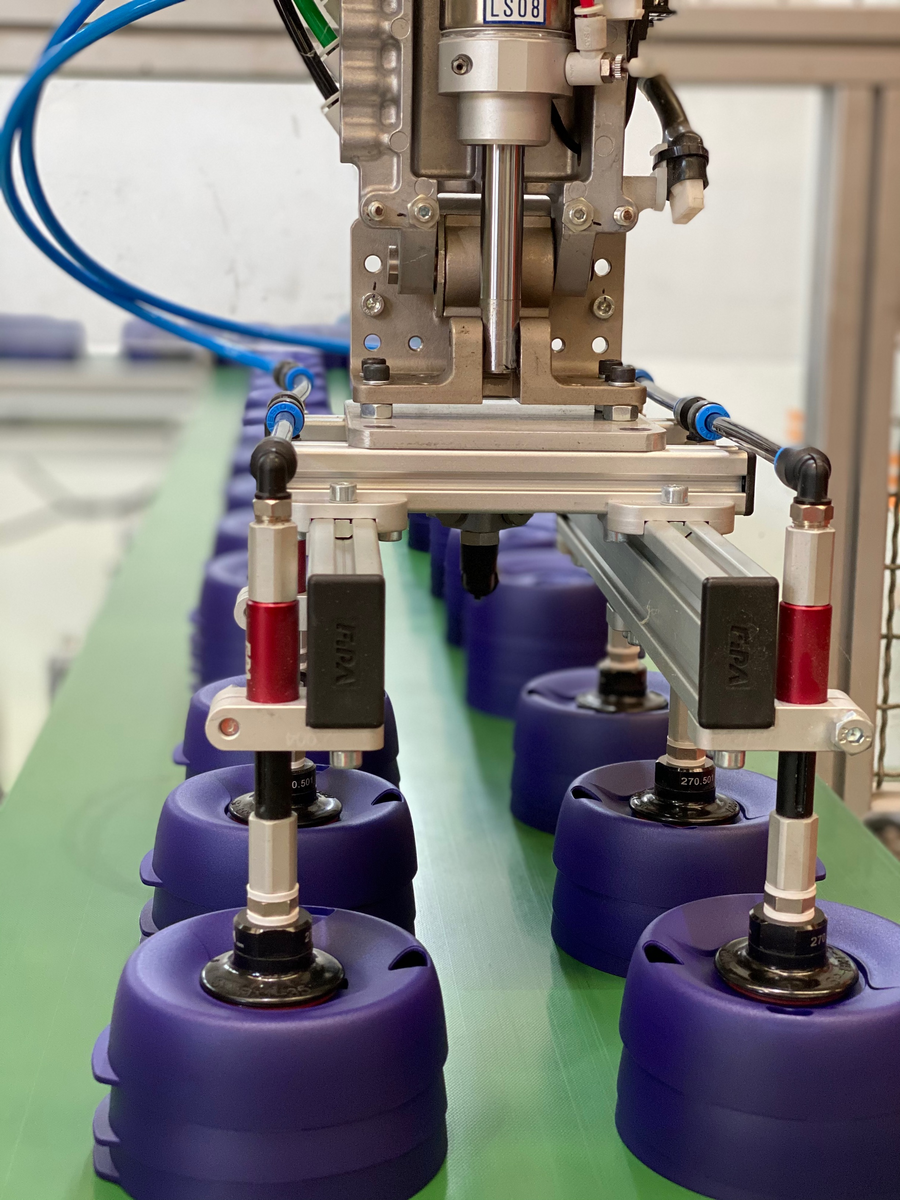
This is a strong building block; it means we invest in the community in which we operate, we reduce the environmental cost of logistics and in our experience, we build better original products, combining user experience, industrial design, tool engineering and production skills. Local manufacture is key to moving to a circular economy, ensuring local capacity, markets and know-how exist to reprocess materials at end of life.
When we started our business, we were a local solution to a local problem, so we manufactured our KeepCup Original range, made from plastic, in Australia. This continues today for all plastic cups, lids and plugs.
In 2016 we began local production of those items in the UK to reduce our transport footprint for the UK and European markets, and because local capacity and volumes supported transition. The savings are not financial; they are environmental.
Sustainable sourcing for international manufacture
KeepCup components that are not manufactured in one of our local hub countries arethose that cannot be sourced there.
Our silicone bands are manufactured in China, because that is the only place in the world that low grade silicone is manufactured. We were the very first customer of our silicone band manufacturer, and have had the joy of seeing their business grow and flourish alongside ours. Our cork bands come from the ancient cork oak forests of Portugal, upcycled from the off cuts of local cork manufacture. Again, we work with another small family business to deliver a great and unique product.
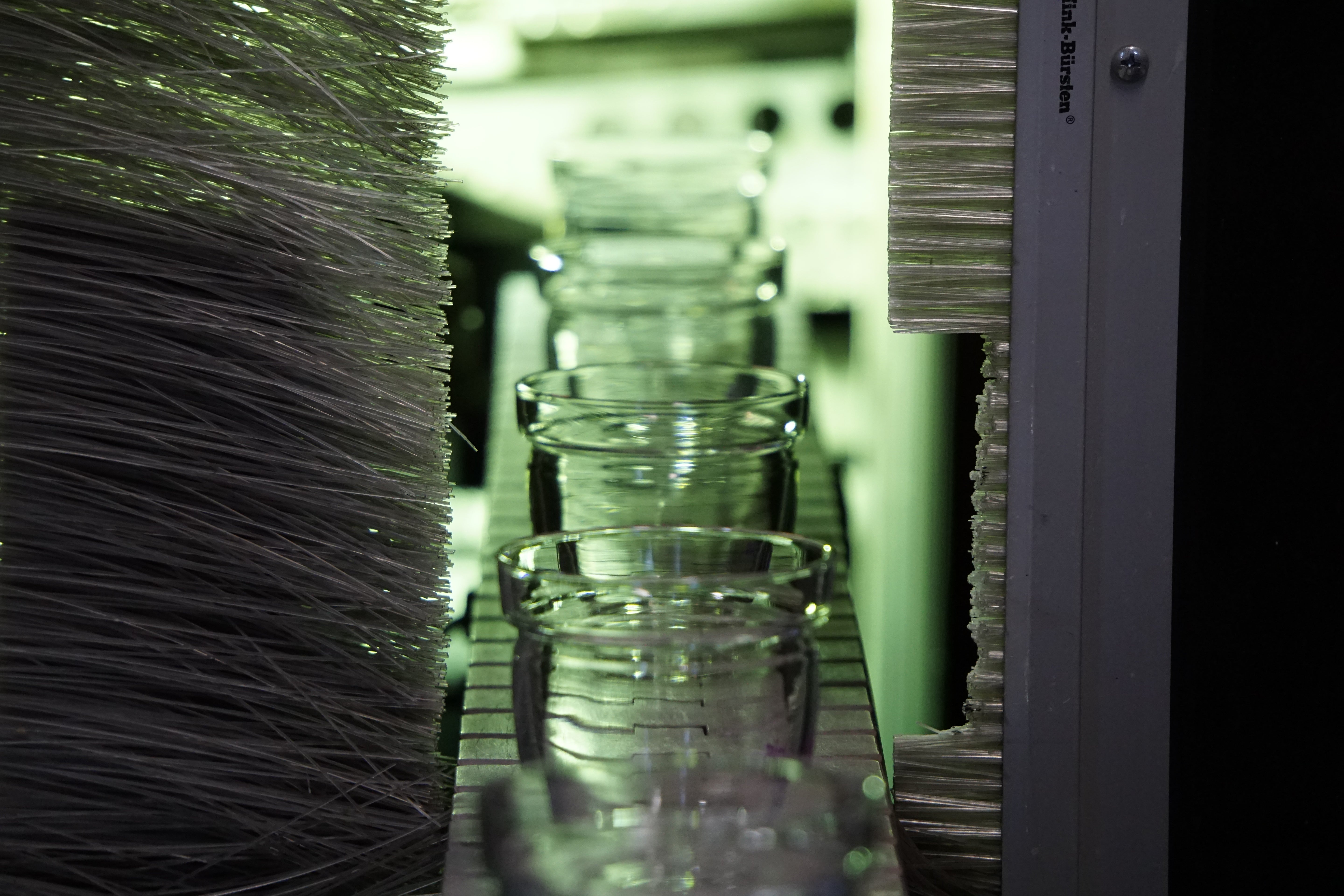
Blow-molded tempered glass tumblers and double-walled, vacuum sealed stainless steel cups are made by only a handful of manufacturers around the world. Ours are made in China.
Product stewardship for manufacturers will be increasingly important as we demand companies take into consideration the downstream consequences of manufacture, as well as supply inputs. Life cycle, use of materials, recyclability and reduction of unnecessary parts and products must be at the forefront of our thinking as we reconsider burning waste to energy as an effective strategy for finite resources.
For all international sourcing, we ensure strict adherence to our supplier code of conduct, and preference sea freight over air freight to minimise our impact.
Local assembly
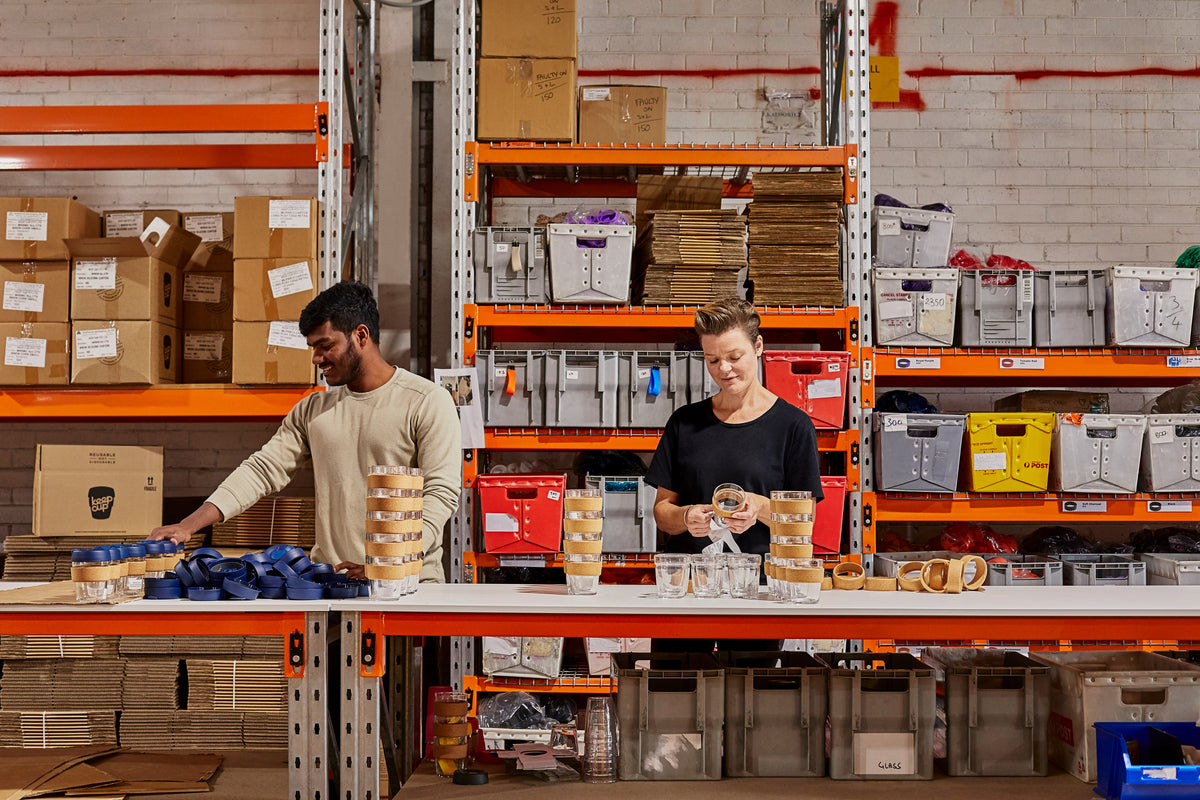
All KeepCup products are hand-assembled by our warehouse teams in the UK and Australia. During busy periods in Australia assembly is also done by Nadrasca, a local not for profit providing employment and job training for people with disabilities.
We pay living wages and are certified for doing so in the UK. We are working with our producers to validate payment of living wages across the production chain. Both our locations have retail areas where our customers are welcome to come in and design their own KeepCup, pick up orders and meet the people who hand assemble our products.
Having the whole team working in one office – sales, marketing, operations, warehouse and assembly builds respect for the process and the product. We believe it encourages a more thoughtful approach to how supply chains work, and a more equitable approach to relationships.
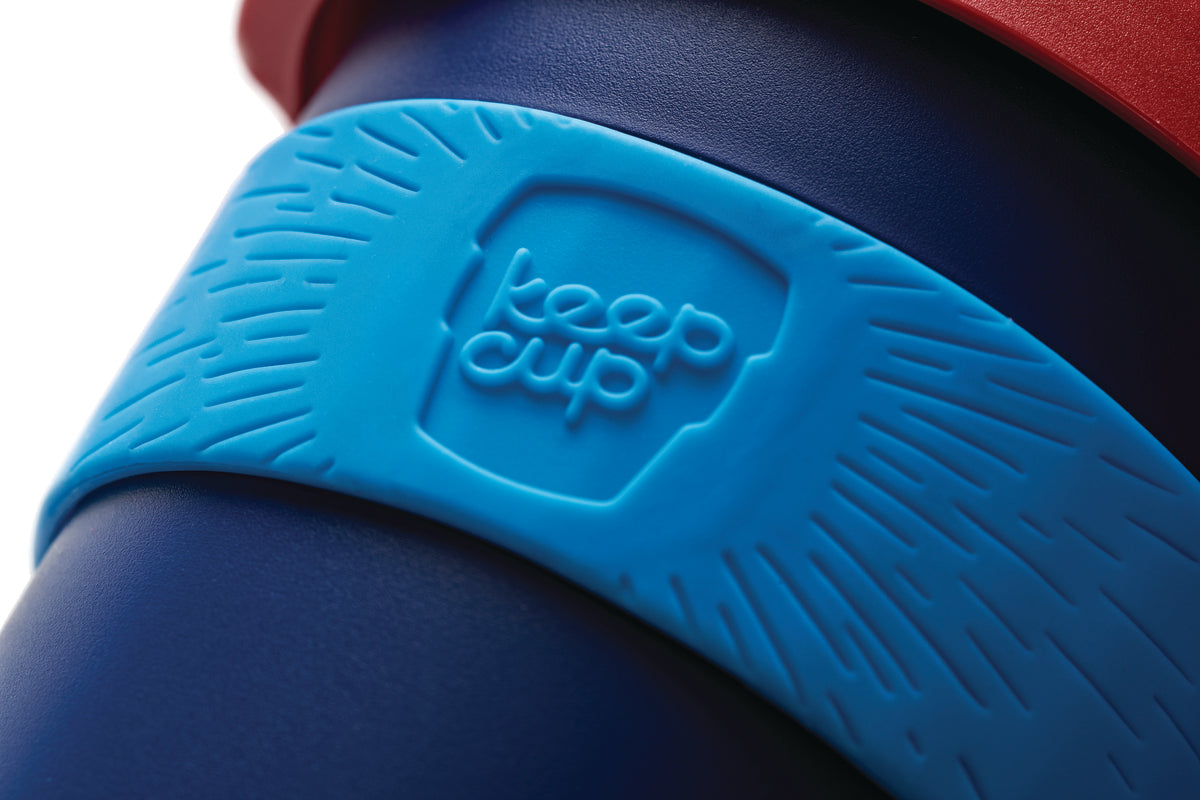
Kerry is our silicone band maker and printer. We first reached out to her when KeepCup was launching, and years later we learned that KeepCup was her business' very first international customer. We've now been working and growing together for over ten years.
Kerry’s story:
I grew up in Chonqing, a city in southwestern China and meeting place of the Yangtze and Jialing rivers. I’ve always loved colour and painted in oils since I was young.
I knew that one day I wanted to have my own business and work with international customers. This became a reality in 2008 when, after studying International Business and Trade, as well as English, I started my business, making jewellery which included brightly coloured silicone wrist bands.
Abi, KeepCup’s Co-Founder, found me on Global Source. She emailed wanting to buy bands and sent me a drawing. It was new product for me, so we made the mould and created samples in lots of colours.
From the outset I felt that Abi was very different to most customers we’d had previously. She was very honest to work with. For the first order, which was small compared to now, I asked her to pay a 30% deposit to buy material but she paid in full so I could buy it at a better price and invest in making the KeepCup bands.
My business is like an extended family. Kenny, my husband and business partner, is a great thinker and problem solver. He works closely with engineers, mould makers and our printers to problem solve any tooling and print design issues. My friend Lotus, we went to kindergarten together, works for us and manages KeepCup orders and artwork. Gn is our master printer and has been with us from the start. We now have families and have grown together in life and work.
We love to be challenged by different KeepCup custom band designs. Our whole team treat them as a puzzle that we work together to solve. The KeepCup Star Wars bands were really complex. Working to the integrity of character designs as best we could, taking into account moulding and manufacture constraints, embossing and printing challenges, but we were so proud of the outcome and loved seeing the final products and our contribution in helping to create them.
I use my KeepCup everyday drinking tea in the office and it’s always very special to see our bands on KeepCups being used by others, at cafes and on retail shelves in China and when I’m travelling overseas.
As a woman in business sometimes I feel like I have to be superwoman, juggling both family and business. But I look back and realise that, societally, things have changed a lot in the decade I’ve been doing this. Women are increasingly valued and respected for their ideas and are no longer seen as dependent on men.
I love running my business and am really proud of our work quality. Working with KeepCup I get to create and print in so many different colours, it makes me so happy. I believe the world should always be colourful.
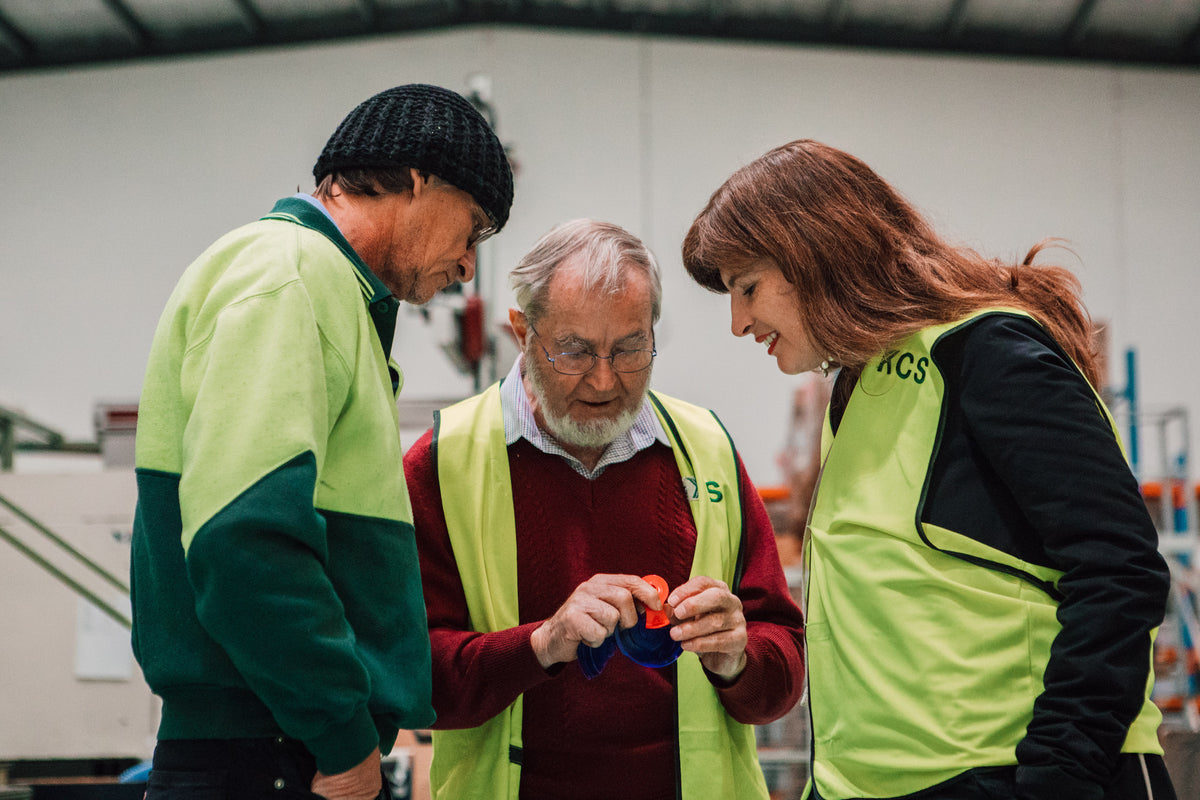
Kurt and Bill are the Australian makers of our KeepCup Original Cup bases, lids and plugs. We’ve been working with them from the beginning and it’s now more than ten years since the first KeepCup rolled out of their factory.
As well as making KeepCups they also design and make the machine tooling used in their factory. This part of a supply chain doesn’t often rate a mention but is an integral part of manufacture, especially when designing and making new products. It’s worth sharing as Kurt and Bill still make many of these tools in Australia, in an era when most toolmaking is done offshore in countries with low labour costs. Local toolmaking allows us to quickly troubleshoot issues that arise during manufacture and enables higher quality output, with a low manufacturing reject rate.
Kurt and Bill's story:
Kurt
In 1982, my wife and I started our own tooling business from the garage of our Montrose home, she was the machinist and I the engineer. We did well, and within a year were employing six toolmakers and rented a factory. Today, it's still very much a family business. My wife ran it alongside me for 25 years and now my daughter and grandsons work with me. We have 30 employees, over half of whom have well passed their long service leave. One of the women in our team, Gabriele, has been here for 33 years and Bill, our Production Manager, has been with us for 27.
Bill
People here are very lucky to work for Kurt. He's got the mentality that he’s responsible for everyone, for their jobs and their mortgages. I’ve been making KeepCups since we created the first prototype in 2008.
Kurt
I still remember when Abigail first came out to see me. I remember sitting opposite her and saying, “well it’s certainly eco-friendly. If you sell 300,000 it’s a good result.” Later, she reminded me “Kurt can you remember at the beginning when you said you’d be happy if you make 300,000? How many have you made now? Just over 1 million?”
Bill
Our tooling is still made in-house, so it’s much easier for our toolmakers to make fixes and adjustments for new product improvements and to maintain quality standards. We use our knowledge and experience to create durable tooling, built for long term use day in day out, not to go like a racehorse. We’ve got a lot of history working together with KeepCup now. We’ve had time to perfect materials and tools we use for each KeepCup component and we build on this knowledge with each new part and product.
We use robots now in some areas of the factory. The robots have improved our process and resulted in fewer rejects, saving time and resources. They haven’t replaced people’s jobs, our team instead now have more time for quality control and inspecting parts.
Kurt
Working with KeepCup has helped us look at the sustainability of our own practices, from water, energy, to waste. We’ve always been very ‘green oriented’ but KeepCup has helped us go further. We use 200 – 300 tonnes of recycled material annually and have expanded our own in-house plastic recycling program to take back and recycle returned plastic products from KeepCup alongside our own factory scrap, which is either ground up and reused inhouse, or reprocessed into plastic pellets which we then mould into new products we make, and which don’t have to be food safe.
Bill
We’ve made numerous changes in the business for energy and water efficiency. We’ve replaced our injection moulders, moving from hydraulic to electric which cut our electricity use in half. We upgraded our water systems so water for all injection moulding machines and toilets now comes from harvested rainwater we collect on our roof. The only mains water we use now is for hand washing and in the kitchen. All lighting in the factory is LEDs and we’re currently exploring rooftop solar.
Working with KeepCup has been an amazing thing to be part of. The positive environmental impact is awesome. At the start you’d never have thought it was going to be this big. Now I’ve seen KeepCups everywhere, from the Northern Territory to Venice and London.
Kurt
The idea of KeepCup is absolutely brilliant. Once when I was going on holiday to Magnetic Island, a girl sat next to me on the plane and took a KeepCup out of her bag. I said, “how do you like it? ". When I told her we made them here in Australia she was so happy to know. It’s such a success story and one we’re very proud to be part of in a small way.
We have a really good relationship with KeepCup. When there's a problem we all work together to solve it. The target is always to give the customer the best.
Our code of conduct
KeepCup’s Supplier Code of Conduct underpins our contracts with suppliers.
The labour code is based on, and goes beyond, the Ethical Trading Initiative (ETI) Base Code and the International Labour Organisation’s (ILO) Fundamental Principles and Rights At Work.
The environmental code embeds guiding principles from the UN Global Compact. The restricted substances list is based on European Union REACH (Registration, Evaluation, Authorization and Restriction of Chemicals) legislation.
The Code of Conduct is updated regularly according to changes in regulation and industry standard. Suppliers annually re-sign their commitment to the Code.
Key requirements of the code:
- Employment is freely chosen
- Freedom of association and the right to collective bargaining are respected
- Working conditions are safe and hygienic
- Child labour will not be used
- Living wages are paid
- Working hours are not excessive
- Discrimination is not practiced
- Pregnant and breastfeeding employees are supported
- Regular employment is provided
- There will be no harsh or inhumane treatment
- Corruption and bribery will not be practiced
- Environmental stewardship is practiced, and a precautionary approach is taken
- Chemicals are responsibly managed
- No animal products will be used
- There will be no animal testing
- There will be no subcontracting without prior consent and no subcontracting of manufactured product
- Suppliers will be audited at least every 2 years