

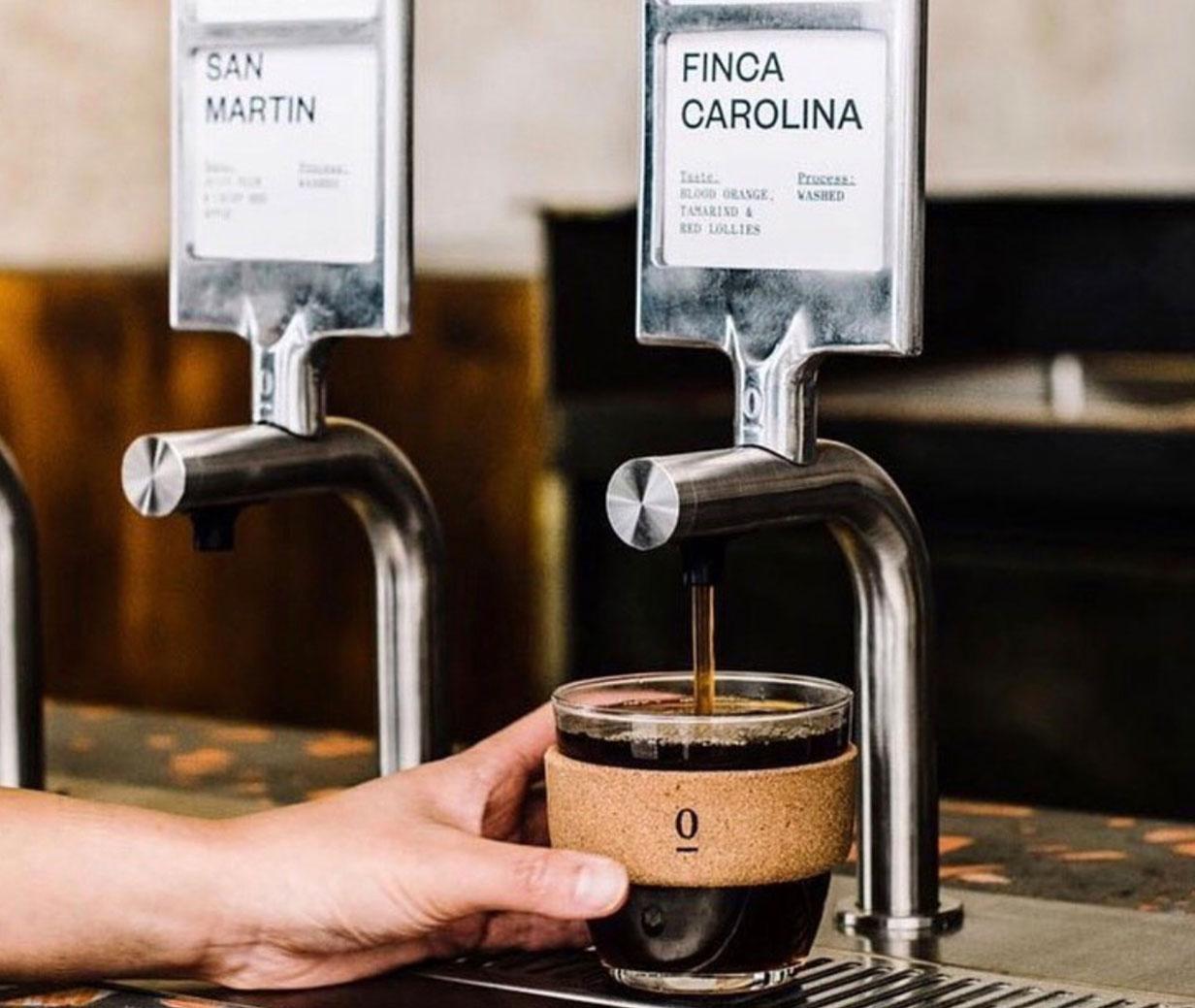
Single O is one of Australia's most respected specialty coffee operations. Roastery, multiple Sydney cafés, wholesale supply across Australia. They were also one of the first Australian specialty café brands to implement a comprehensive disposable cup reduction program — starting from a baseline of full disposable service and working toward disposable cups effectively eliminated from their primary outlets.
This is what they did, what worked, what didn't, and what other Australian café operations should take from it.
The Starting Point
Single O's pre-program disposable cup volume was substantial across their Sydney CBD outlets. That's a typical specialty café figure for their site count. The disposable cup waste was the largest single packaging waste stream at each outlet, and the operational issue most frequently raised in customer feedback as inconsistent with the brand's stated values around quality and sustainability.
The team had thought about the disposable cup problem for years. The challenge wasn't motivation; it was execution. How do you eliminate disposable cups in a takeaway-dominant coffee culture without alienating customers, without slowing service, and without compromising the quality of the customer experience?
The Program
The Single O program, simplified:
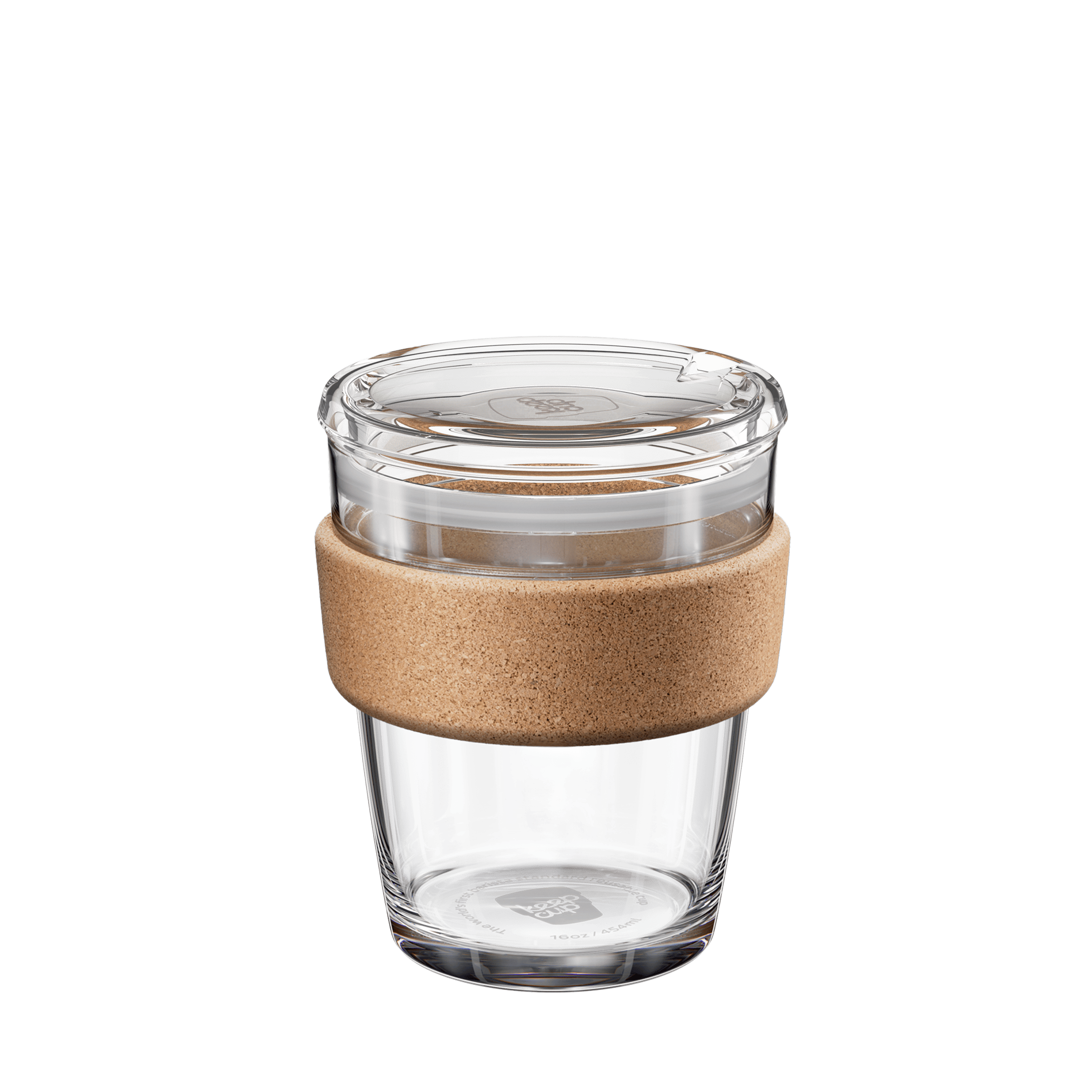
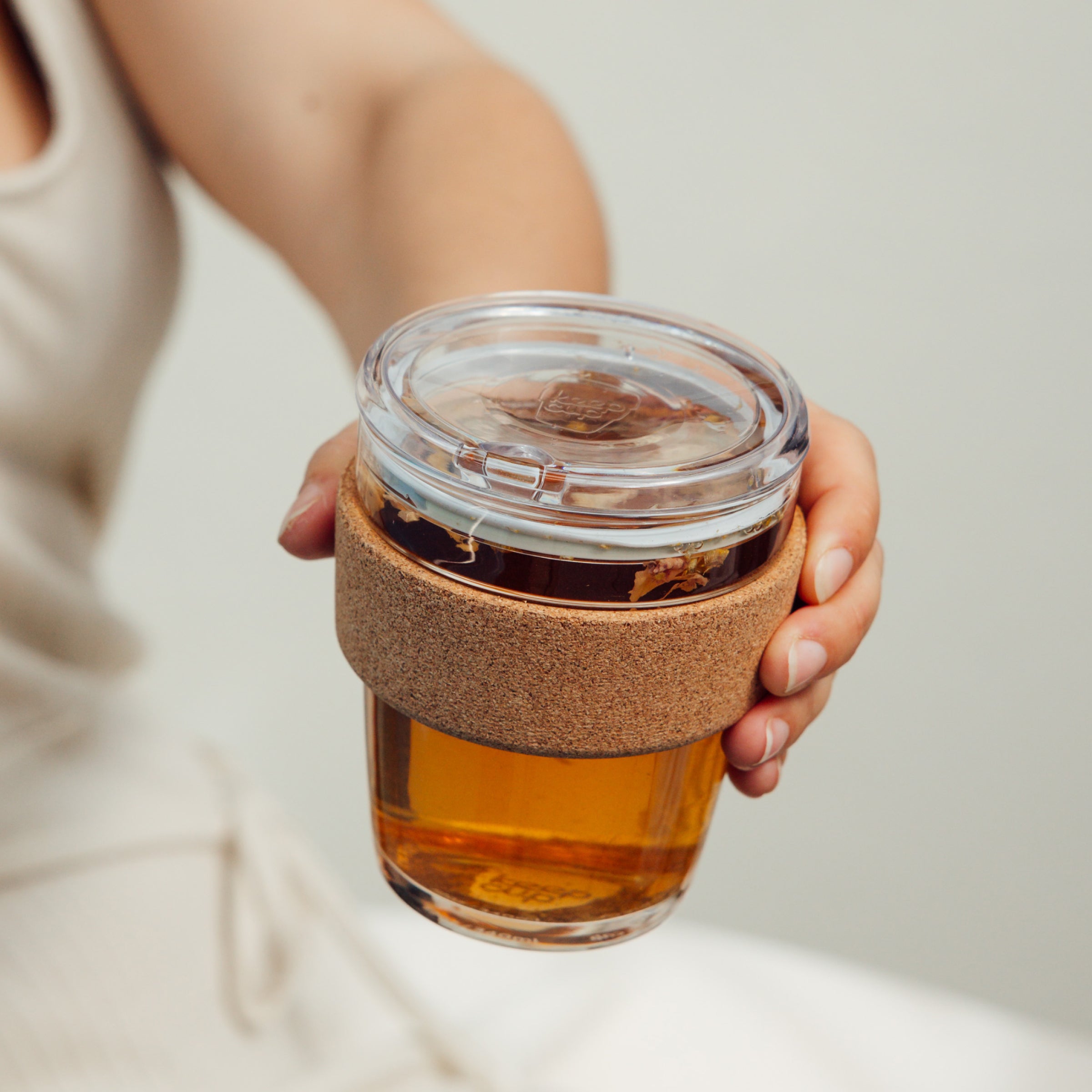
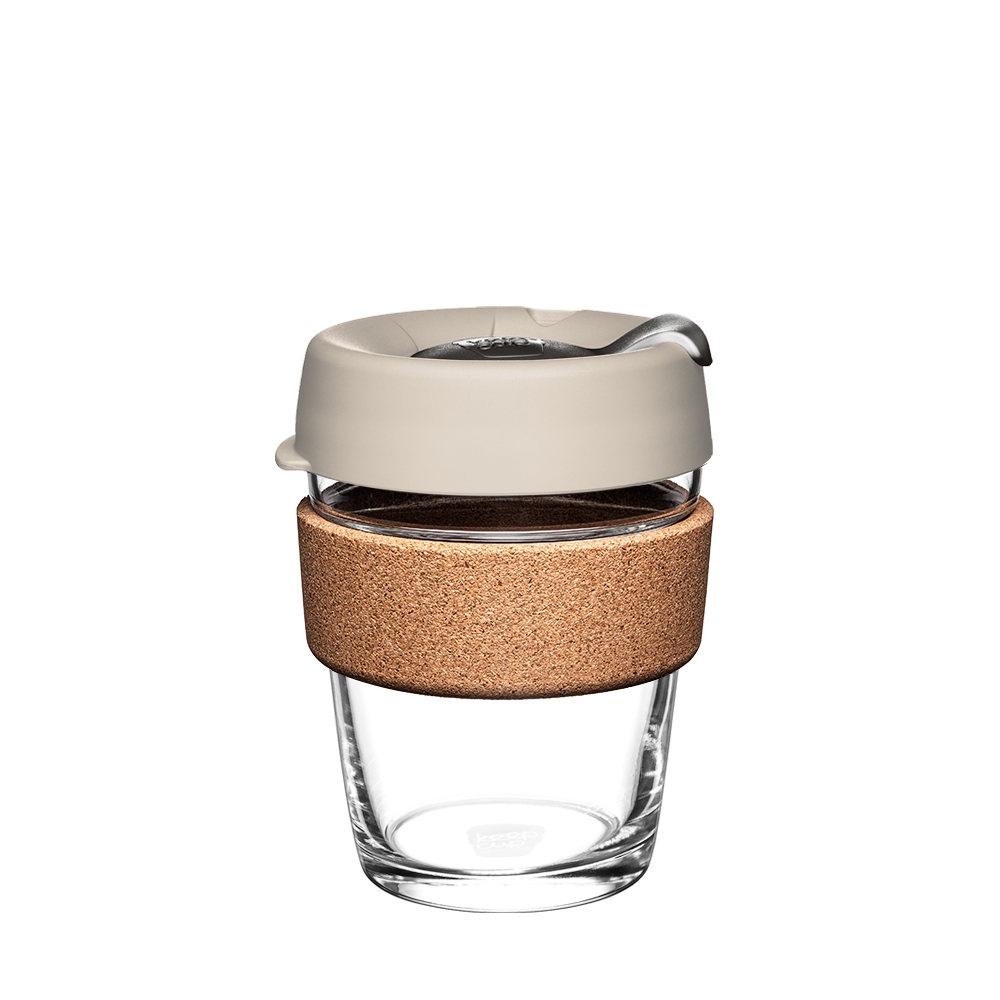
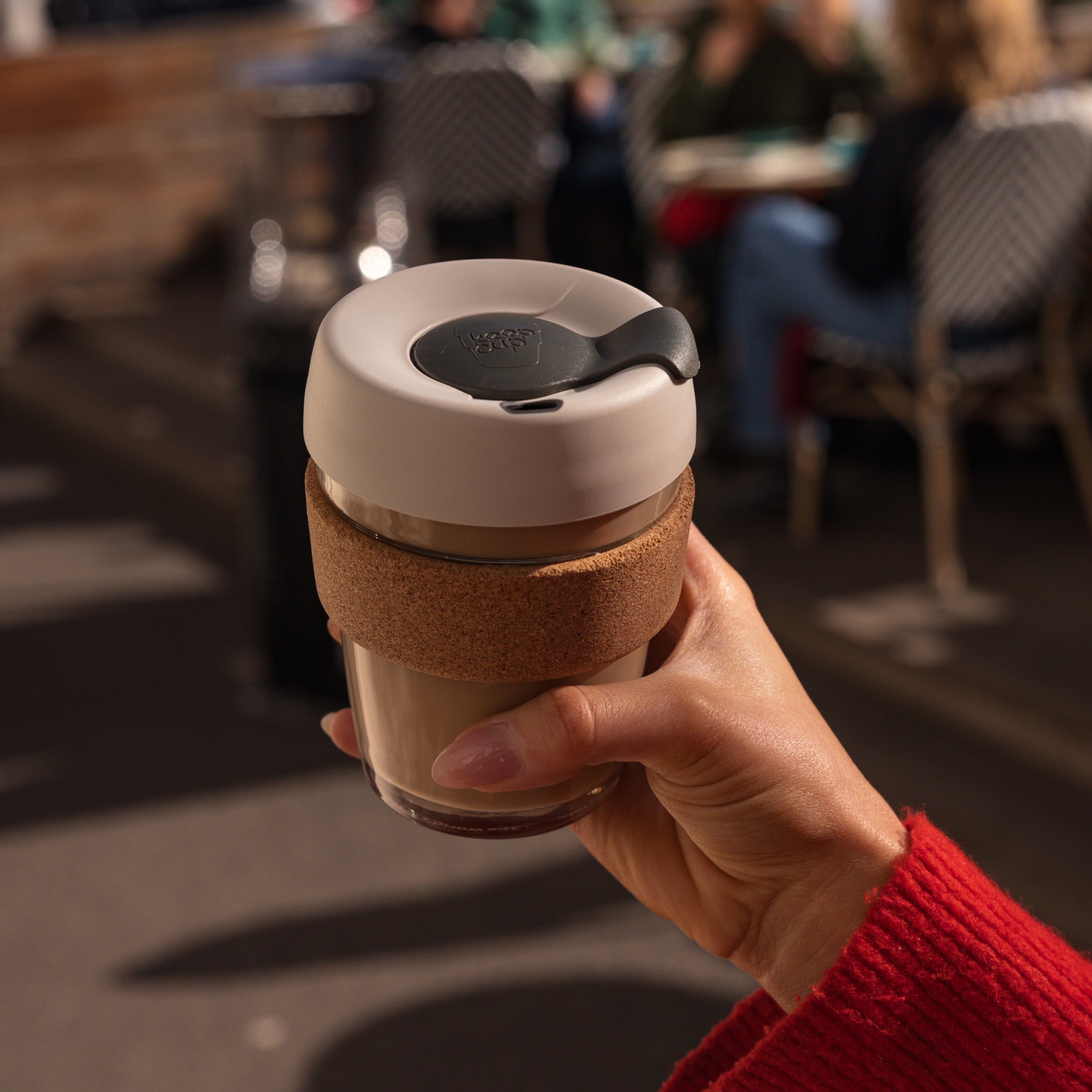
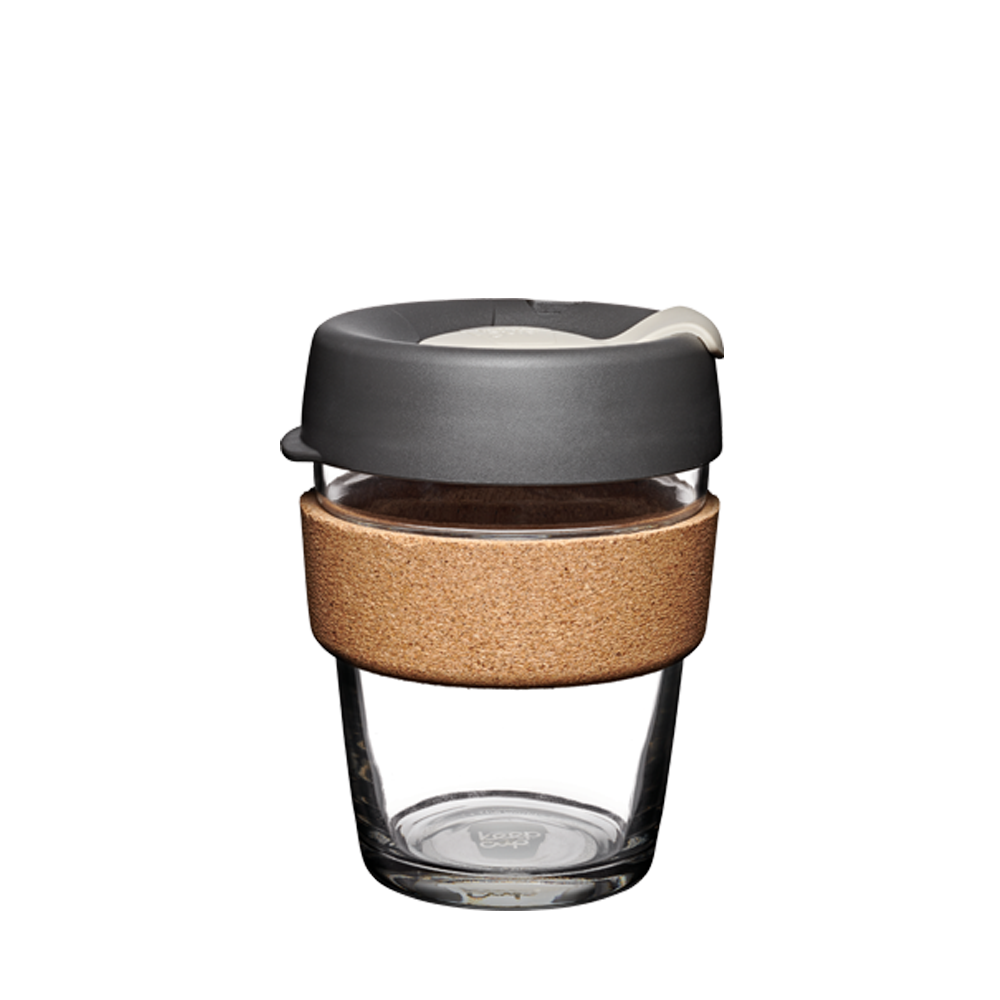
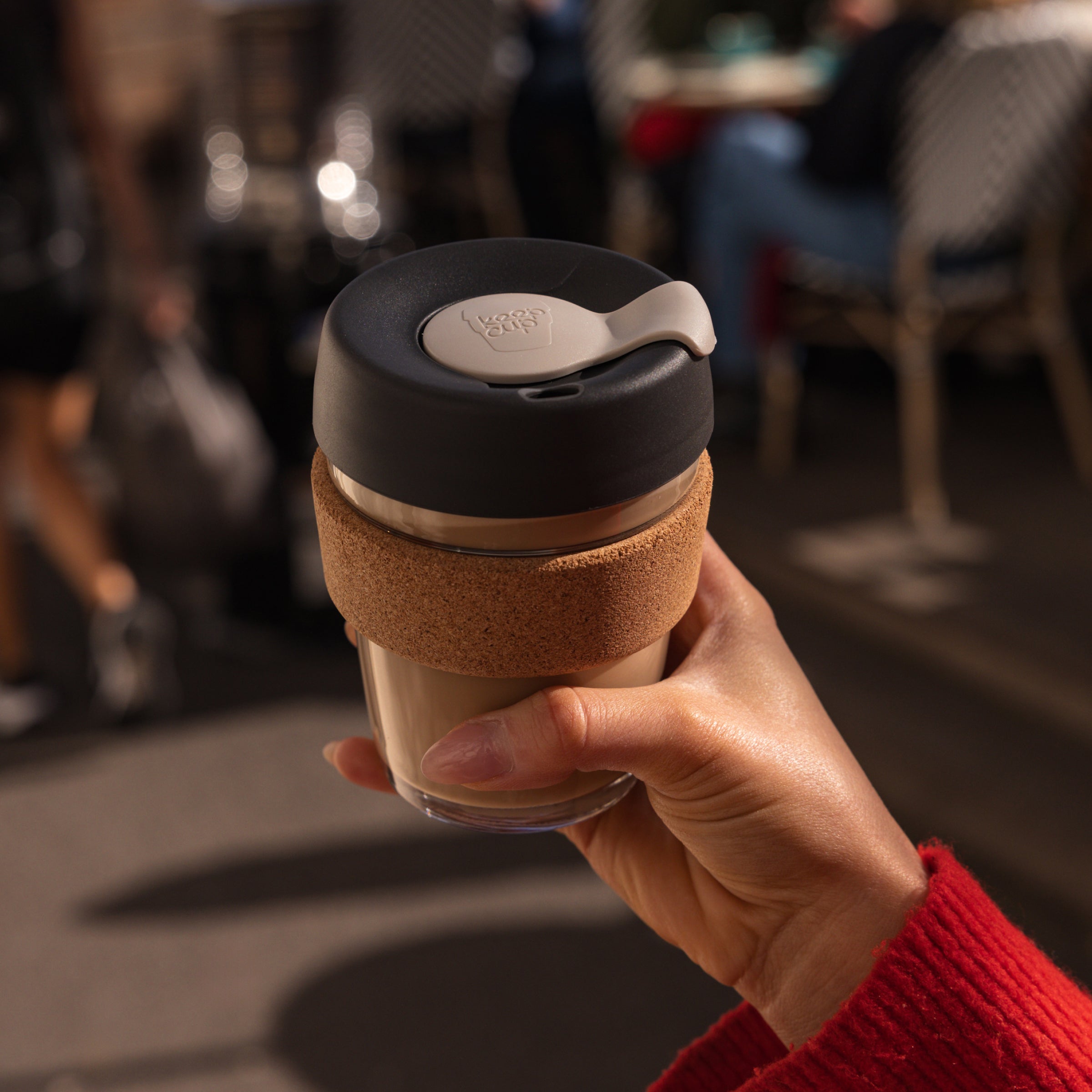
- Co-design partnership with KeepCup. Single O-branded Brew Cork cups, designed in collaboration with Single O's brand team. Sold from café outlets at retail price.
- Discount for BYO. A small per-drink discount served in any reusable cup. Applied automatically at point-of-sale.
- Loaner cup library. A small loaner program for regular customers — deposit-based, with cup returned on next visit.
- Default-switching language. Service language changed from "would you like a takeaway cup?" to "would you like that for here in ceramic, or in your reusable?" The framing made disposable the third option, not the default.
- Disposable retained, deprioritised. Disposable cups remained available for customers who needed them, but were stored out of sight, requested rather than offered, and gradually phased toward elimination at the primary outlets. KeepCup products are tested to 1,000 uses — the program rested on cups built to absorb the daily volume.
The phased approach mattered. Single O didn't try to switch overnight. The transition was visibly underway for an extended period before the disposable option was fully retired at the primary outlet.
The Outcomes
Across the program's first two years:
- Disposable cup usage substantially reduced across primary outlets.
- Most regular customers using personal reusables.
- Ceramic for-here usage covering most of the remainder.
- Customer transaction time: unchanged.
- Customer feedback: significantly more positive on sustainability messaging.
Sustained results held over time. Regular customers who had built BYO habits maintained them. Tourist and visitor traffic adapted to the available options.
What Specialty Café Operators Should Take From This
Five operational learnings transferable to Australian café operations:
1. Default Switching Works
The single highest-impact intervention was the service language change. "Would you like that for here in ceramic, or in your reusable?" shifted disposable from default to exception in customer minds. This is a free intervention with structural impact.
2. The Discount Doesn't Need to Be Large
A small per-drink discount — visible but not large — was sufficient signal that reusable was preferred. Larger discounts add operational cost without proportional behaviour change. The signal is what matters.
3. Co-Design Builds Investment
Customers buying a Single O-branded KeepCup felt invested in the brand and the reuse system. Generic cups don't generate the same effect. The co-design partnership generated a sense of ownership.
4. Service Speed Cannot Suffer
The reuse program had to be operationally invisible. Any added transaction time would have generated resistance. Single O's barista training included specific drills on reusable acceptance and fill protocols to ensure transaction time matched disposable equivalents.
5. Phased Elimination Outperforms Cliff-Edge
The extended transition gave customers time to build the new behaviour. A sudden disposable removal would have generated significantly more customer friction and likely some loss of casual visit revenue.
What Was Harder Than Expected
Three things the team underestimated:
Wholesale Customer Adaptation
Single O supplies coffee to other café operations across Australia. Some wholesale customers — office cafés, hotel operations — weren't running comparable reuse programs at their end. The brand consistency challenge required ongoing engagement with wholesale partners.
Tourist Volume
Single O's Sydney outlets attract significant tourist traffic. Tourists rarely carry reusables. The loaner program partially addressed this; the ceramic for-here option covered the rest. The expectation that personal cups would dominate proved unrealistic for the tourist segment.
Staff Training Investment
Embedding default-switching language and acceptance protocols across the barista team required more sustained training investment than initially budgeted. The investment paid back in program performance, but the cost was higher than the initial business case assumed.
What This Means for Other Australian Cafés
For Australian café operators contemplating similar programs, four practical recommendations:
- Start with service language. The default-switching change is free and high-impact. Change the question staff ask customers about cup choice. Measure the result. Then decide whether to commit to the larger program.
- Partner with a quality cup brand. Co-designed cups outperform generic. KeepCup's custom program supports café partnerships at scales suitable for independent cafés.
- Budget for the staff training. The execution depends on baristas. Training is the highest-leverage operational investment.
- Phase the transition. An extended timeline is the appropriate approach for full disposable elimination. Faster generates resistance; slower loses momentum.
The Wider Significance
Single O's success has demonstrated something important for Australian specialty coffee: disposable cup elimination is operationally feasible, customer-acceptable, and brand-positive when executed well. The barrier to similar programs at other Australian cafés is no longer evidence — it's commitment.
The specialty coffee category has been positioning itself as a quality-and-values leader for two decades. Disposable cup elimination is the operational expression of that positioning. The cafés that lead will inherit the market preference among the customer segments most likely to drive Australian coffee spend over the next decade.
FAQs
What did Single O achieve with their reuse program?
Substantial reduction in disposable cup usage across primary outlets, sustained over time, with the customer experience strengthened rather than degraded.
How long did the transition take?
An extended phased approach from program launch to full disposable elimination at the primary outlet. Phased transitions outperform cliff-edge switches.
Can a smaller café do this?
Yes. KeepCup's Custom program supports café partnerships at scales suitable for independent operations. The Single O case scales down to single-outlet operations with appropriate adjustments.
What's the most important success factor?
Service language. The default-switching change from "takeaway cup?" to "for here in ceramic, or in your reusable?" has the highest behaviour-change leverage of any single intervention.


Is plastic really that bad?
What does it mean to be a B Corp?