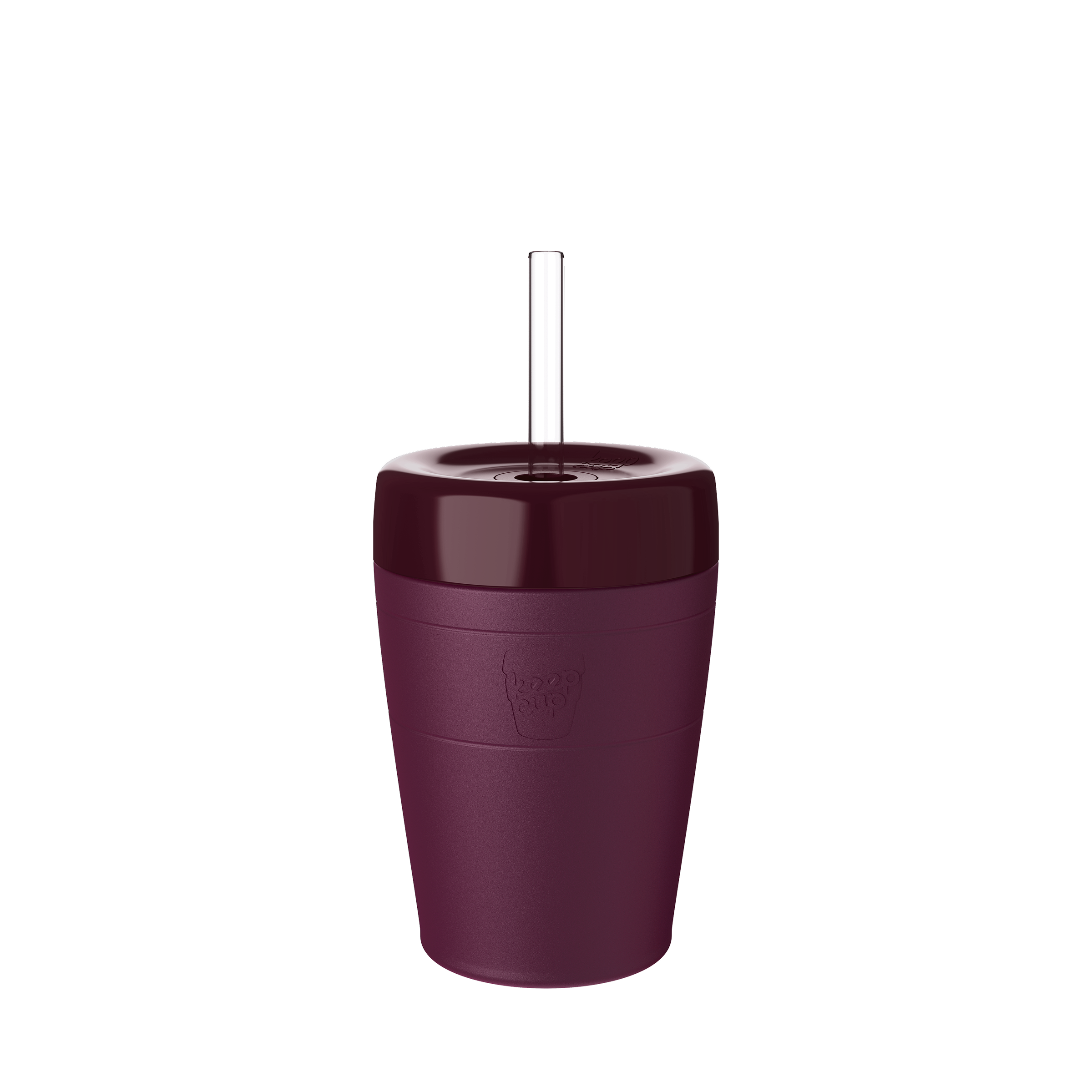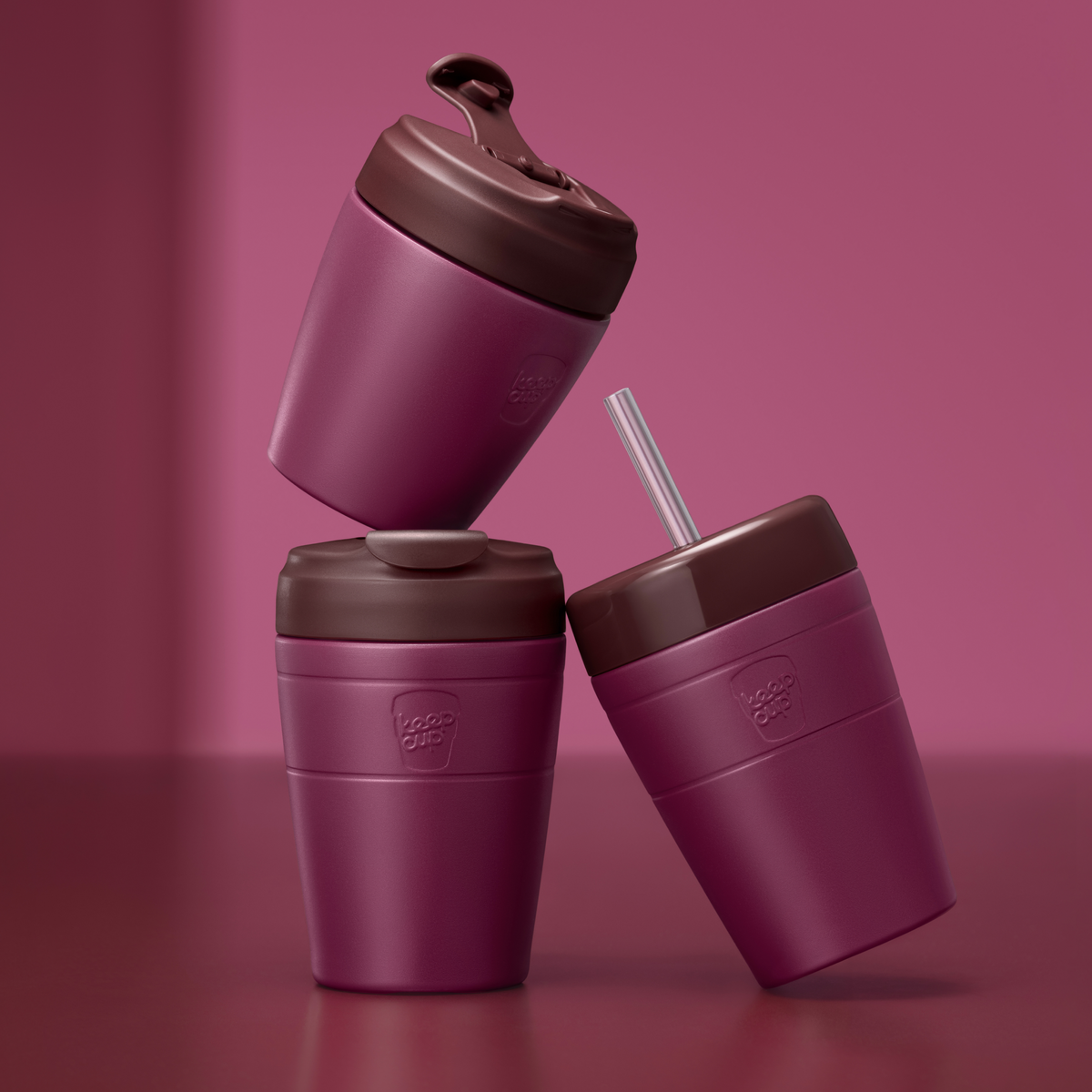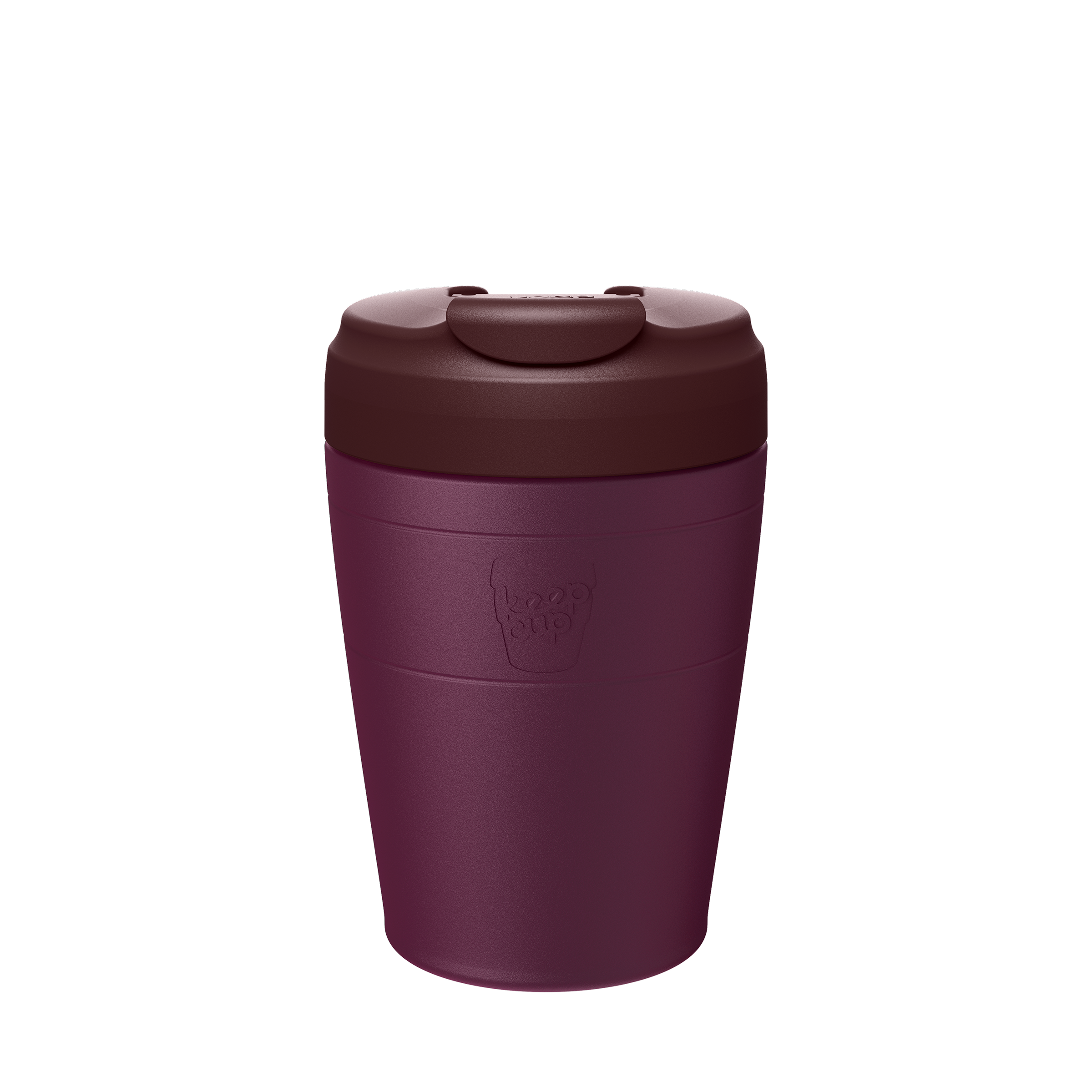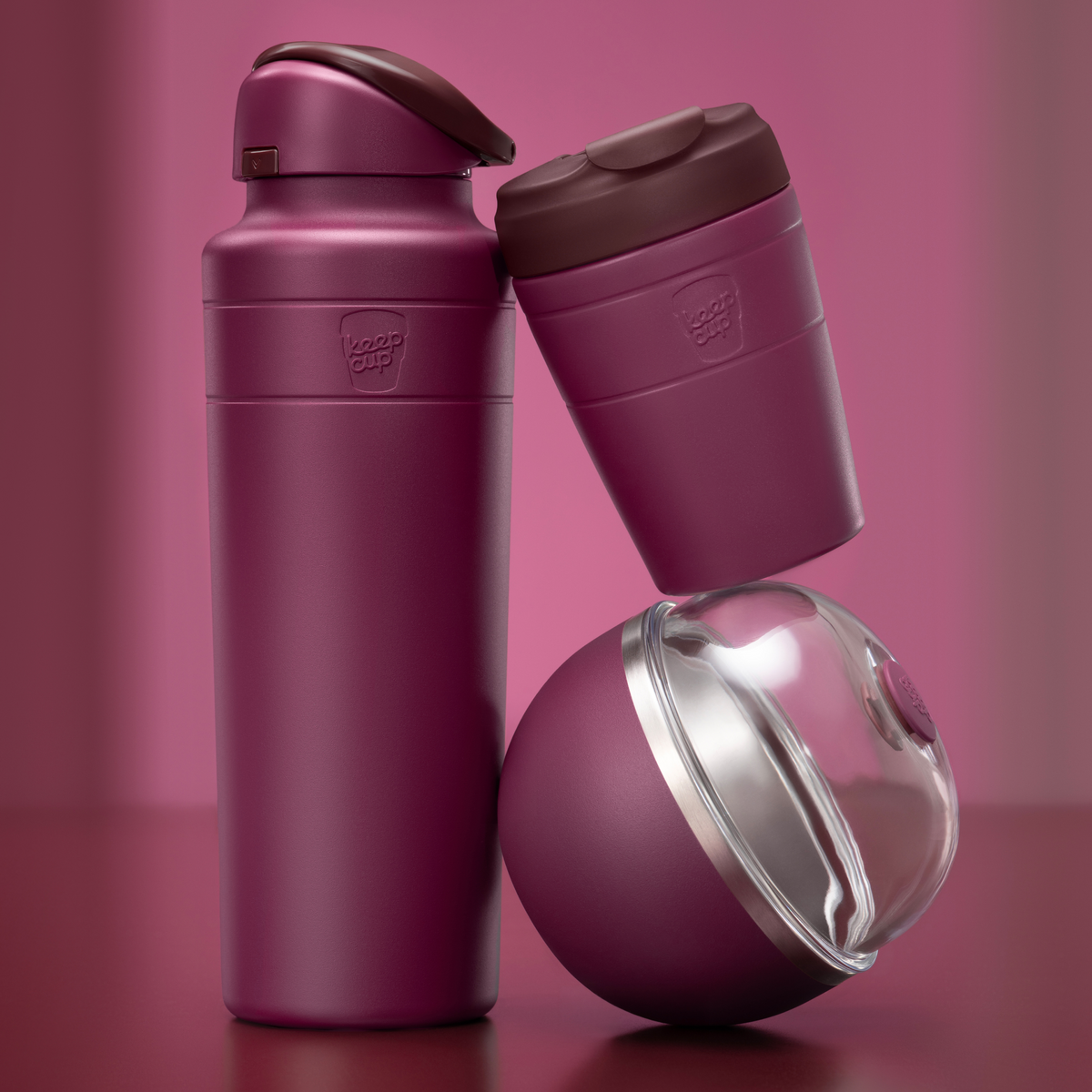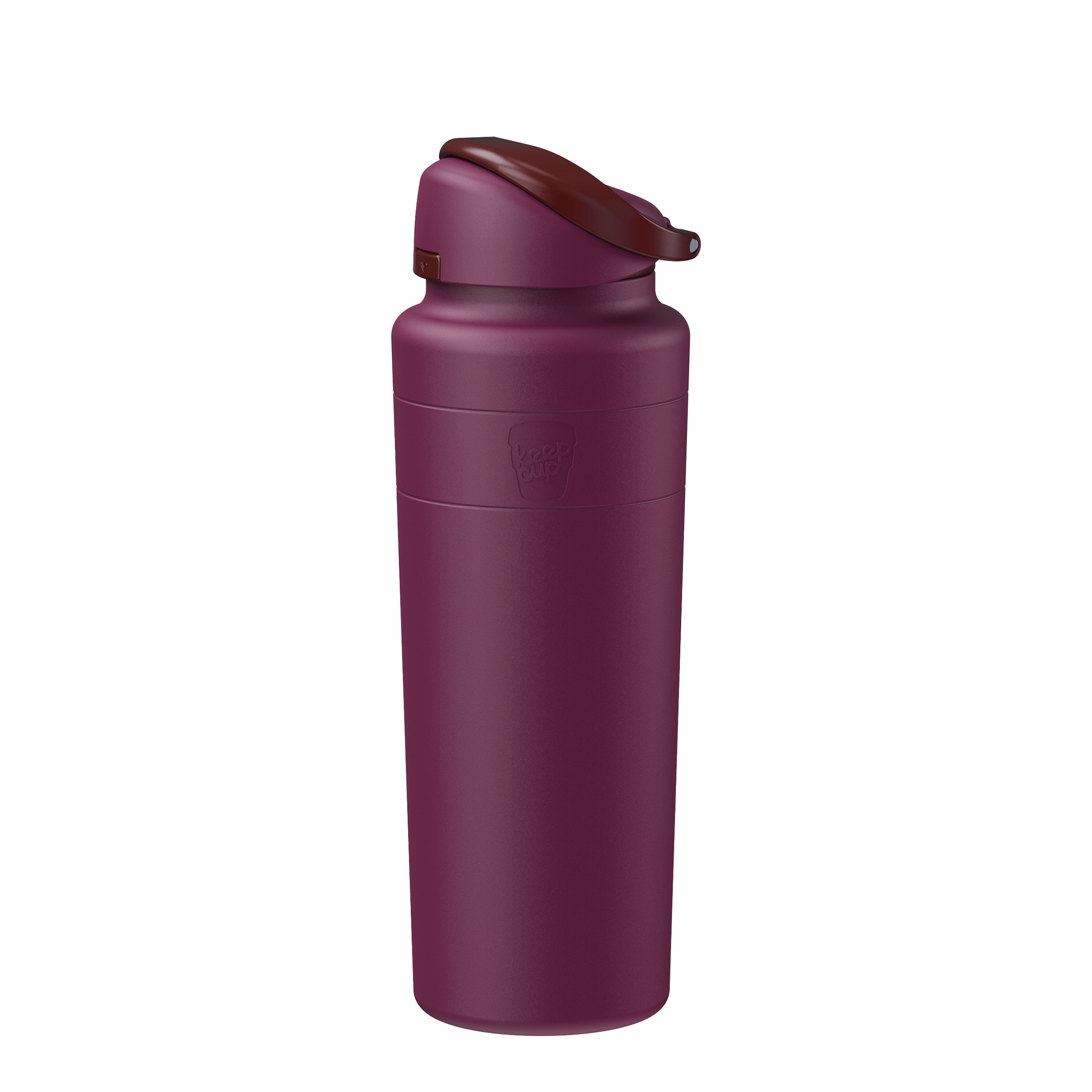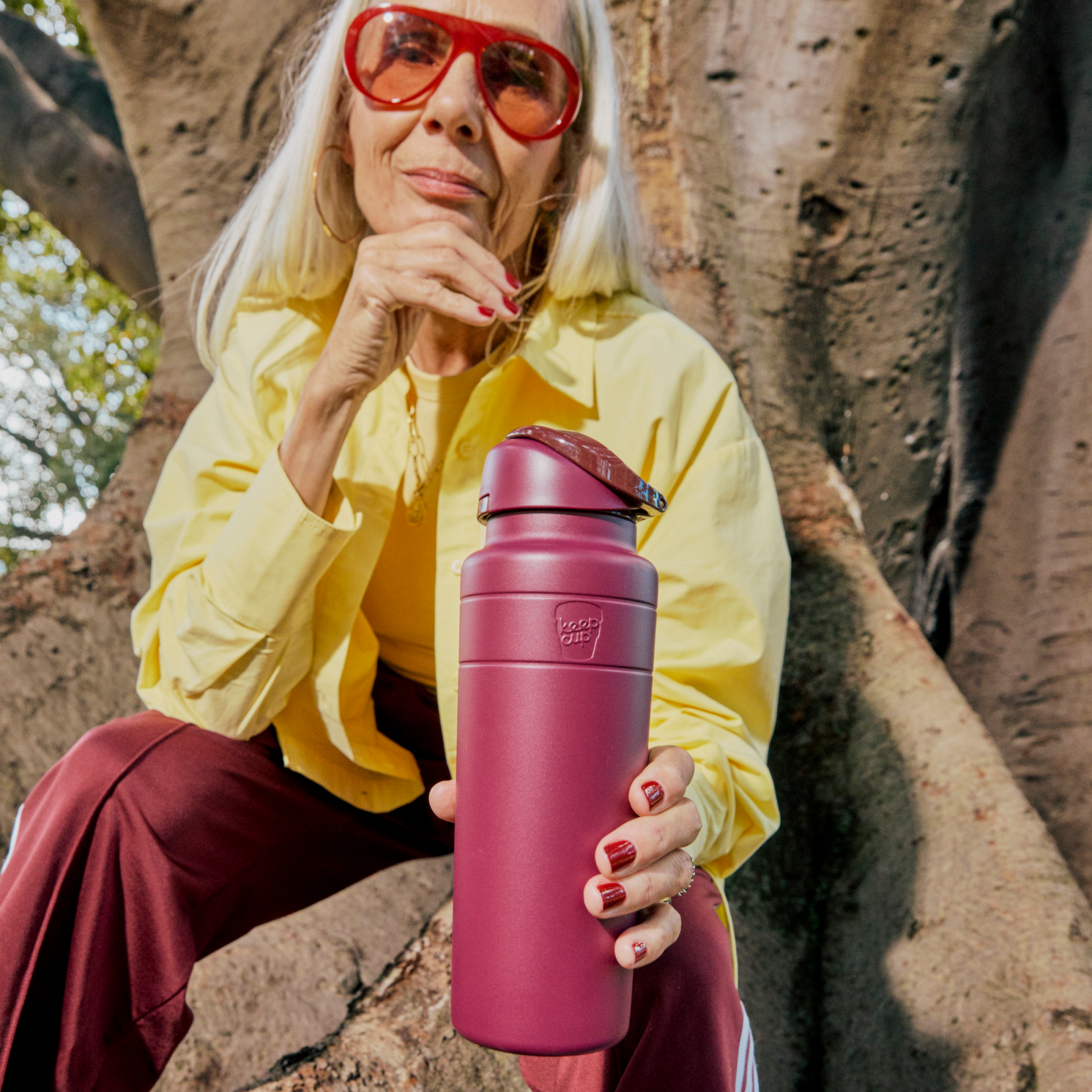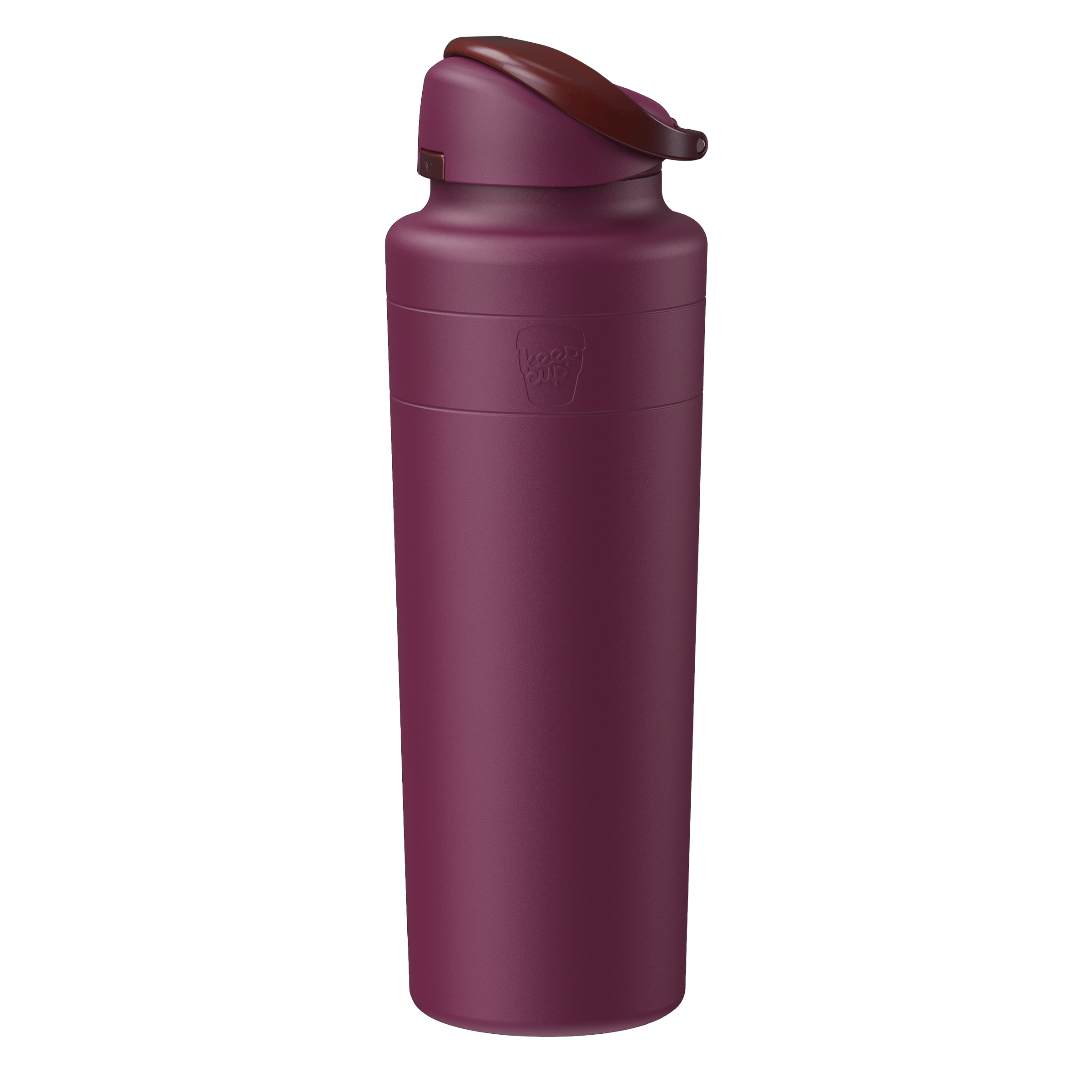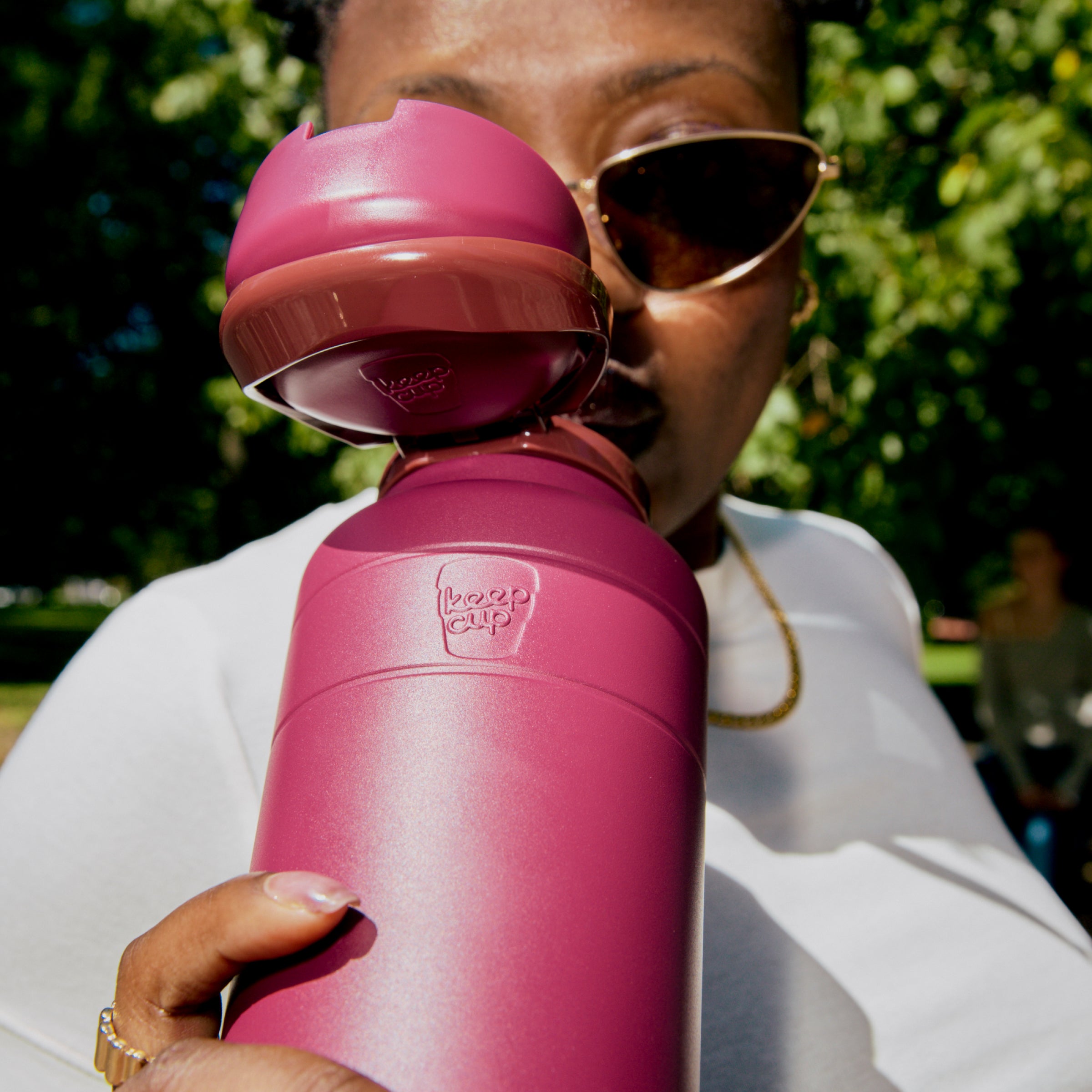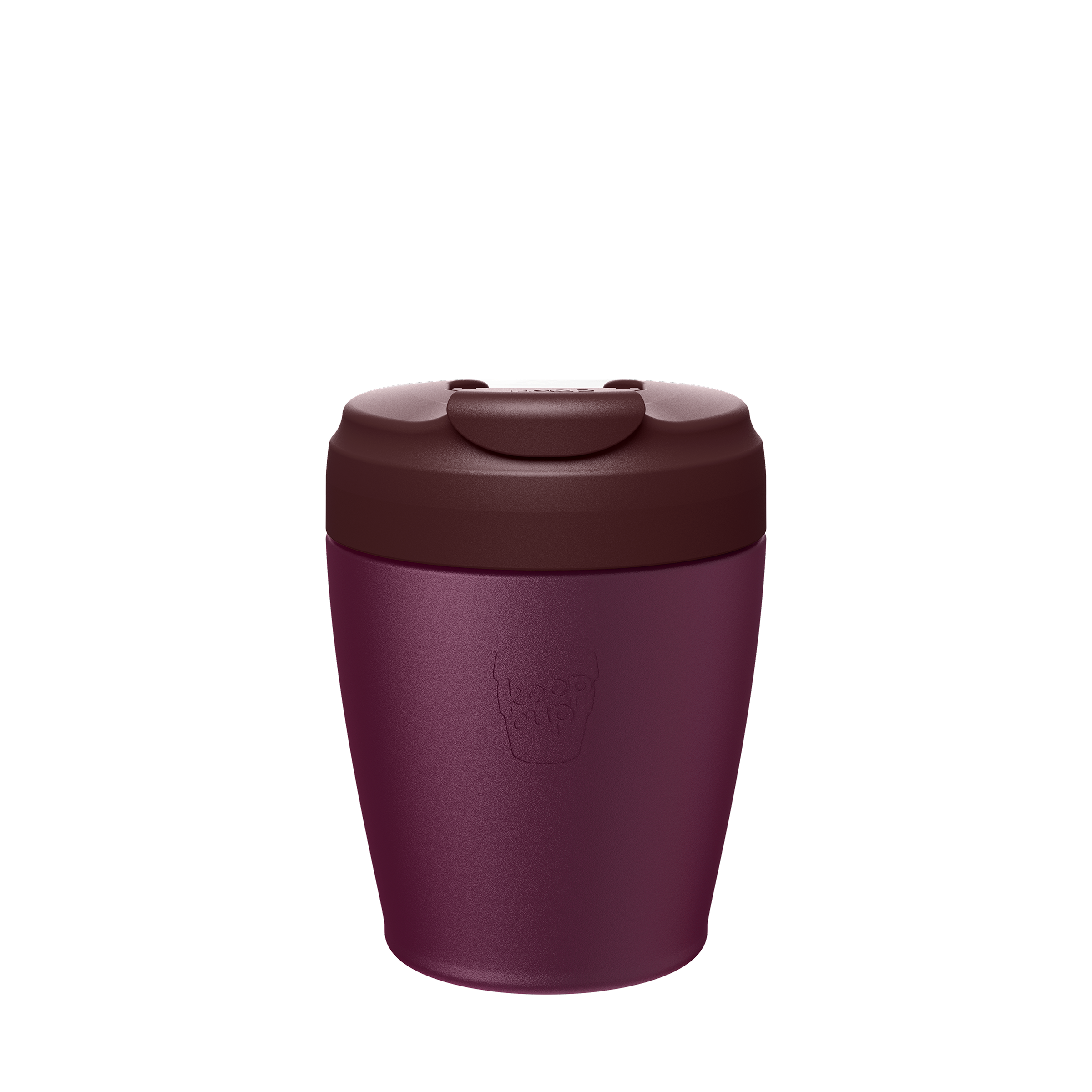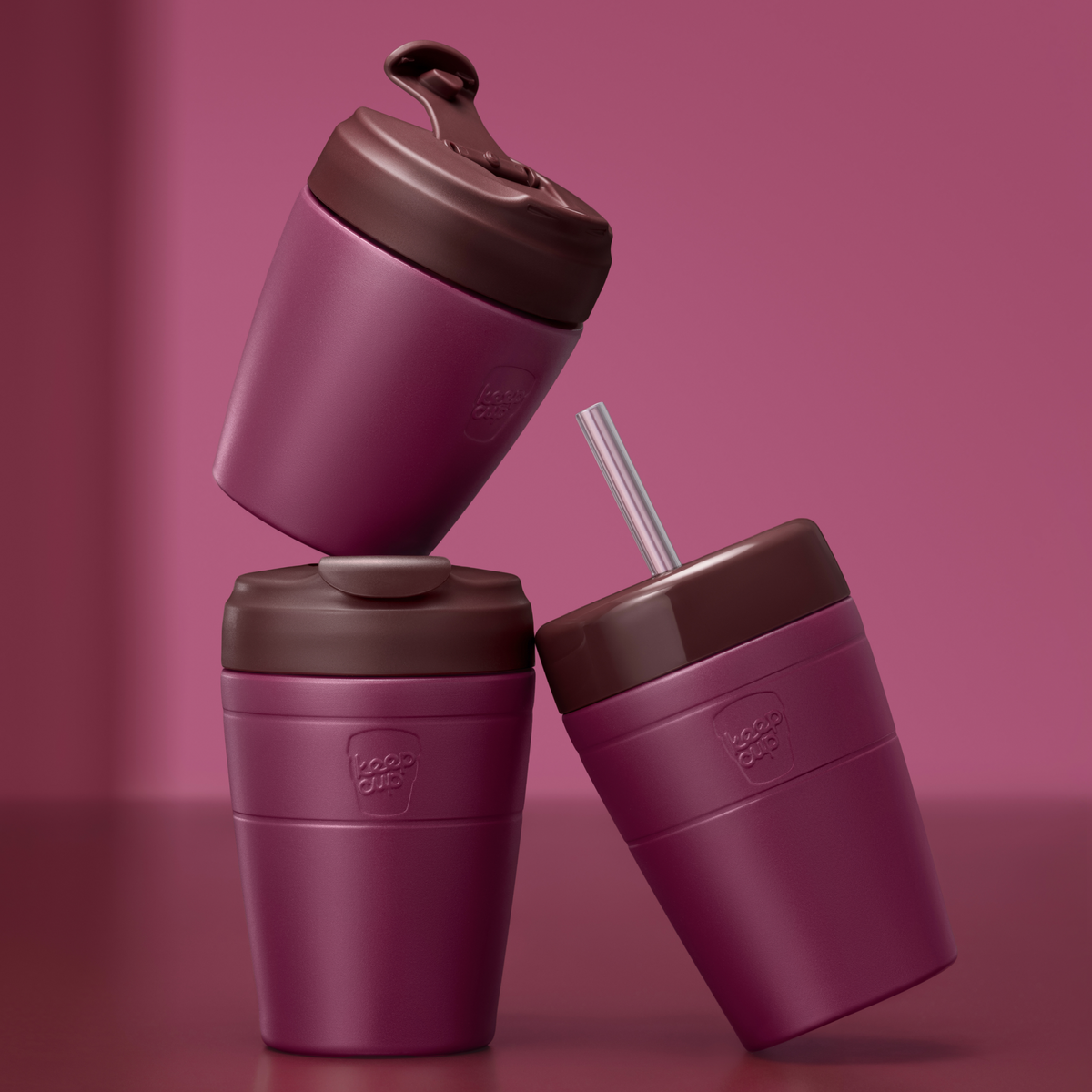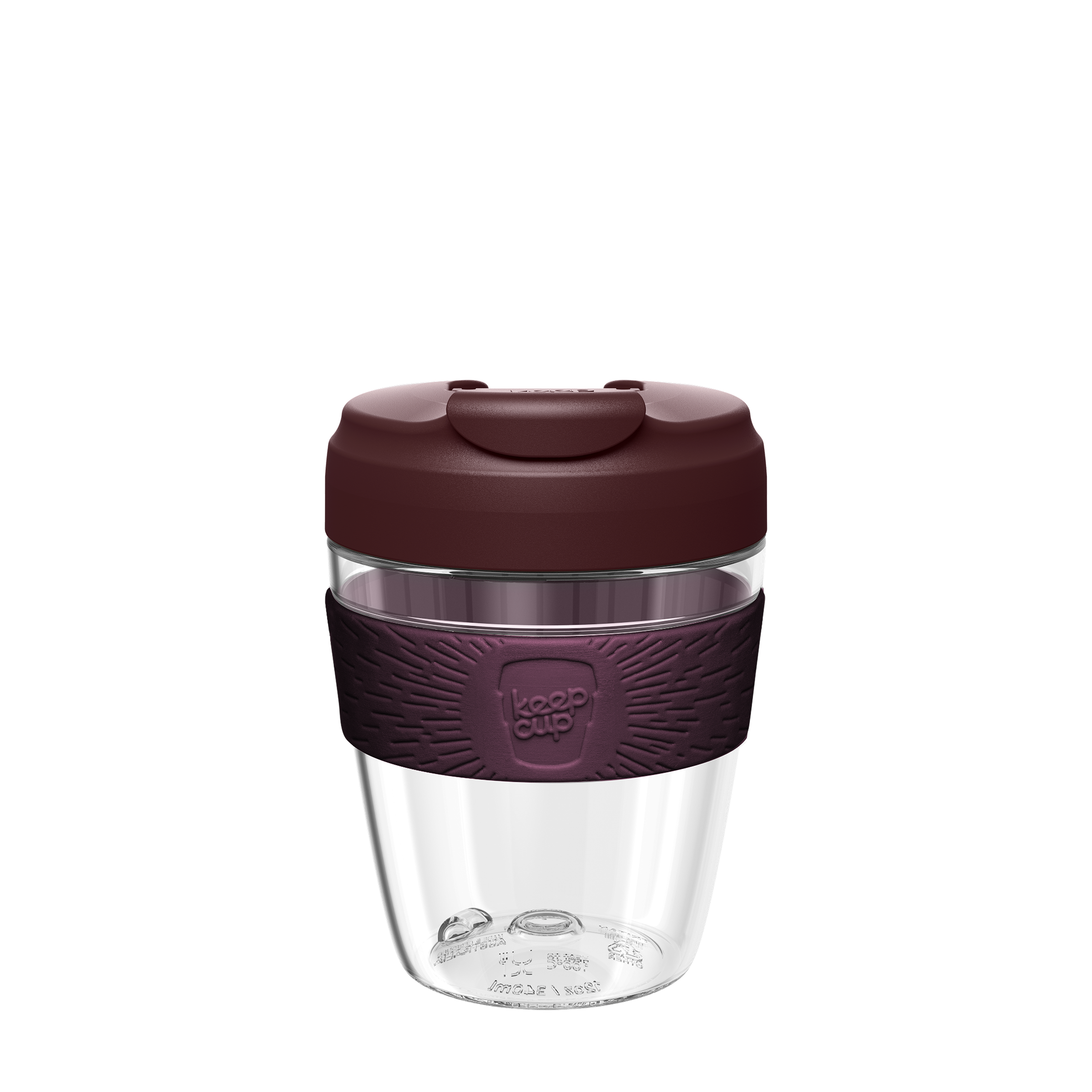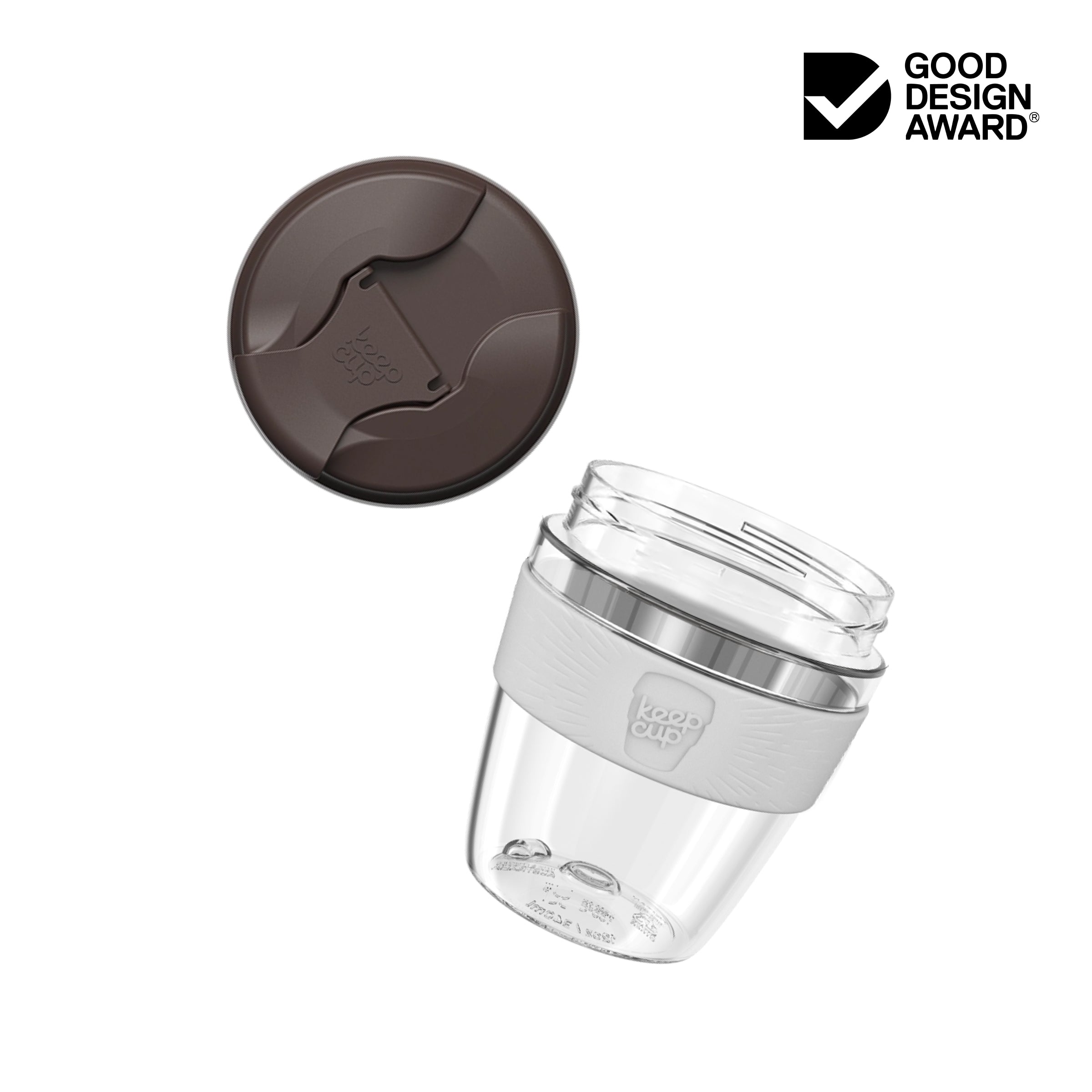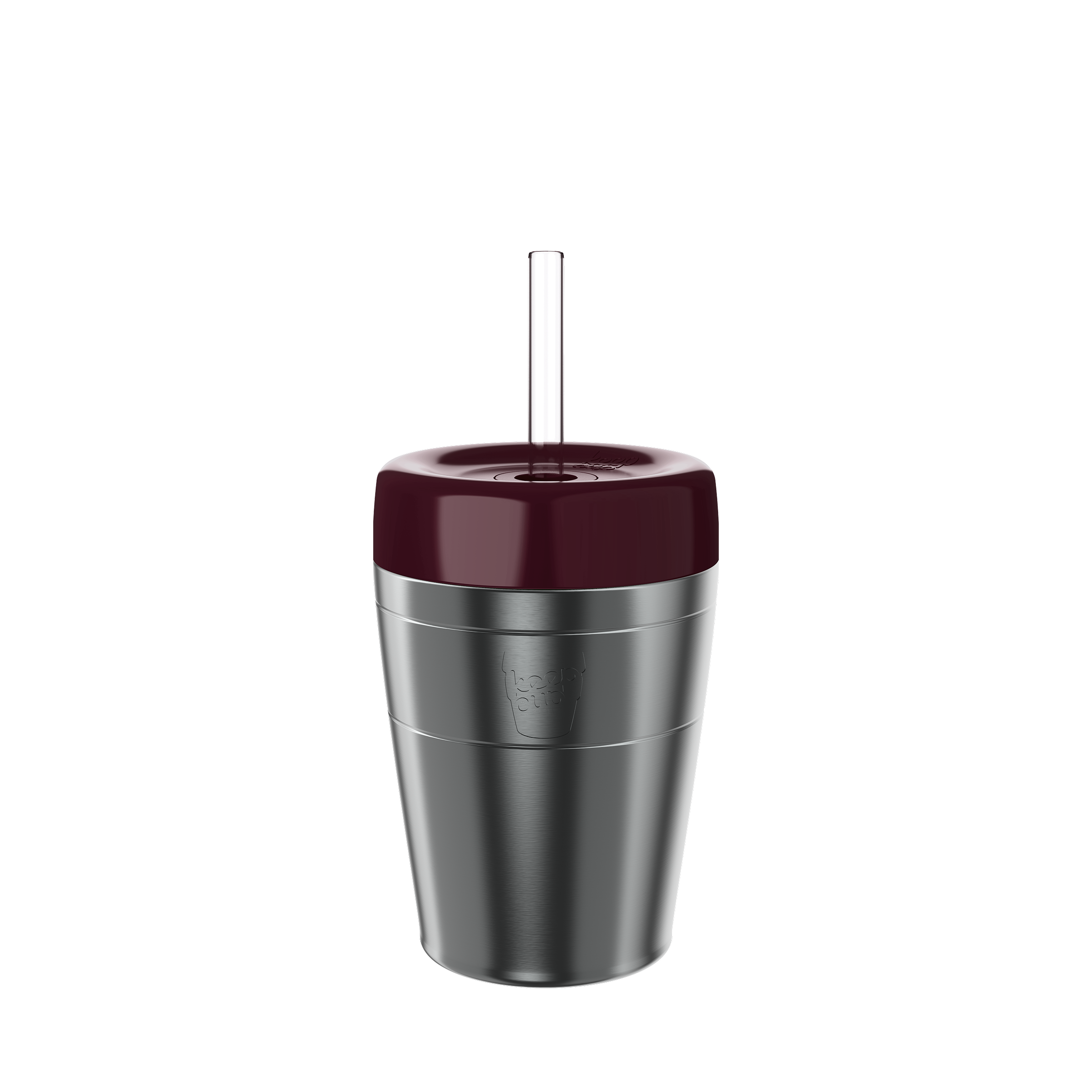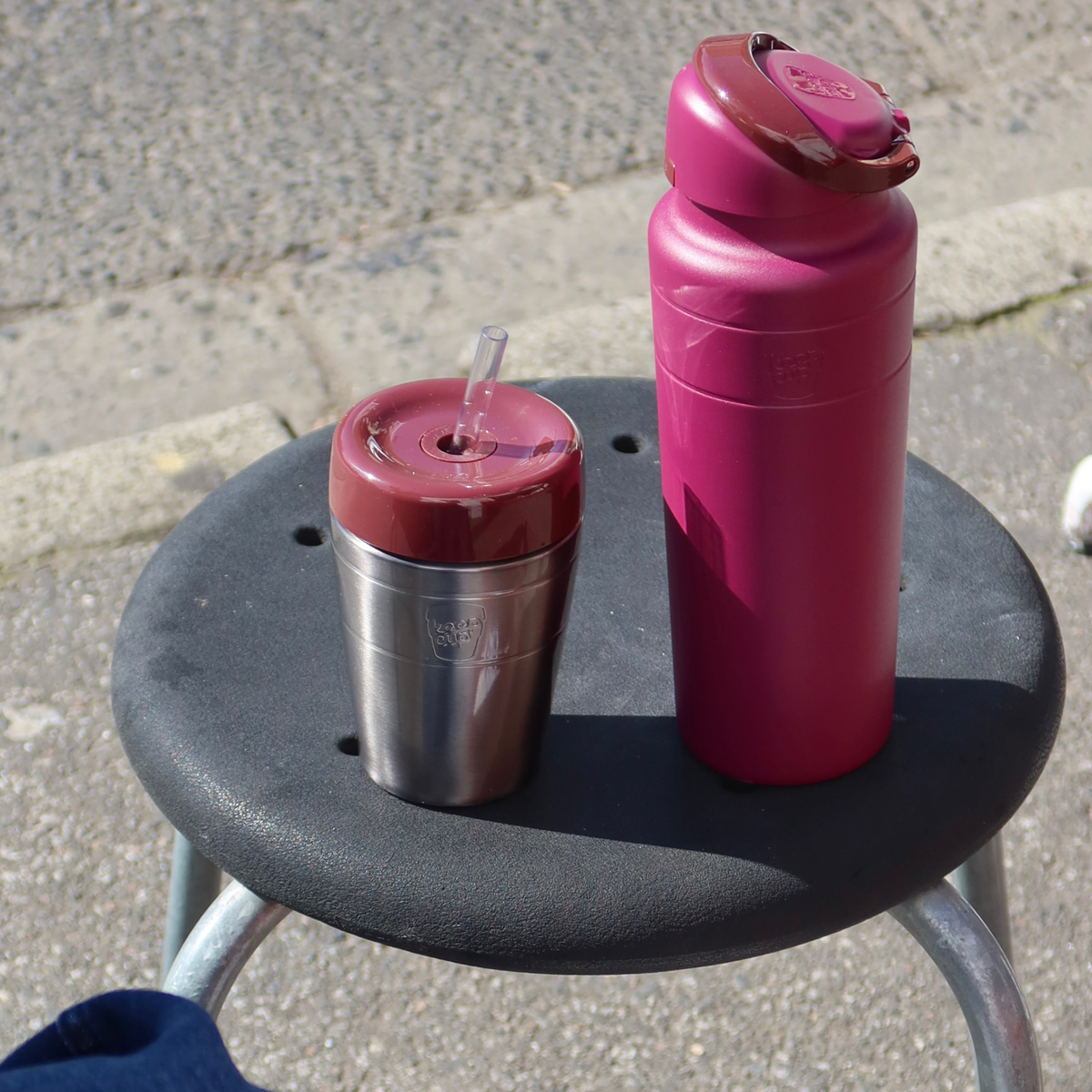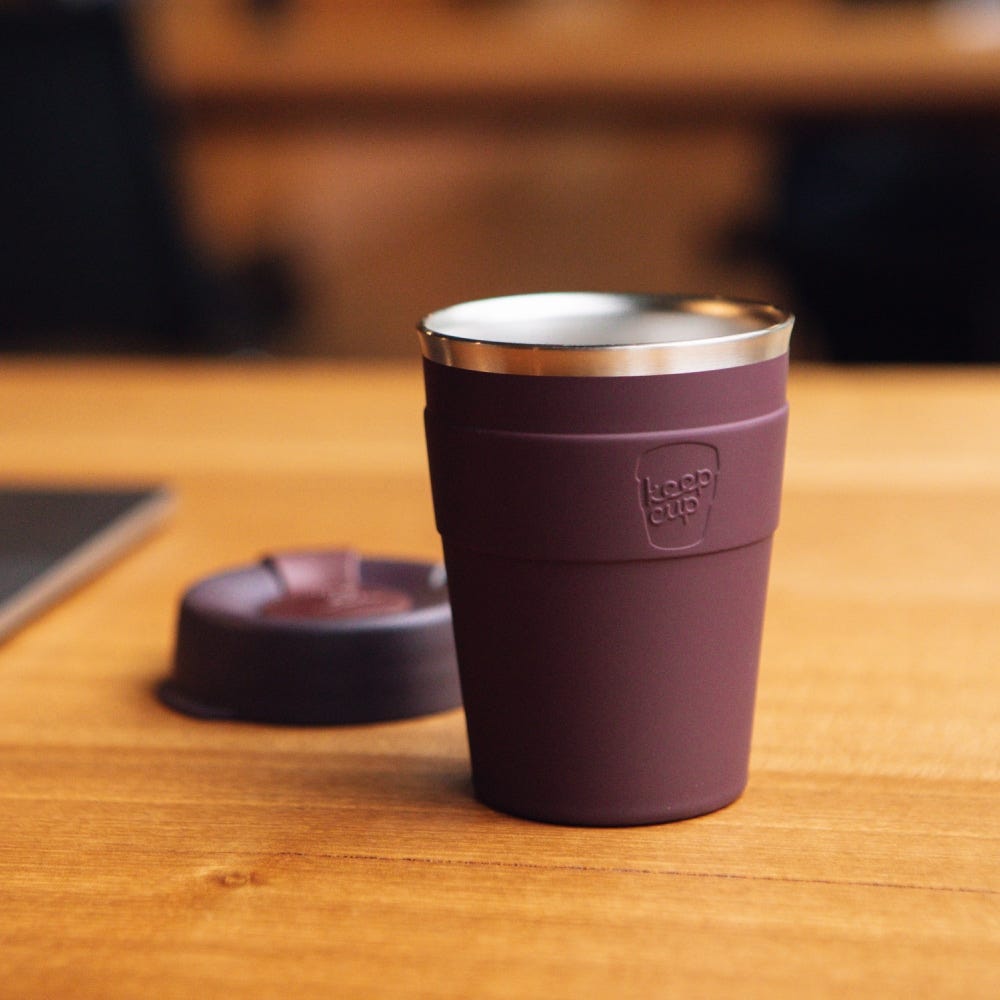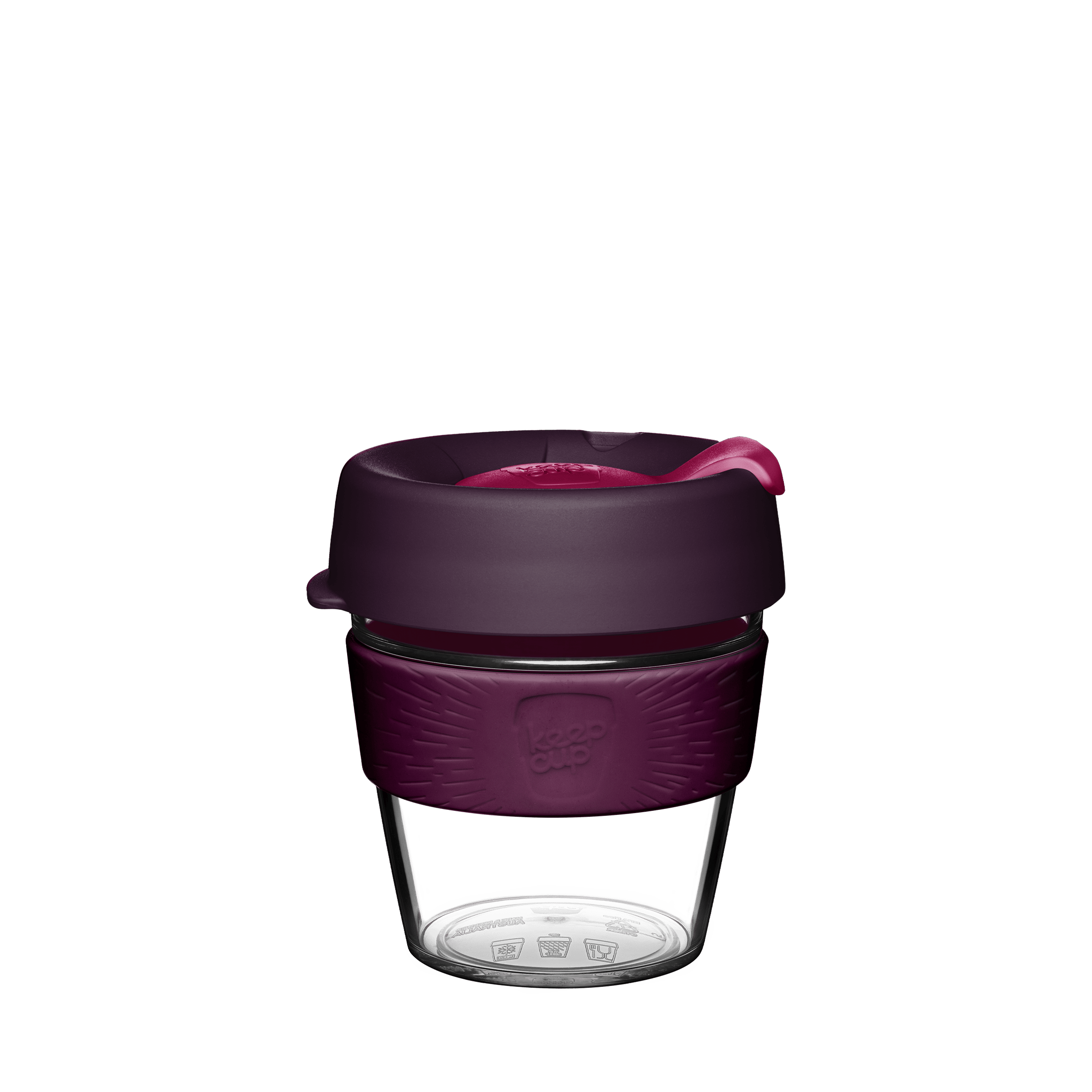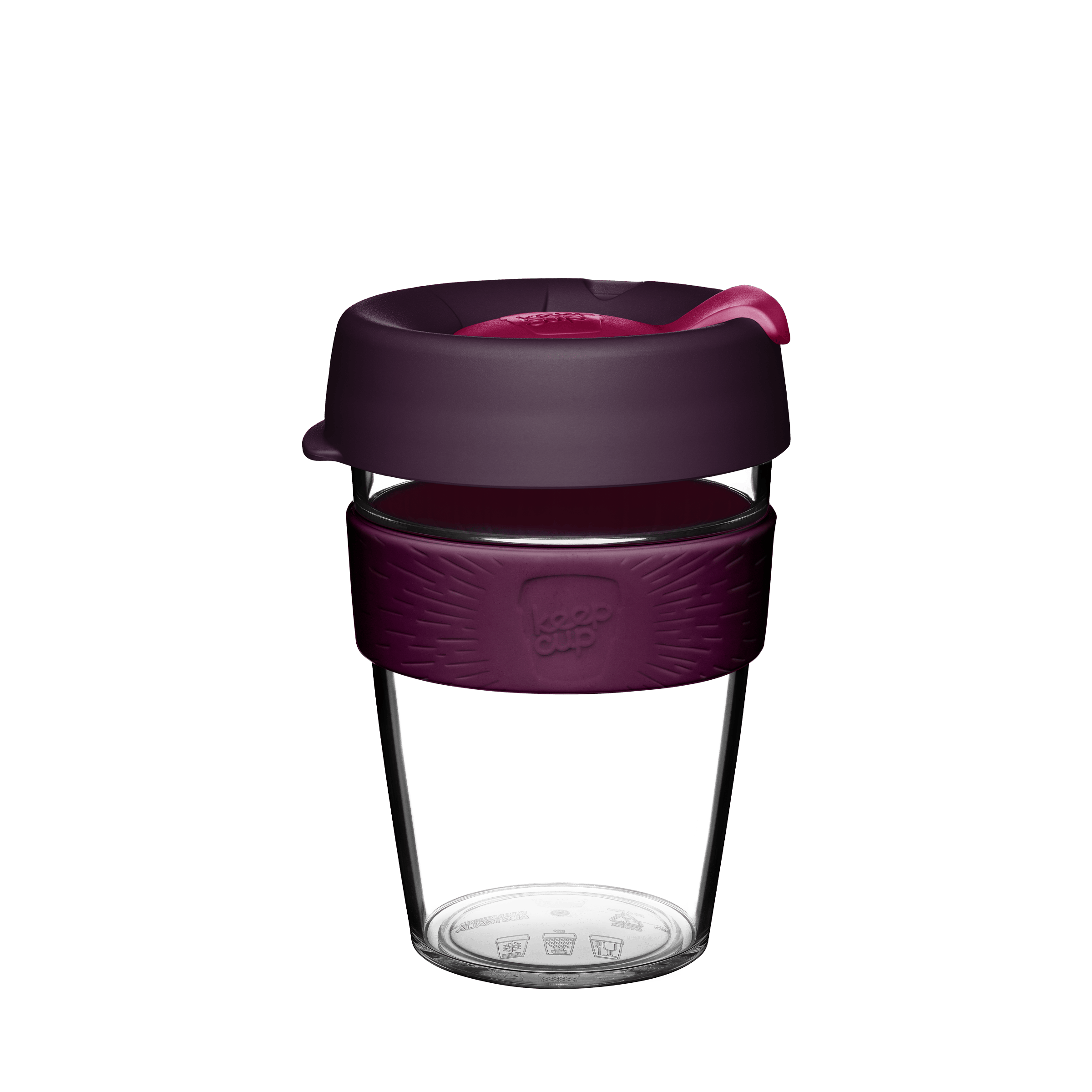
Mulberry looks good on everything. Our most-loved Ora colour has made its way across the KeepCup range. From coffee and cold drinks to lunch and hydration.
4.6
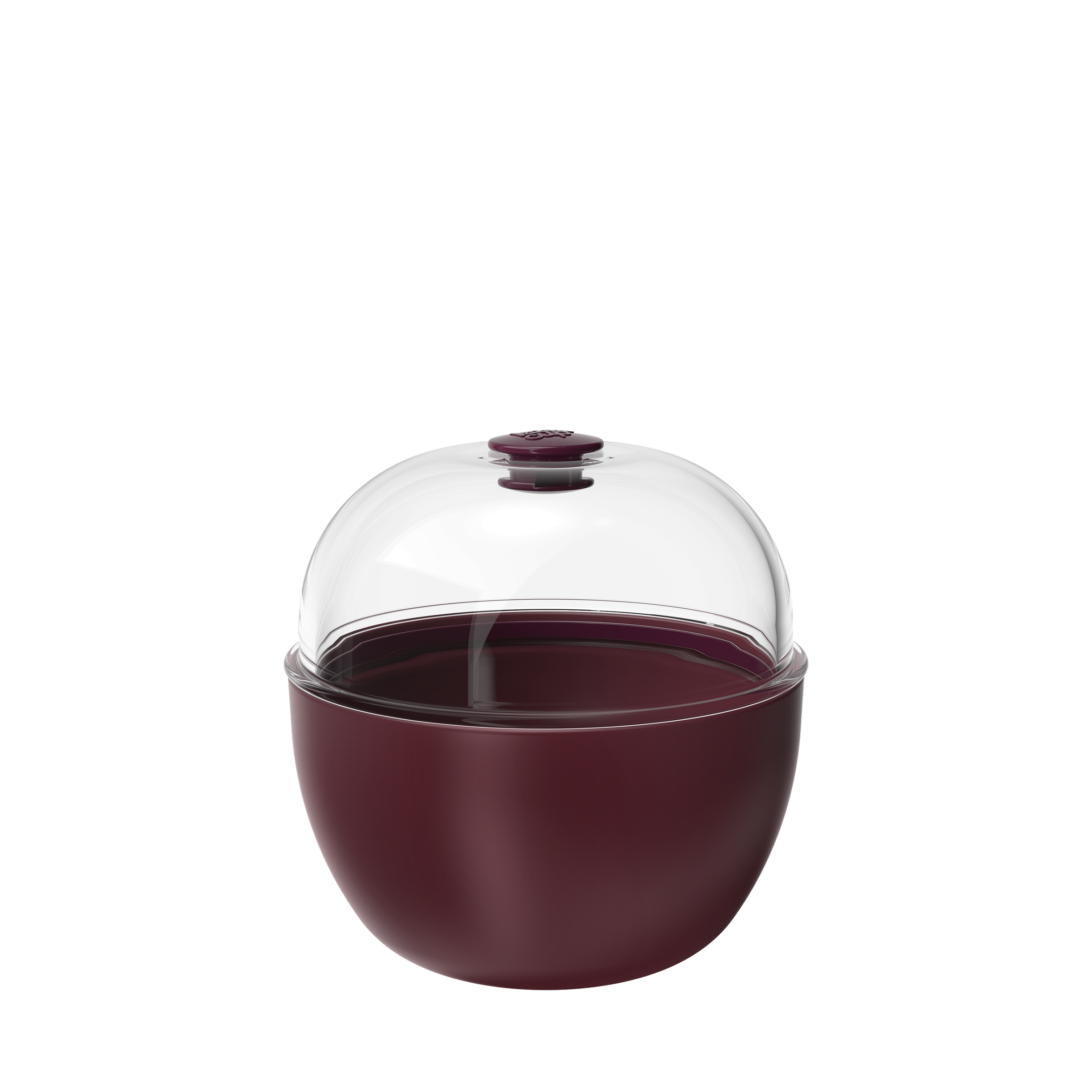
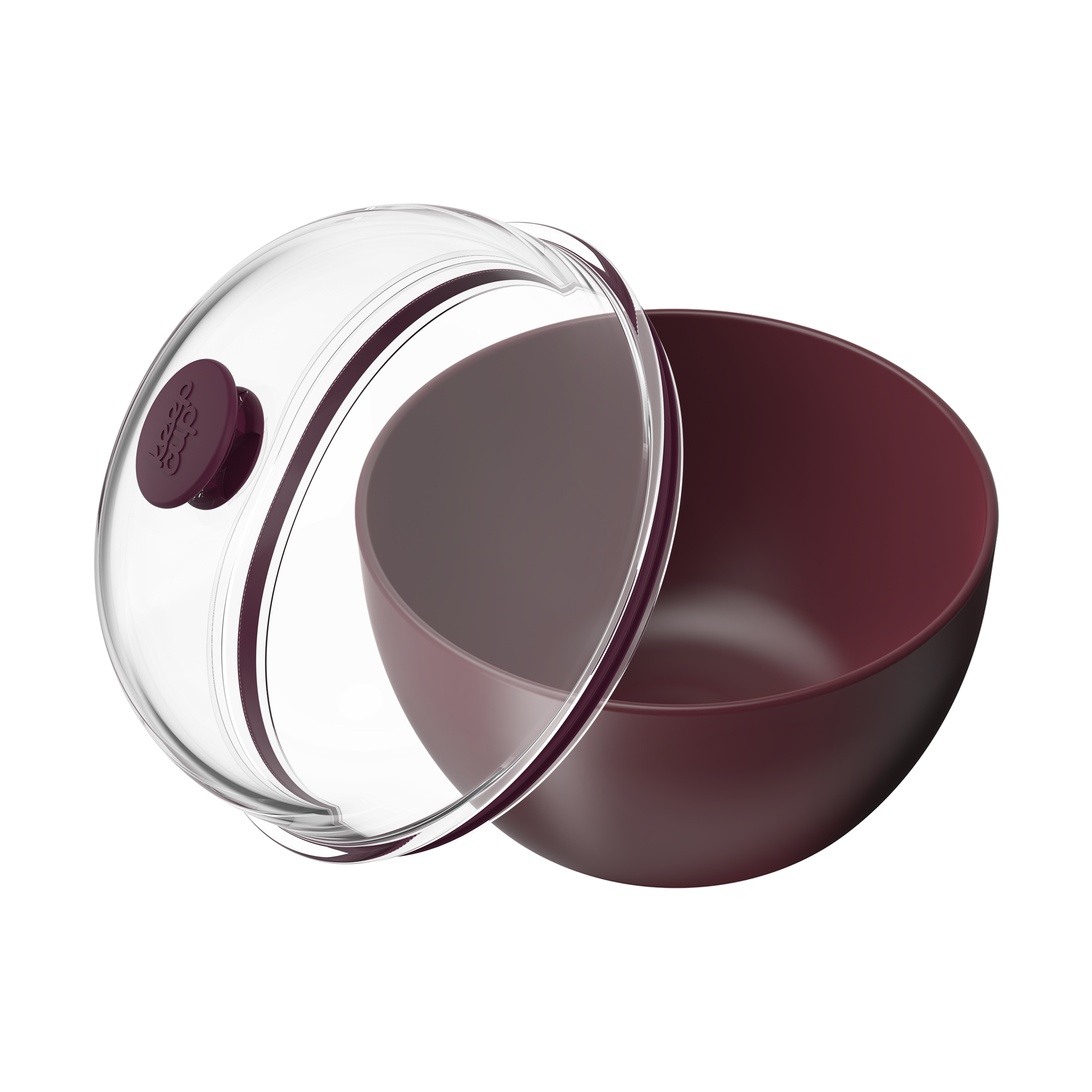
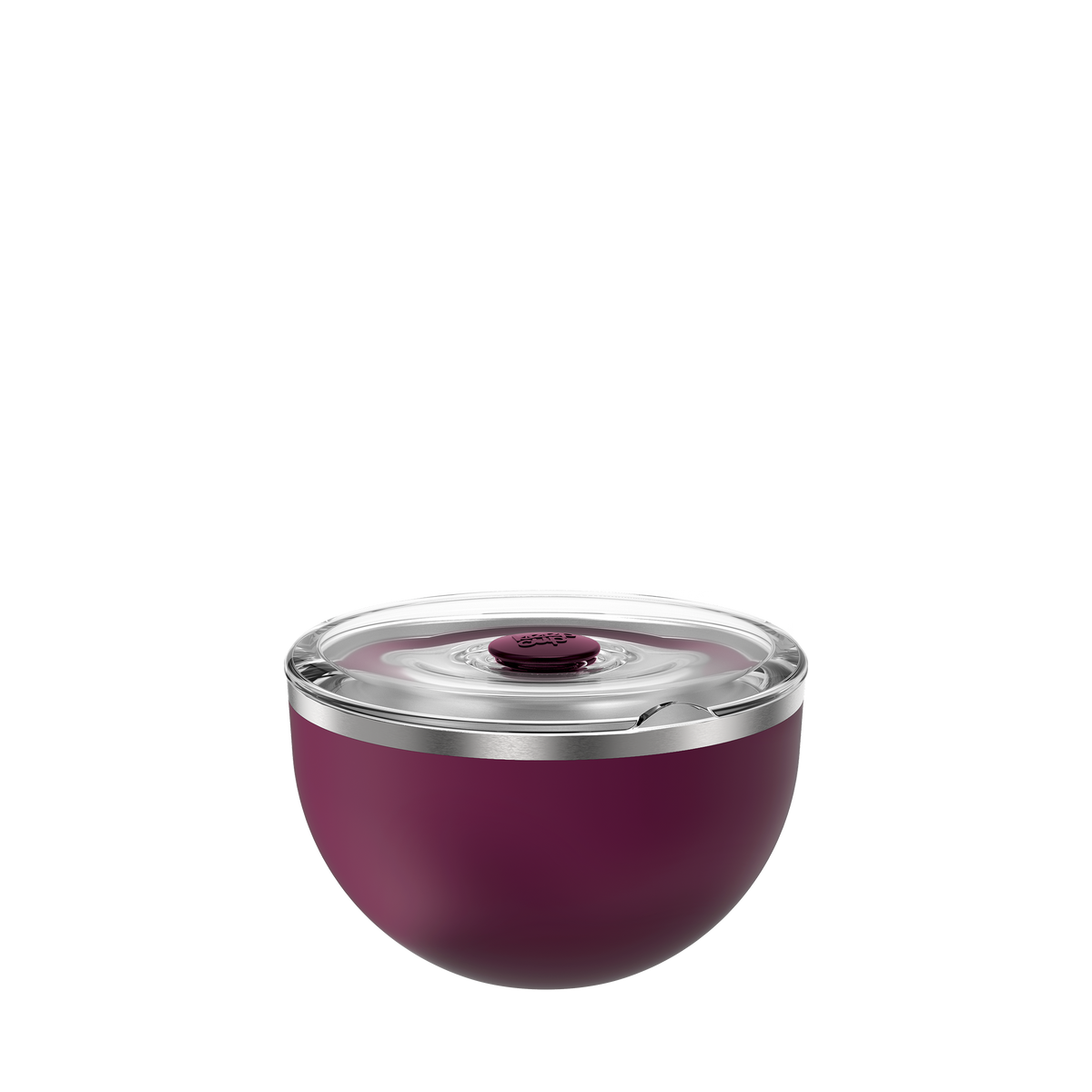
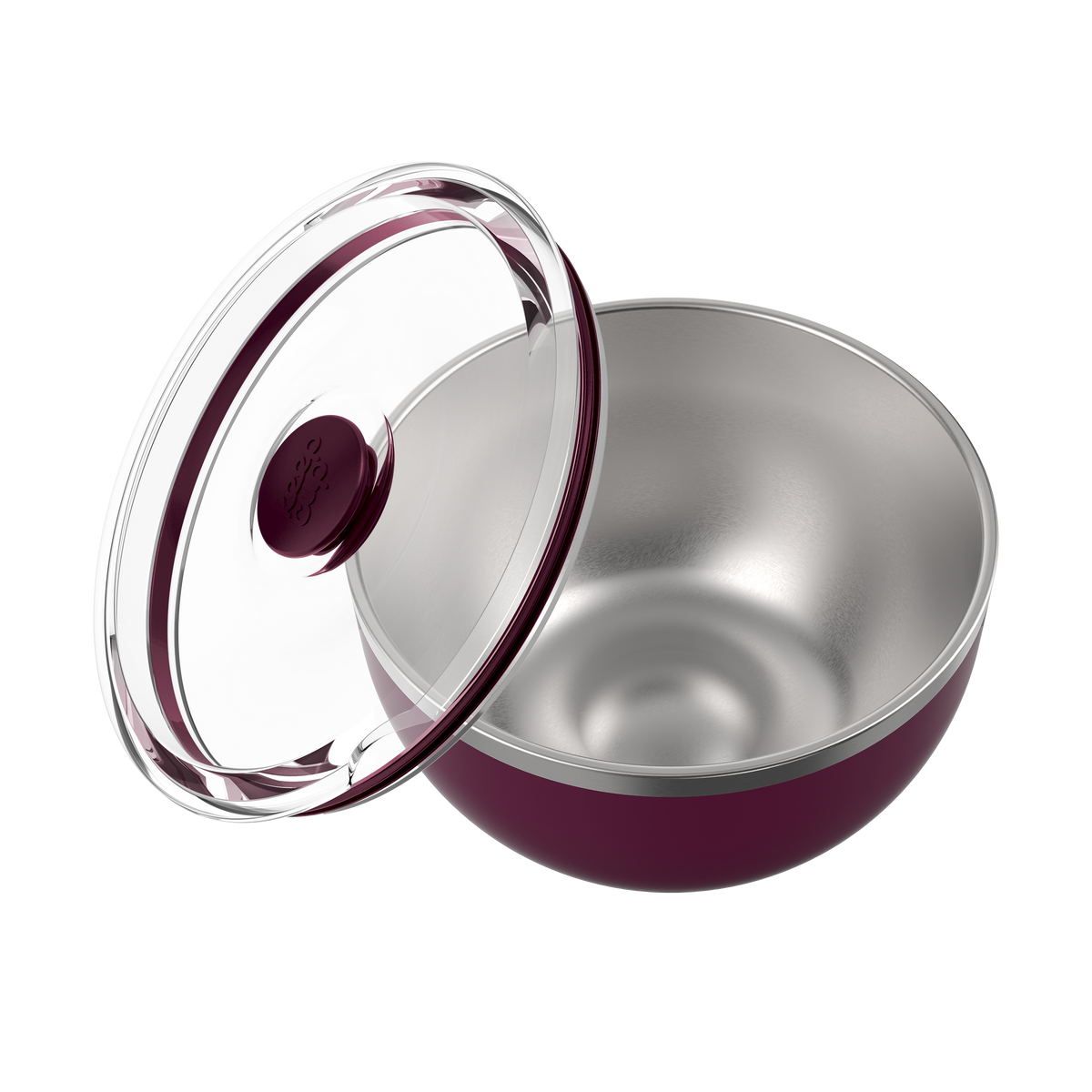
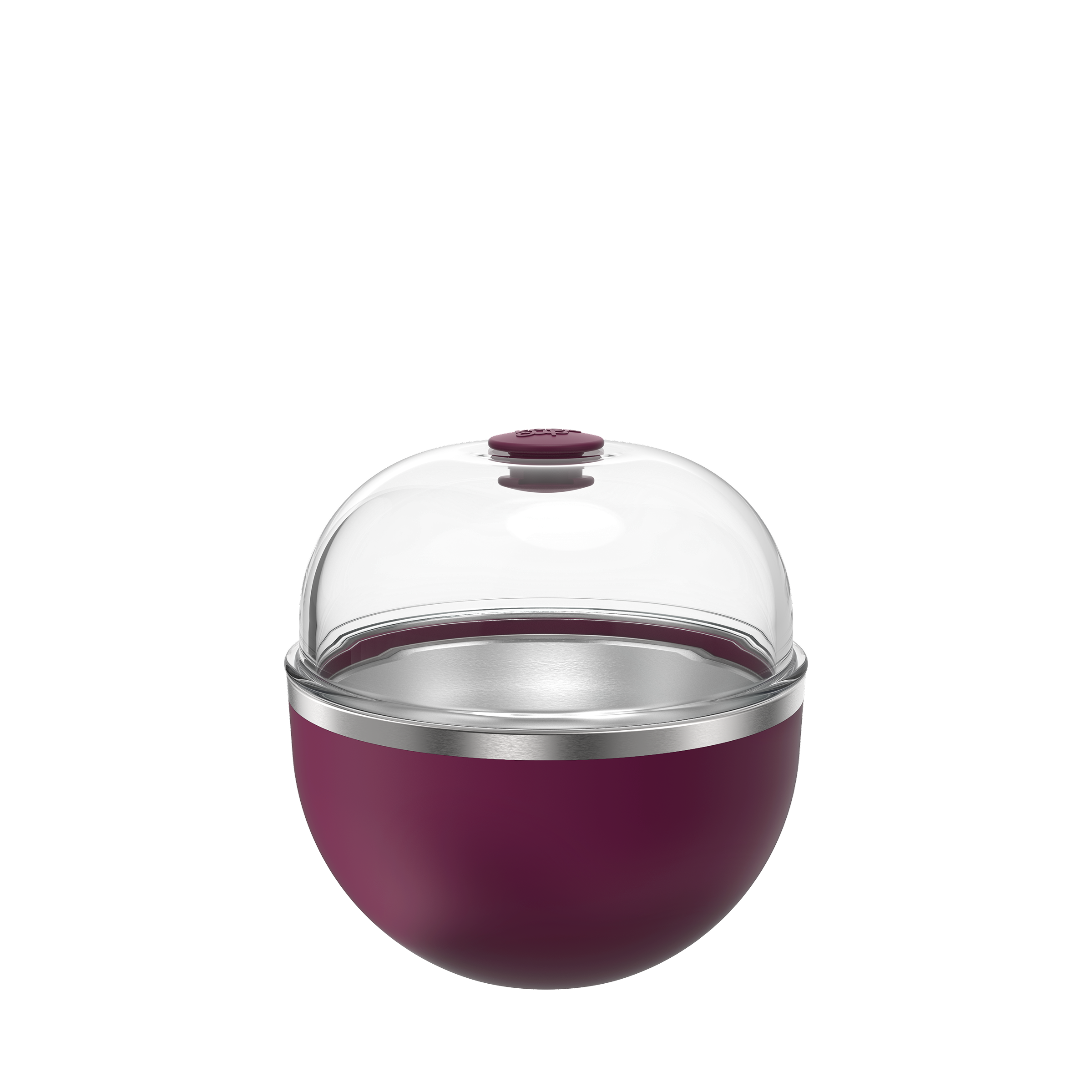
KeepCup Go Bowl Luxe with Dome Lid in Mulberry, featuring a deep plum-coloured stainless steel base with silver rim and clear domed lid with matching Mulberry press-fit closure, shown against a white background.
4.8
LEAKPROOF
Commuter Insulated Travel Cup - 12oz | Mulberry
4.8
LEAKPROOF
Commuter Insulated Travel Cup - 8oz | Mulberry
4.6
Go Bowl Original - M 550ml | Mulberry
4.0
LEAKPROOF
Commuter Leakproof Cup - 12oz | Mulberry
LEAKPROOF
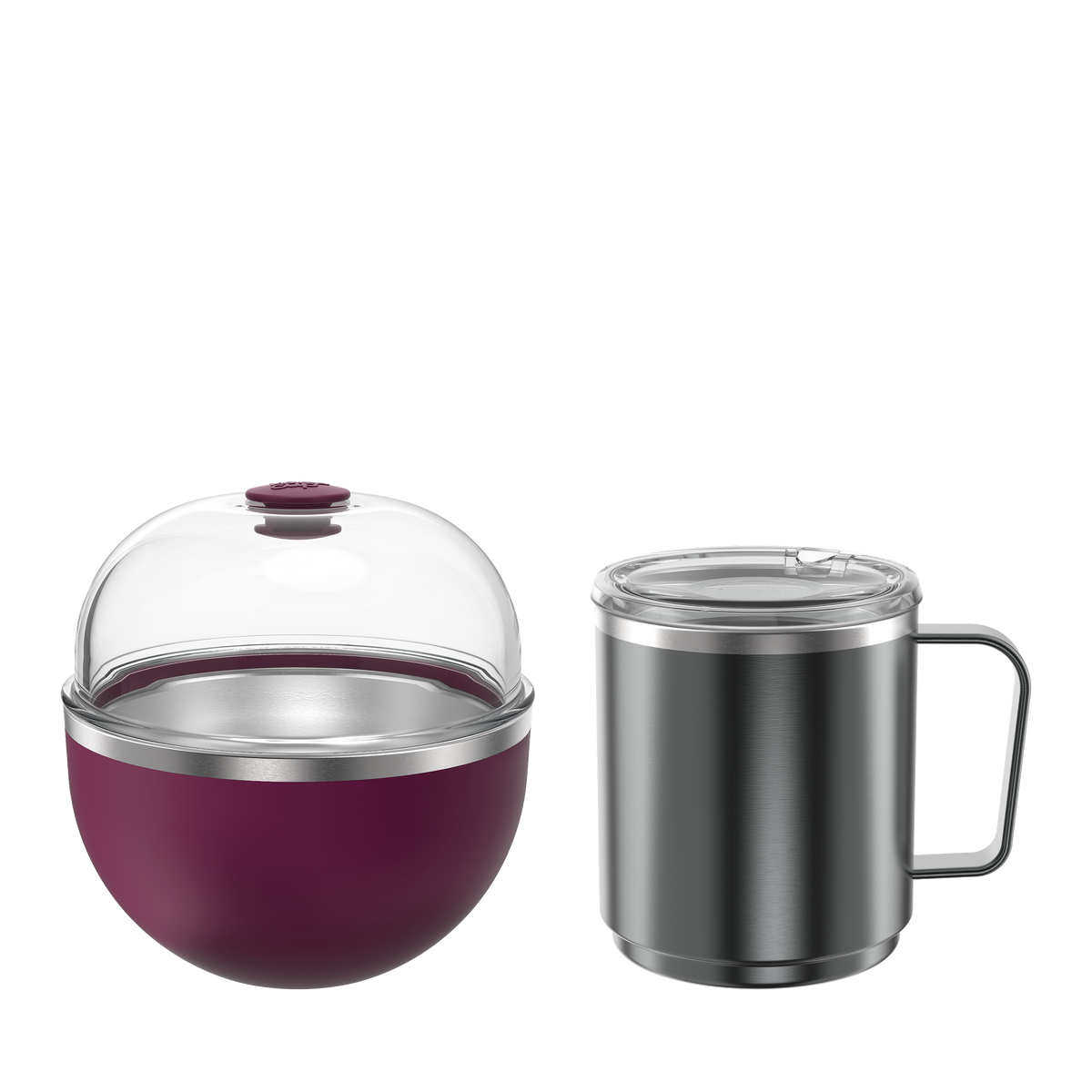
All Day Everyday Light Bundle | Mulberry
4.7
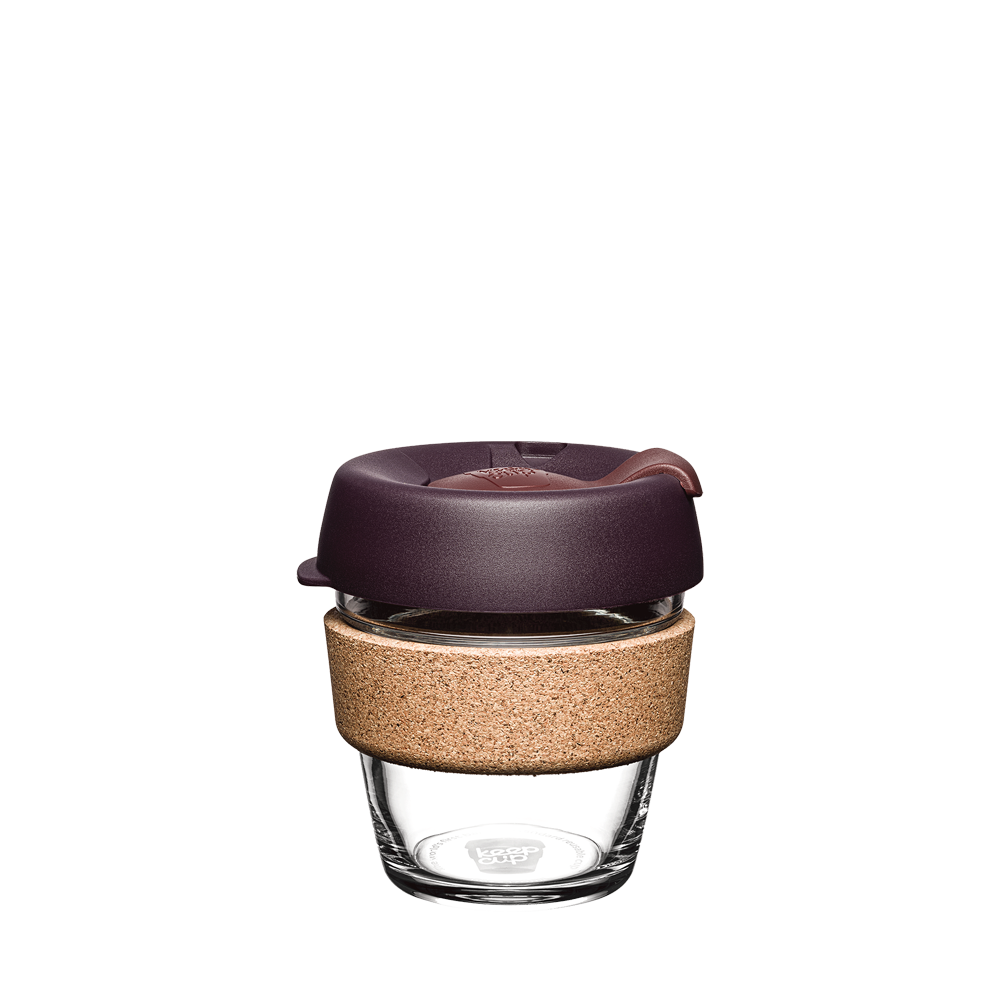
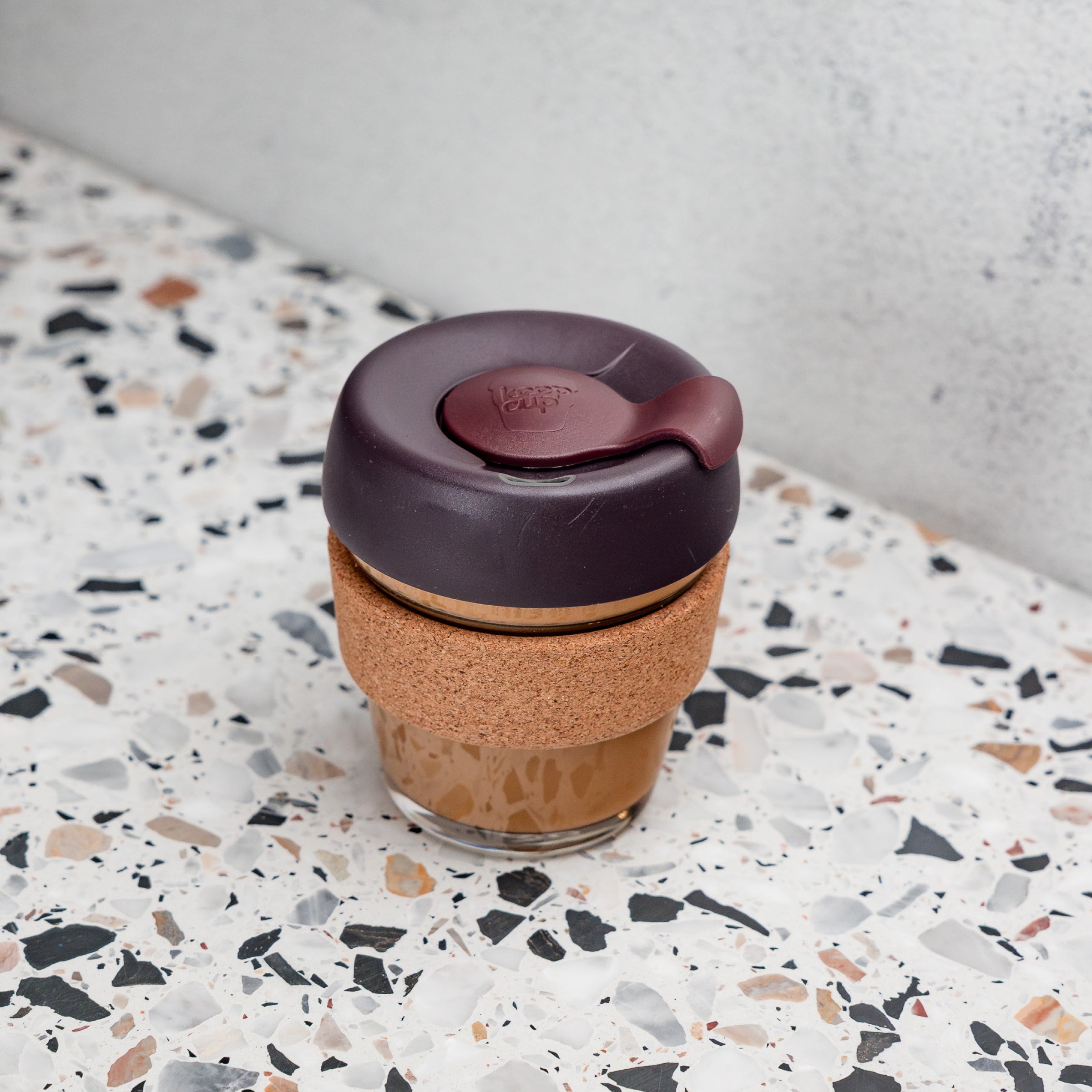
KeepCup Brew Cork XS 6oz in Alder colour, featuring a clear tempered glass cup with natural cork band and dark plum-coloured lid with sipper, shown against a white background.
4.8
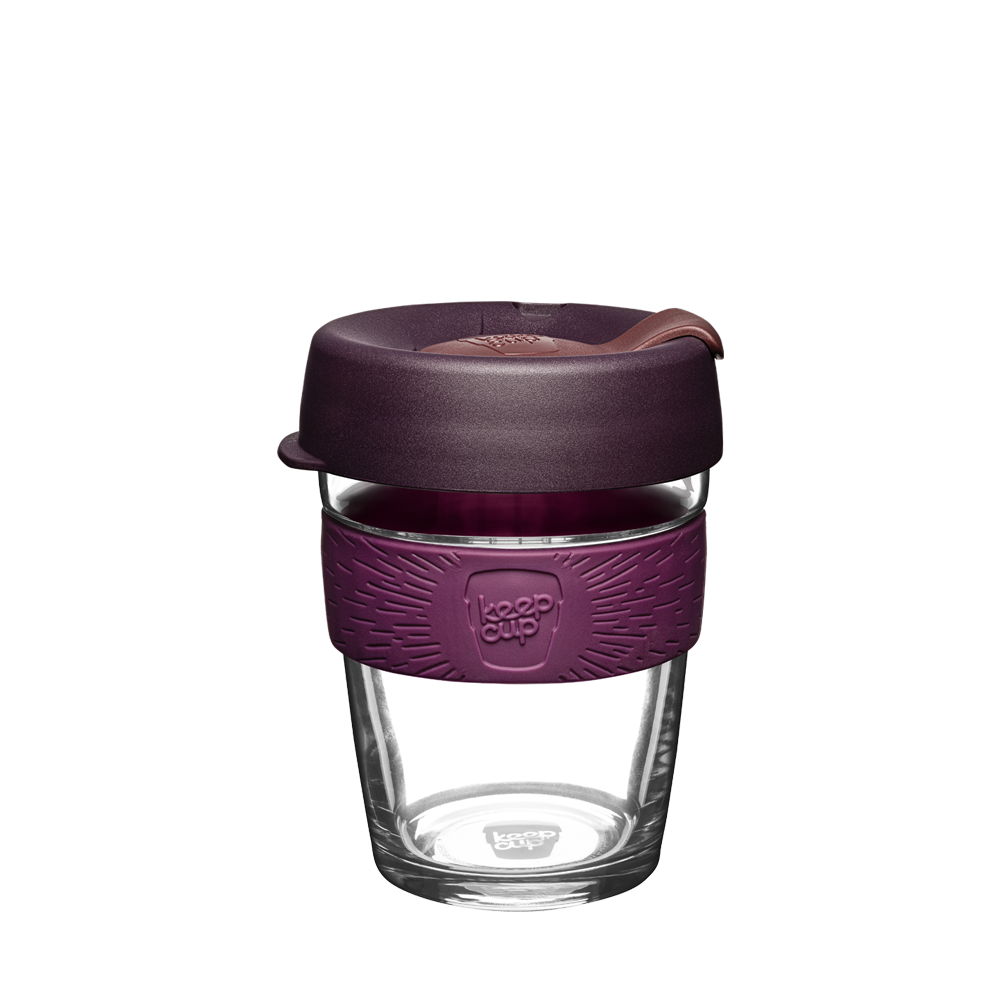
KeepCup Brew M 12oz in Alder, featuring a clear tempered glass cup with a deep plum silicone band and matching dark aubergine lid with sipper, shown against a white background.
4.8
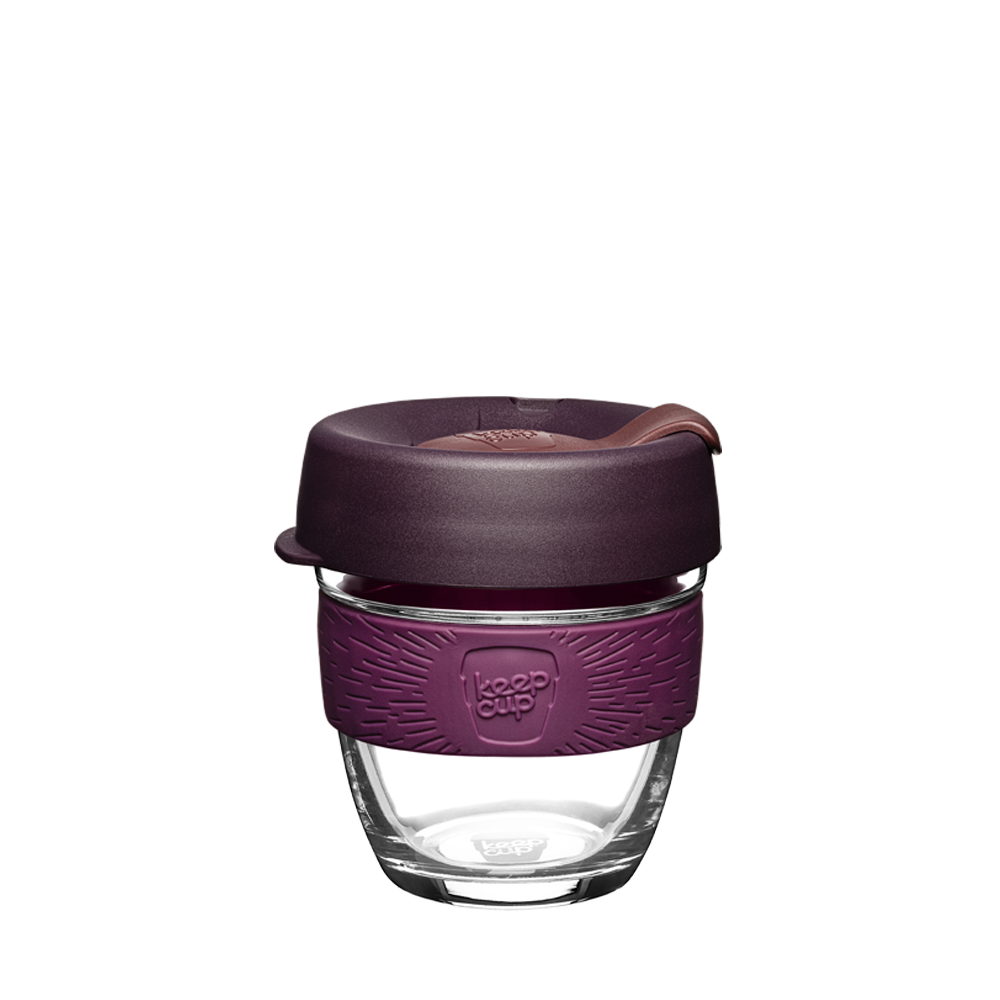
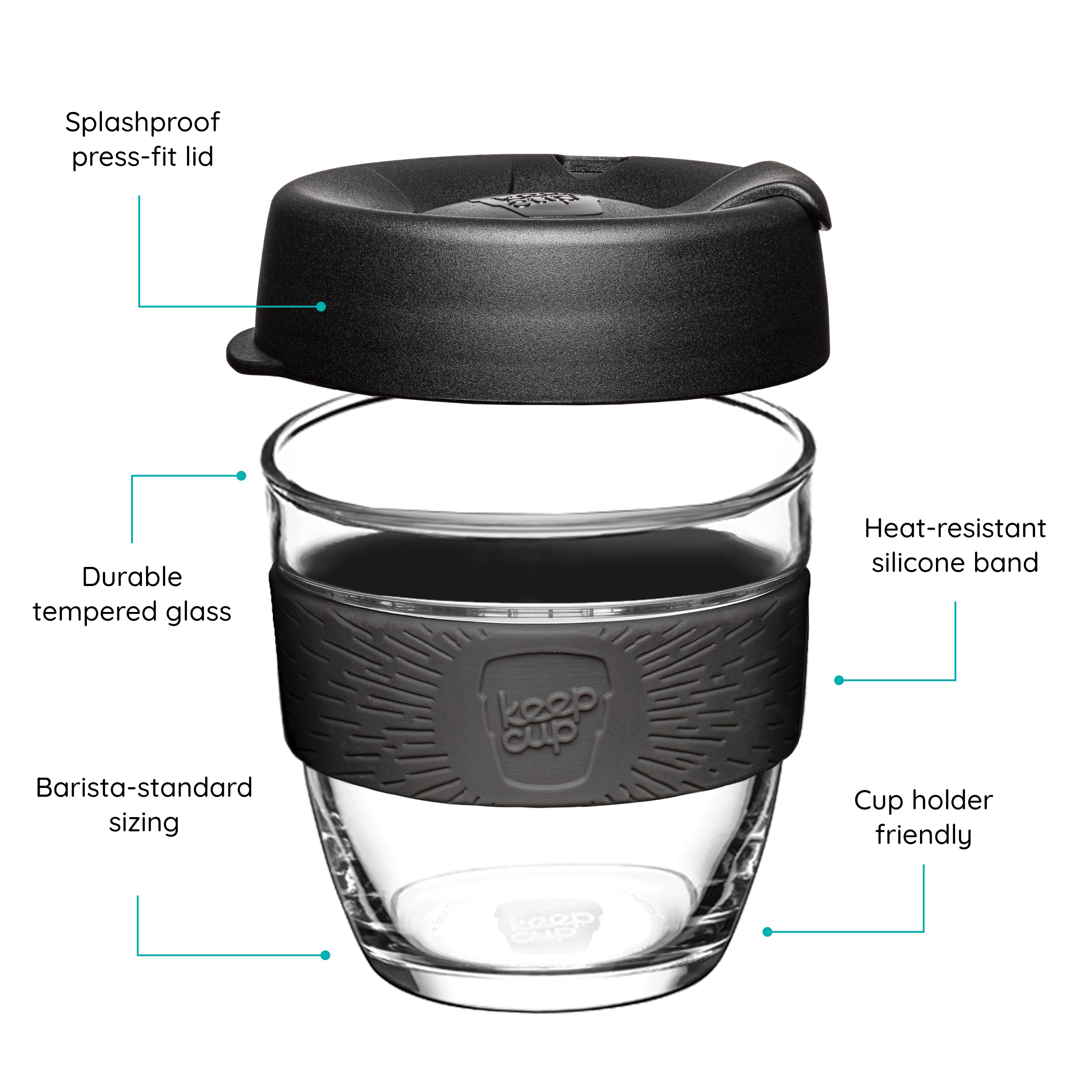
KeepCup Brew S 8oz in Alder colour, featuring a clear tempered glass cup with a deep plum silicone band embossed with the KeepCup logo, and a dark aubergine press-fit lid with a mauve-toned plug, shown against a plain white background.
4.8
KeepCup Brew XS 6oz in Alder, featuring a clear tempered glass cup with a deep plum silicone band and matching dark purple lid with sipper opening, shown against a white background.
4.6
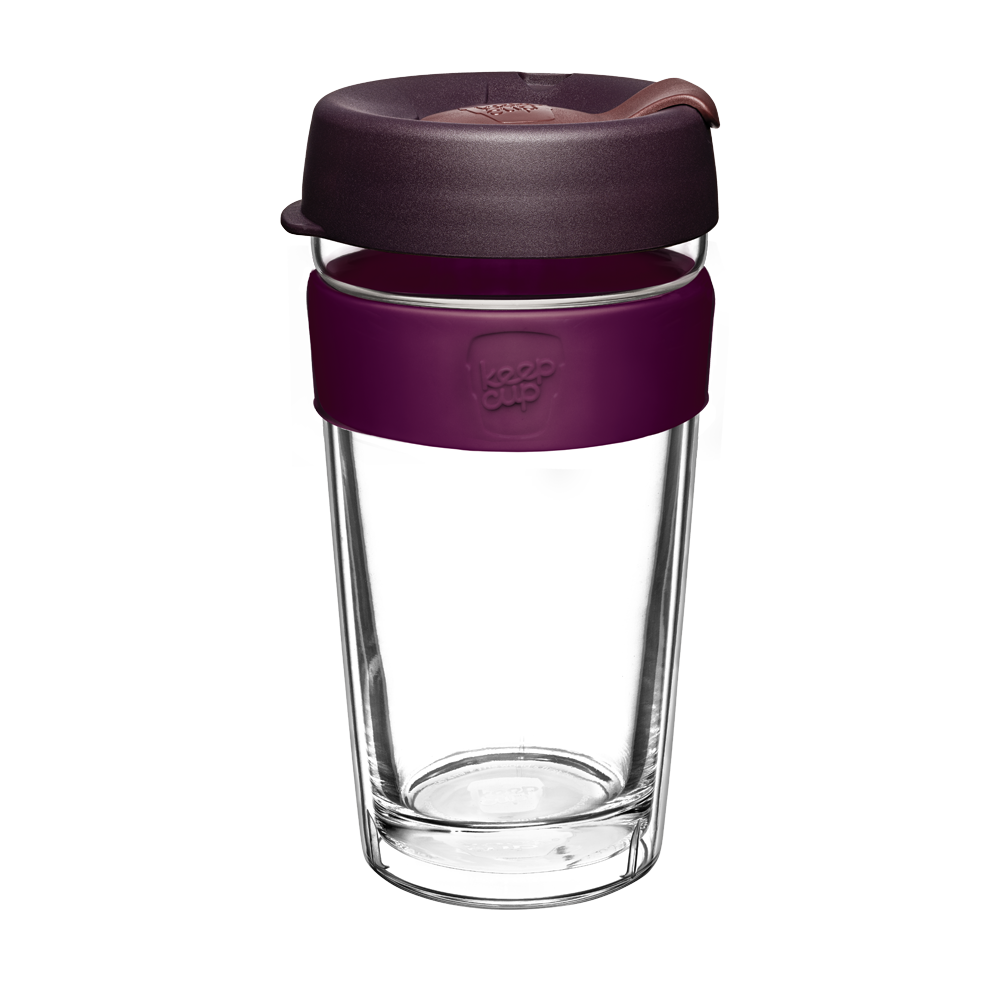
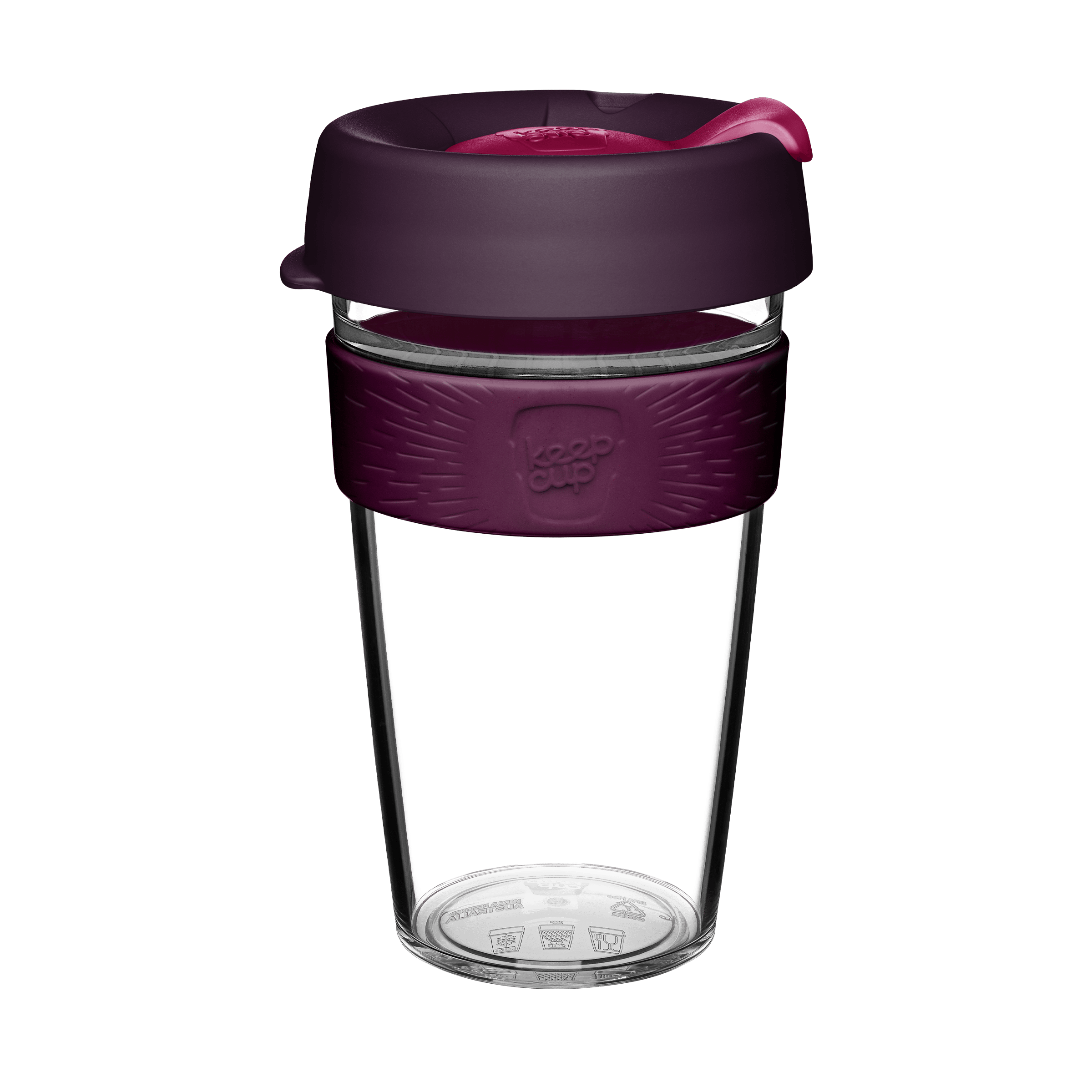
KeepCup Brew Longplay in Alder, L 16oz size, shown in a front-facing product shot featuring a clear double-walled glass cup with a deep plum silicone band and matching dark aubergine lid with sipper closure.
4.6
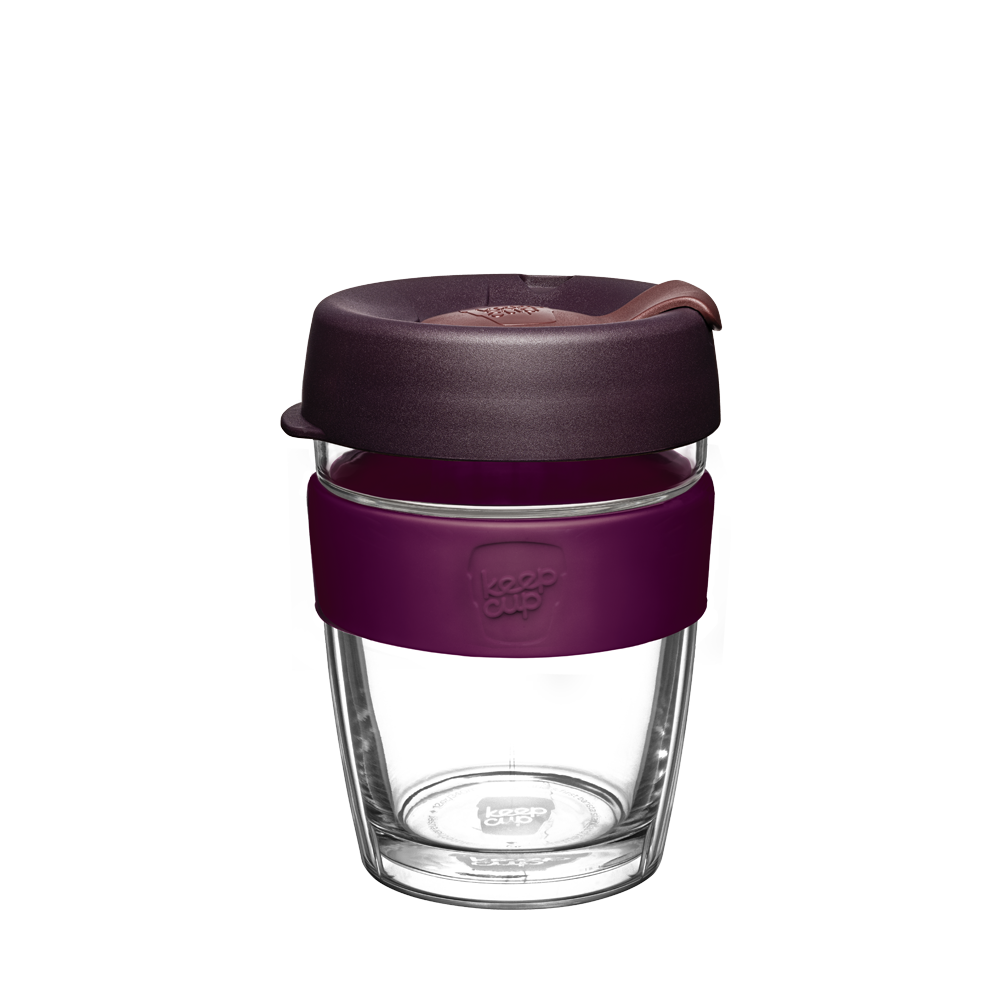
KeepCup Brew Longplay in Alder, medium 12oz size, featuring a clear double-walled glass cup with deep plum silicone band and matching dark purple lid with sipper closure, shown against a white background.
4.6
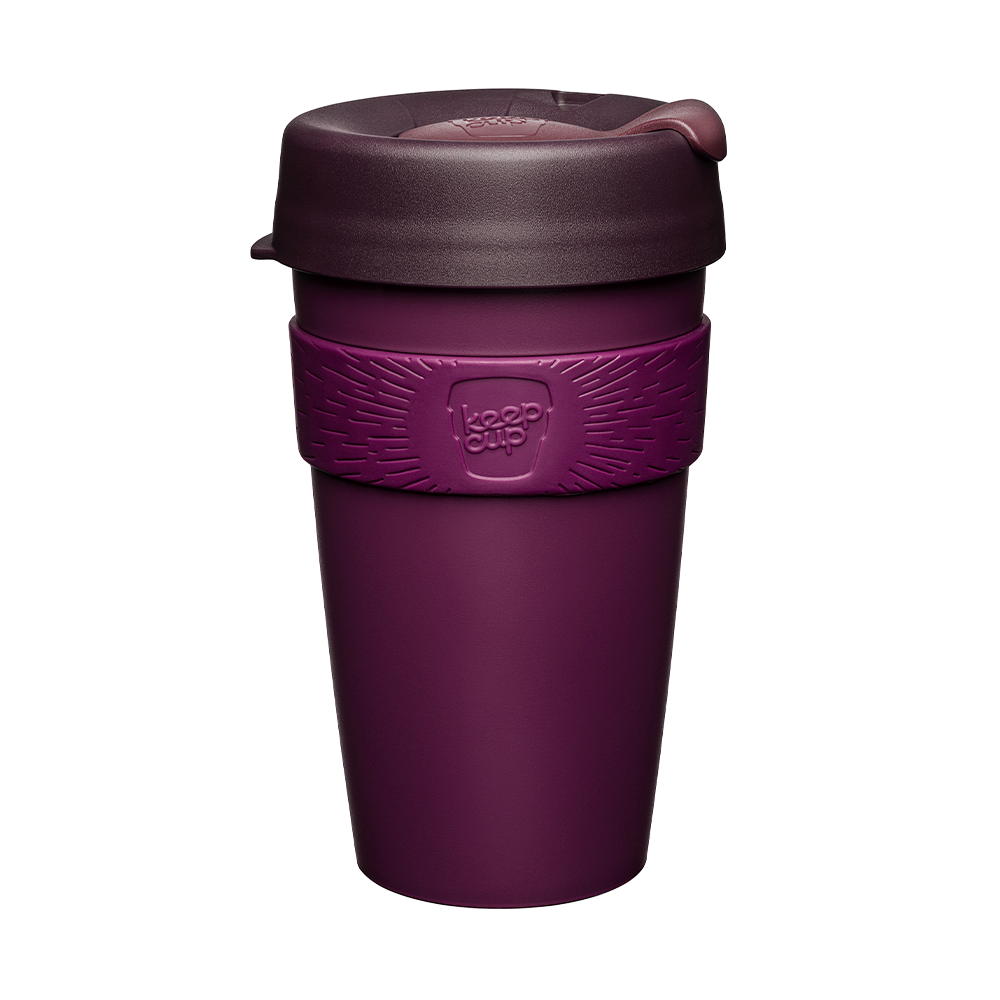
KeepCup Original L 16oz in Alder, featuring a deep plum-coloured reusable cup with matching silicone band and darker lid, shown against a plain white background.
4.6
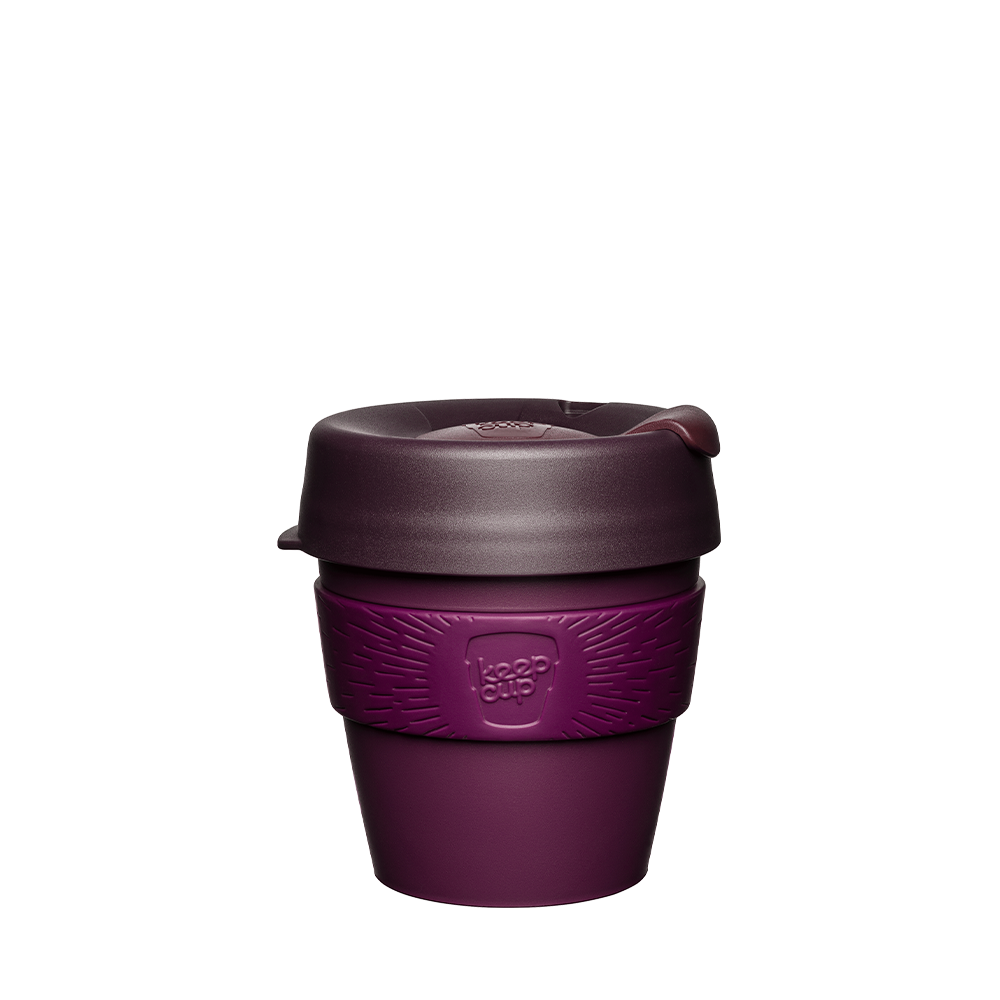
KeepCup Original S 8oz in Alder, featuring a deep plum-coloured cup with a matching purple silicone band and dark aubergine lid, shown against a plain white background.
4.6
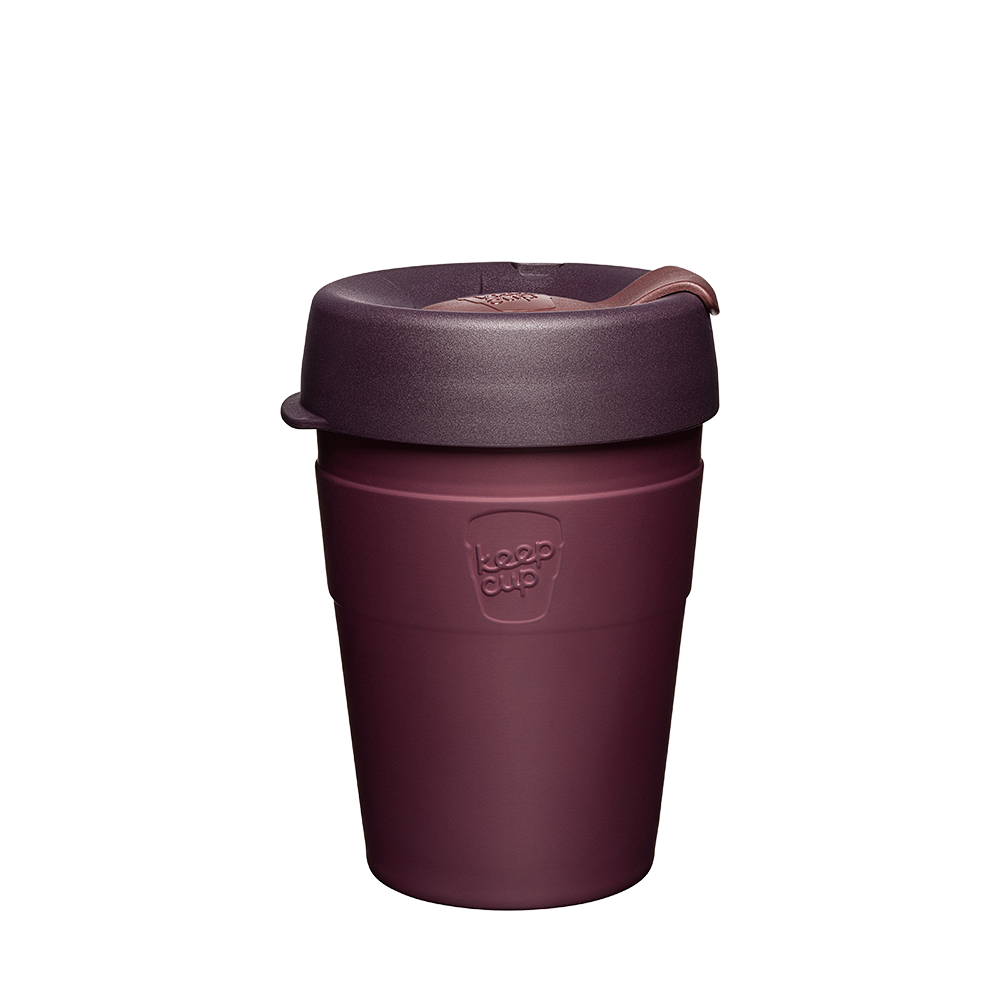
KeepCup Thermal M 12oz in Alder, featuring a deep burgundy stainless steel cup body with a darker plum-coloured lid and sipper, shown against a plain white background.
4.4
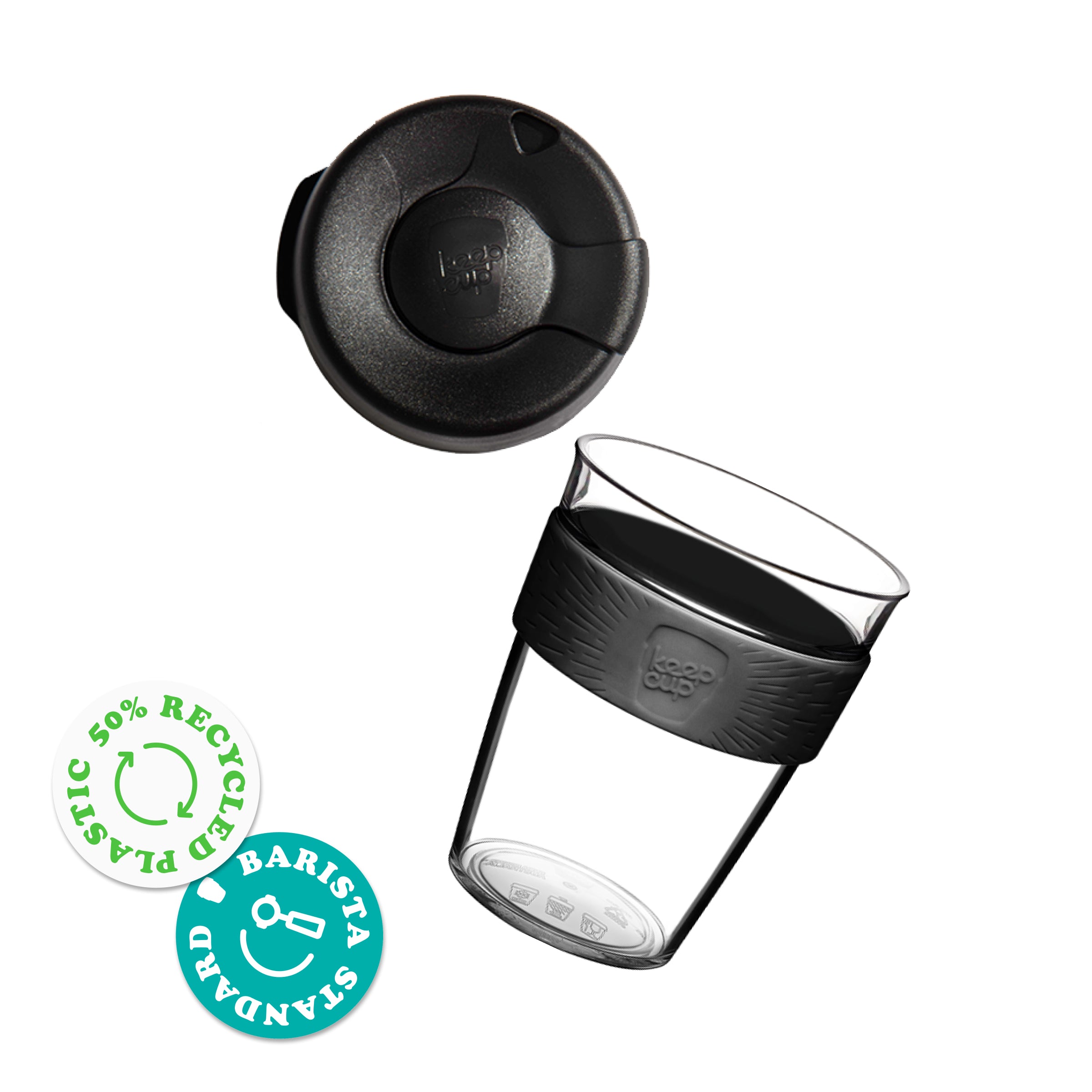
50% RECYCLED PLASTIC
KeepCup Original Clear S 8oz in Alder, featuring a clear tritan cup with deep plum silicone band and matching dark purple lid with pink sipper plug, shown against a white background.
4.4
50% RECYCLED PLASTIC
KeepCup Original Clear M 12oz in Alder, featuring a clear reusable plastic cup with a deep plum-coloured lid and matching silicone band, shown against a white background.
4.4
50% RECYCLED PLASTIC
KeepCup Original Clear L 16oz in Alder, featuring a clear tritan cup with deep plum-coloured lid and silicone band, shown against a white background with the pink sipper plug visible.
4.7
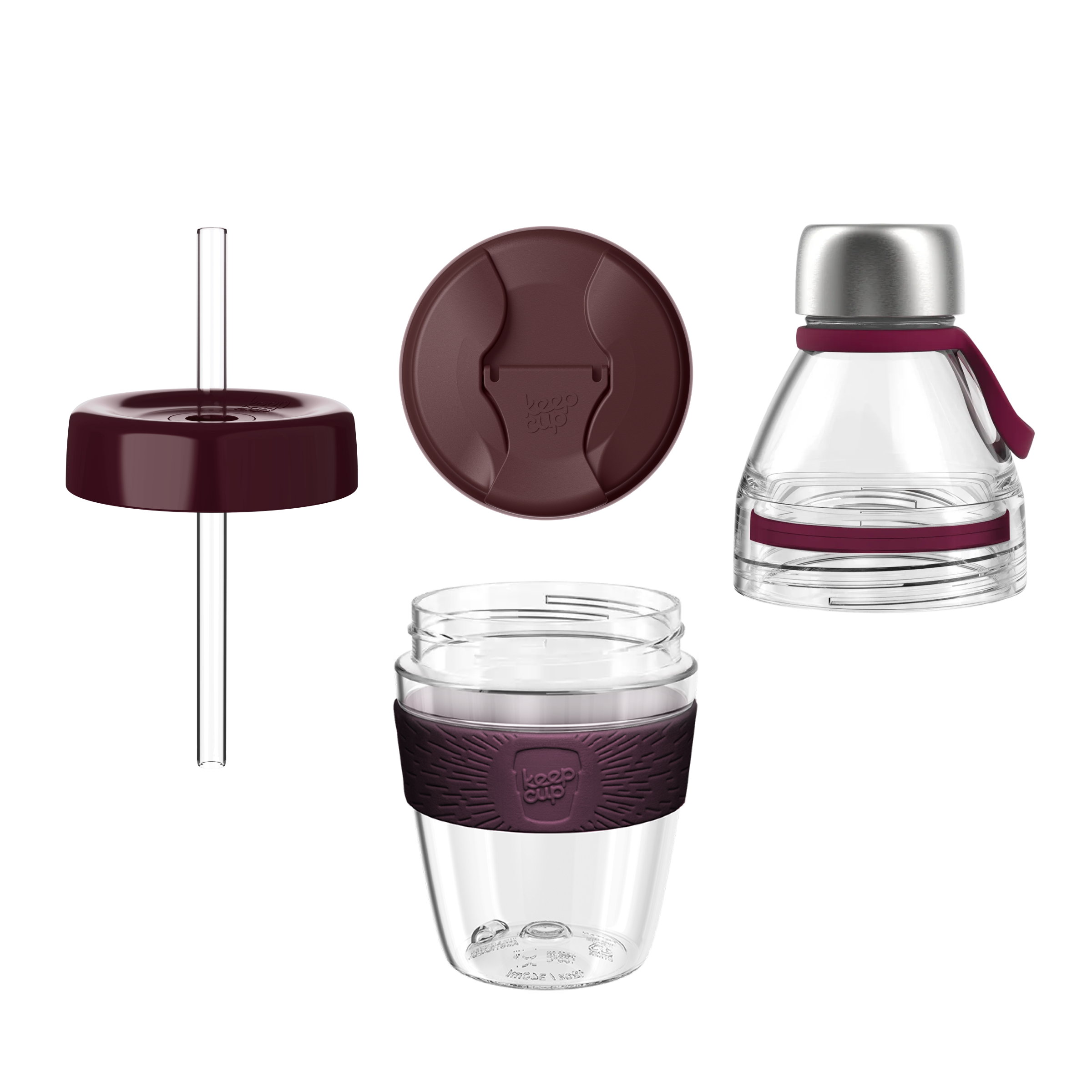
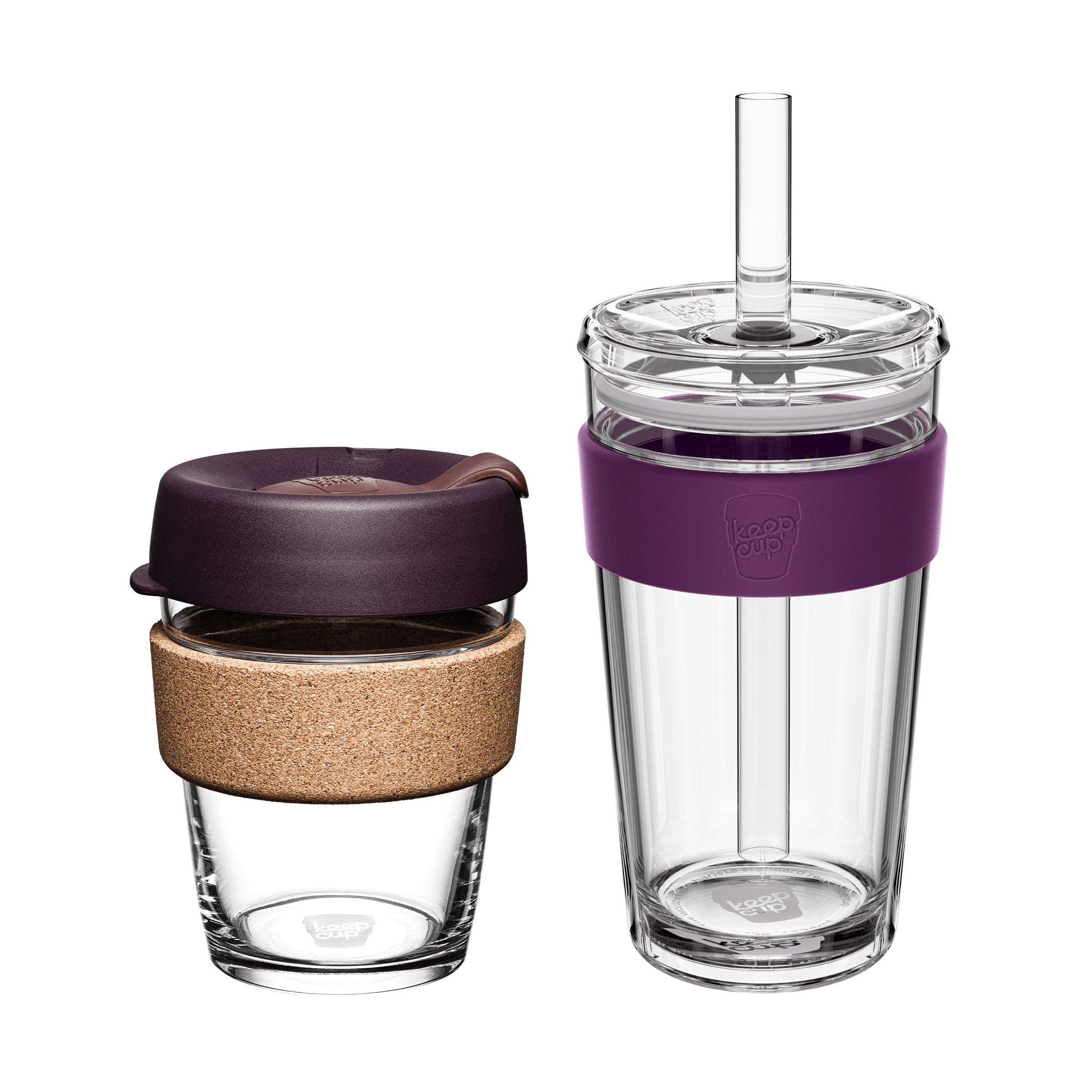
KeepCup Booked & Busy Alder set featuring two reusable cups: a smaller glass KeepCup with cork band and dark plum lid, alongside a larger clear double-walled tumbler with purple silicone band, clear lid and straw, shown on a white background.
4.6
Go Bowl Luxe - Flat Lid | Mulberry
Go Far Bundle | Mulberry Nitro
Why are cafés moving away from single-use cups?

Because the cost of single-use is starting to arrive on invoices, and the direction of travel is clear.

Overseas, Extended Producer Responsibility is already reshaping the maths. The EU’s Packaging and Packaging Waste Regulation came into force in August 2026, making producers pay for what happens to packaging after the sale — collection, sorting, recycling, all of it. Seven US states have enacted their own packaging EPR laws, with early estimates putting fee exposure close to 1% of sales in each jurisdiction. Nothing equivalent applies in Australia yet, but this is what’s coming, and it’s worth understanding before it lands.

The distinction that matters for a café: a cup filled at point of sale counts as service packaging and sits in scope. A cup a customer brings from home, empty, doesn’t. That’s the commercial case for reuse in one regulatory sentence.

Reuse doesn’t dodge the fee. We pay EPR on the cartons our cups ship in, like everyone else. The difference is what the fee is calculated on: a KeepCup generates one packaging event and then years of use, while a disposable cup generates a packaging event every single time. It gets taxed once, not a thousand times.

KeepCup has been a café business since 2009. The sizes match café pour volumes, the lids are built for the walk out the door, and the whole range is modular so a worn part doesn’t cost you a cup. Tax the packaging, and watch behaviour follow the incentive it’s actually being paid to follow.

Run a café or roastery and want to stock KeepCup? Get in touch about wholesale.

Isn’t washing a reusable cup a hassle?

A rinse. That’s the daily ask. A proper wash on the weekend, and every KeepCup is dishwasher safe anyway.

In the early days someone told our founder, “you’ve lost me at wash, I don’t have time to wash my cup.” Things have shifted since then. Convenience has begun to lose its shine as a signifier of status, and we’re waking up to the grounding effect of simple acts performed with care.

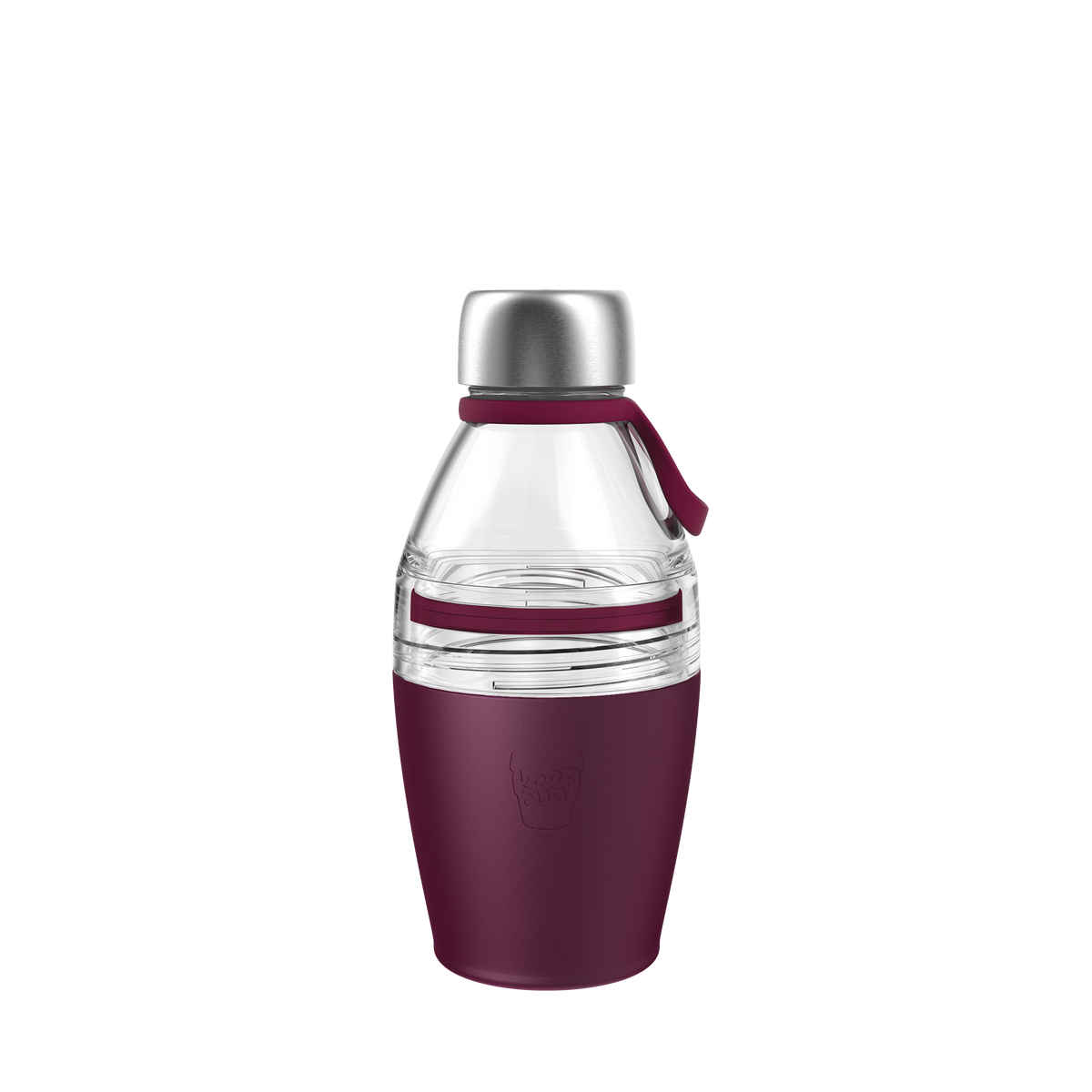
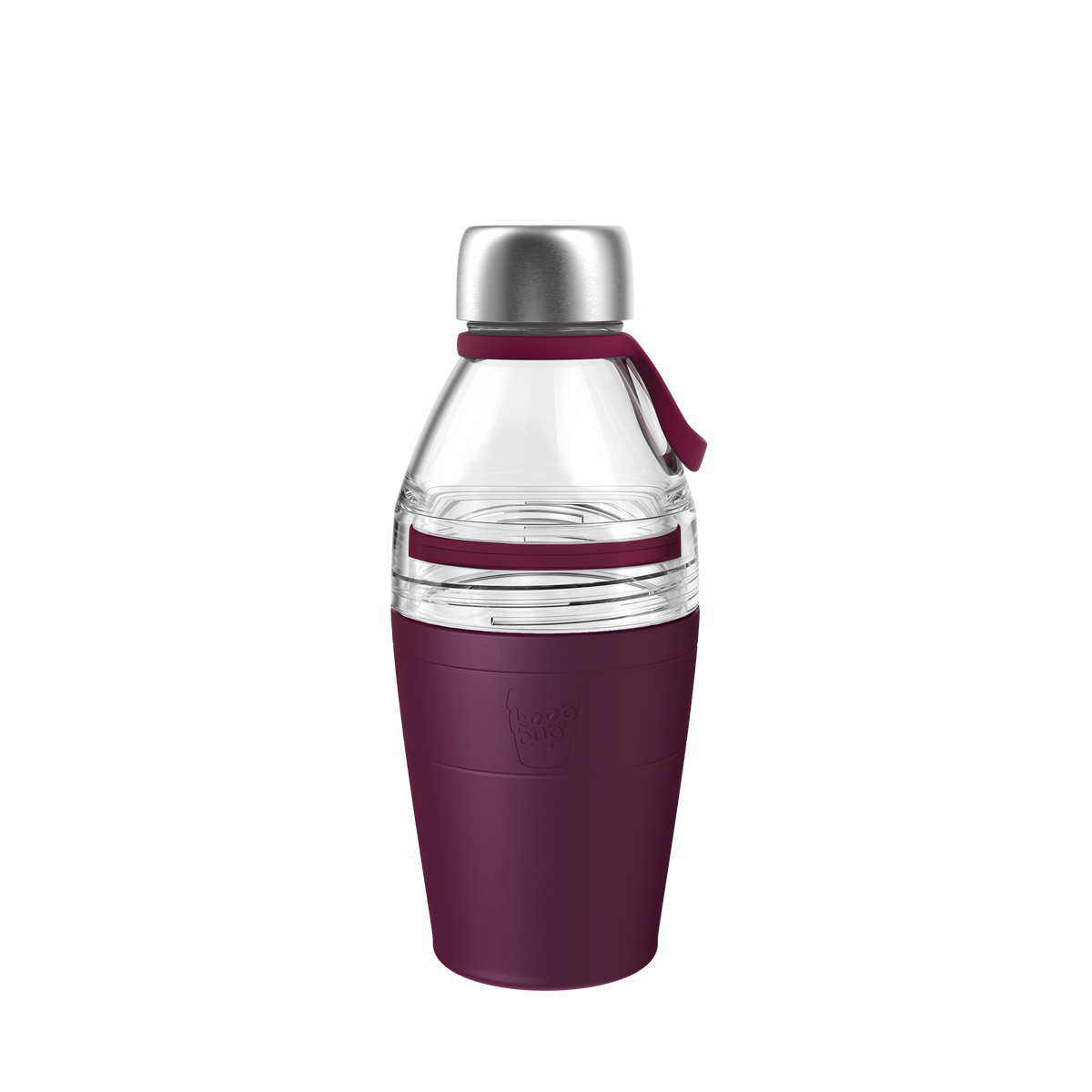
It is also why we design the way we do. Bands, seals, plugs, straws and flow adjusters all come off without tools, so there is nowhere for residue to hide. The Helix Bottle splits in the middle so you never need a bottle brush. Steel is electropolished rather than ceramic-coated, so yesterday’s coffee doesn’t follow you into today. And when a seal finally gives up, you replace the part, not the cup.

Making your coffee, taking the time to enjoy it, creating time — that is the ultimate flex. Owning things you value enough to take care of is a kind of wealth.

What’s wrong with disposable coffee cups?

A disposable cup looks like nothing. Paperboard, a plastic lining, gone in twenty minutes. Trace it back far enough and it starts somewhere much bigger than a bin: a forest that took centuries to grow, cut down to make something that lasted the length of a coffee.

Regional Forest Agreements leave roughly 6 million hectares of Australia’s native forests open to logging, including old growth, rainforest, and habitat for threatened species. In Tasmania alone more than a million hectares are under threat, including the country’s largest temperate rainforest. What replaces a logged native forest is rarely another forest — it is a single-species plantation. A plantation can grow timber. It cannot grow the layered, thousand-species complexity of what it replaced. Logging also increases the risk of extreme bushfires, and forests that are logged and burnt release carbon that would otherwise stay banked.

“Renewable” is doing a lot of quiet work here. A tree can be replanted, but a 400-year-old tree is not a renewable resource in any meaningful sense. Replacing it means waiting 400 years, and a changing climate means that clock may never restart the same way twice. It is closer to demolishing a cathedral to build a shed.

And it isn’t even necessary. Almost 90% of the wood produced in Australia already comes from established plantations, which support the vast majority of timber industry jobs. There is no remaining case for logging native forest, which makes the disposable cup a strange thing to still be defending.

This is why KeepCup exists. The maths on disposables never worked — not economically, not environmentally, and not when you follow the supply chain back to where the fibre came from. Every reusable cup in circulation is one less disposable cup demanding fibre from somewhere.

Do I get a discount for bringing my own cup?

Sometimes, but it’s each café’s call, and we’d gently argue it’s the wrong way to think about it.

A café still has to stock single-use cups for the customer who forgets, the tourist, the 8:15am queue. That inventory doesn’t disappear because you brought a KeepCup, so the café hasn’t saved money, and reuse can actually slow service at peak times.

Bringing your own cup is a decision you made for you: less landfill, better coffee, a more pleasurable drink. The good deed is its own reward. The moment it needs compensating, it stops being a value and becomes a transaction, and a poor one for the café, discounting a customer while still carrying full inventory costs.

If a café runs a loyalty perk, brilliant, that’s theirs to offer. But bringing your own cup isn’t an entitlement to money off.

Can I return or exchange my KeepCup?

Yes. Unused KeepCups in their original packaging can be returned within 30 days of delivery for a refund or exchange. Return postage is at your cost unless the item is faulty or incorrect.

If your order arrives faulty, damaged in transit, or isn’t what you ordered, contact us with your order number and a photo. We’ll arrange a replacement or refund at no cost to you, including return postage.

Design Your Own orders are made to order, so they can only be returned if faulty. Nothing here limits your rights under the Australian Consumer Law. For full conditions, see our returns and refund policy.

What’s the correct café etiquette with a reusable cup?

Hand over a clean cup. Hang onto the lid.

Grab your beverage. Secure the lid and go enjoy your day.

That’s the whole ritual. A clean, empty cup handed over at the till is the fastest way to keep the queue moving, and the lid staying in your hand is what makes it fast.

KeepCup was born in a café in 2009 and baristas have shaped the design ever since. The sizes are built to café pour volumes, not to look good on a shelf: 8oz for a flat white or short latte, 12oz for the café standard, 16oz when there’s more milk or ice in play. Hand over a 12oz and your barista knows exactly what fits. No guesswork, no waste, no repouring.

Reuse can slow a busy counter down. Doing it properly is how you make sure it doesn’t.