

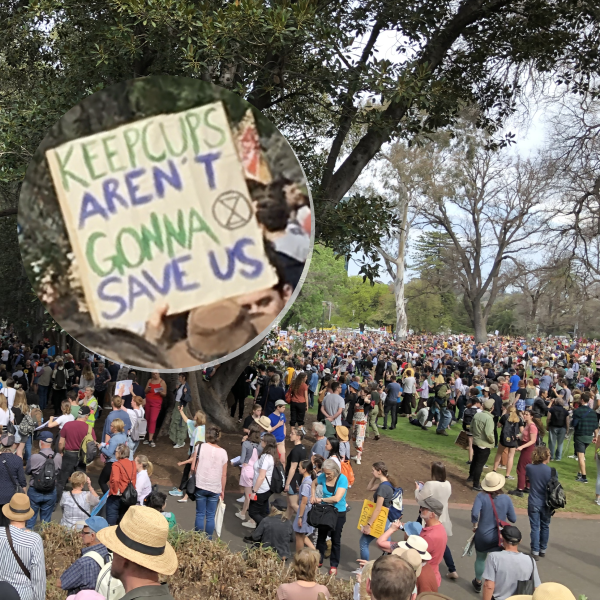
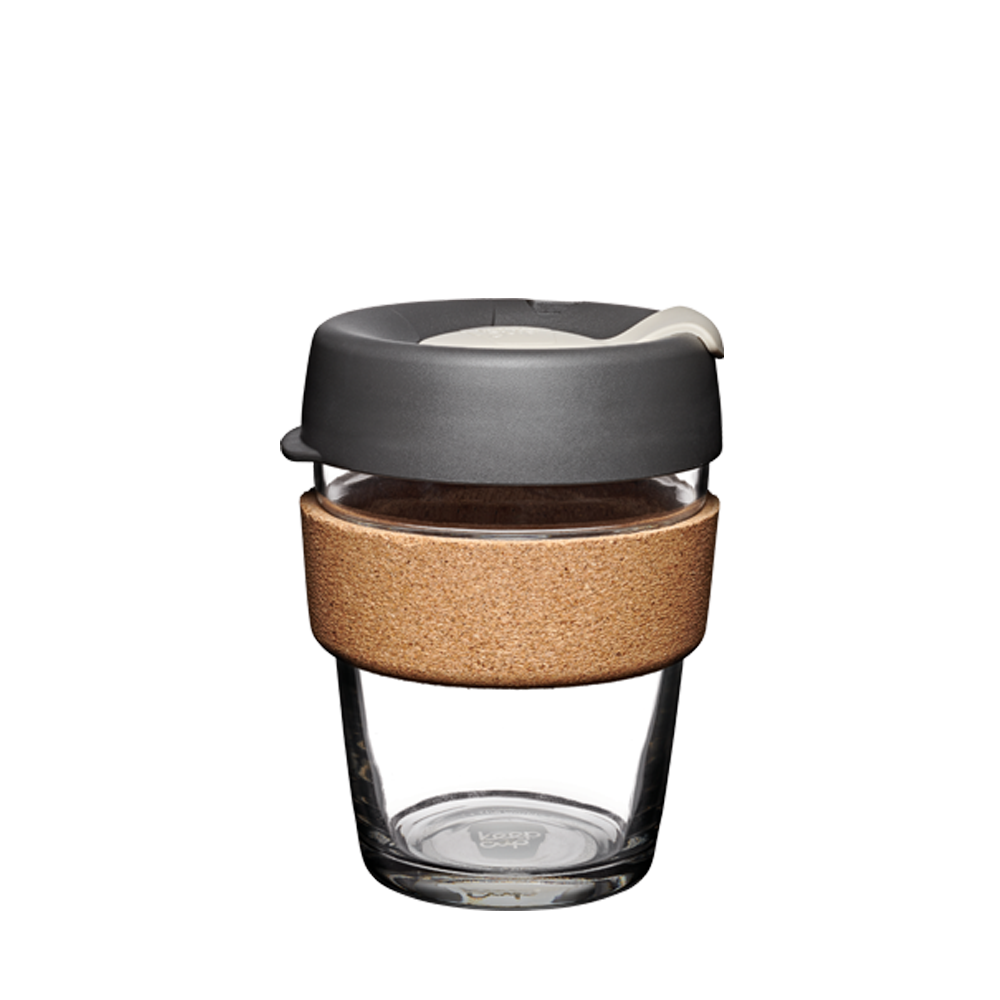
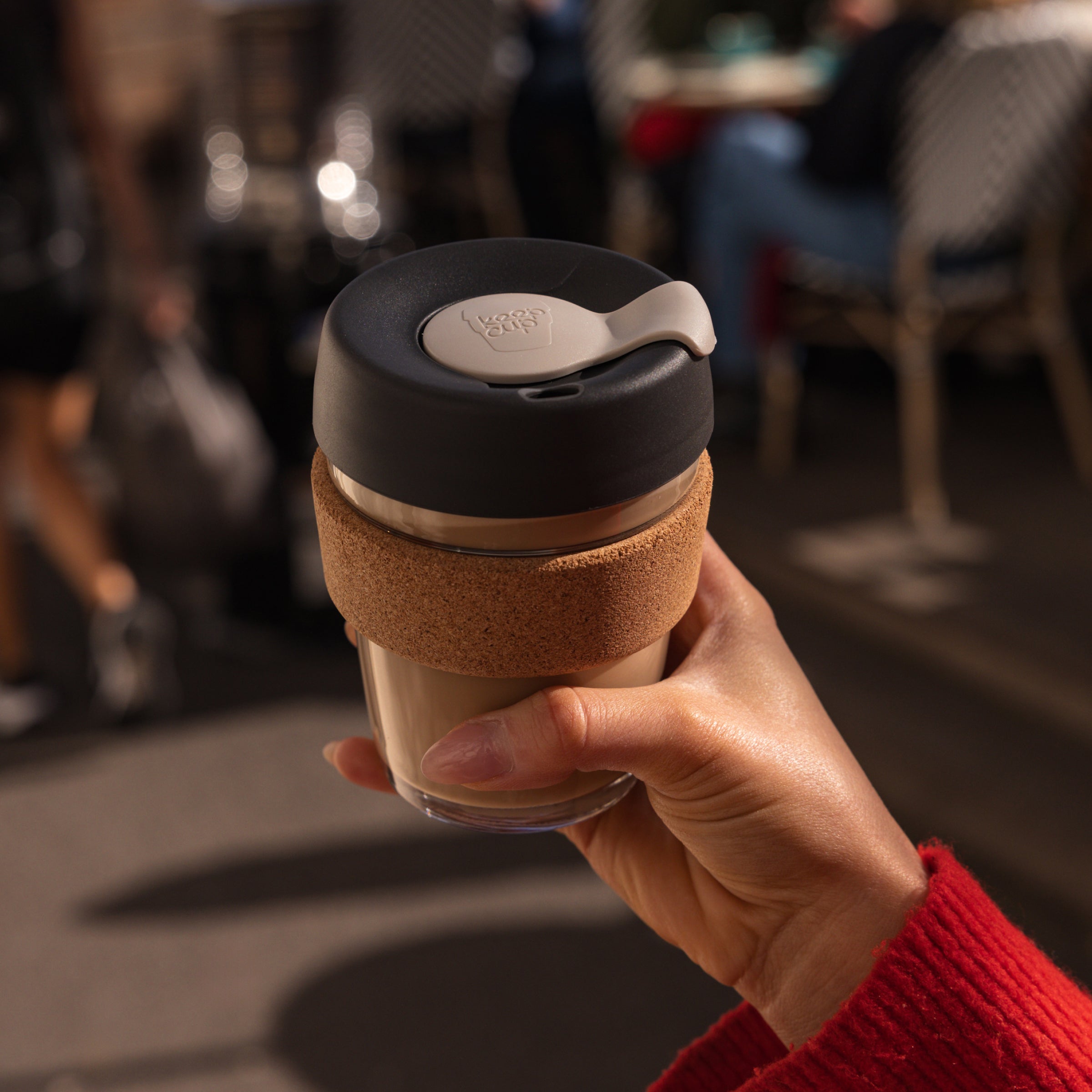
During the 2019 climate rally, I saw a placard that read: “KeepCups aren’t gonna save us.” Held by a climate protester.
True. And, oof.
In that moment, sustainable consumption, as a solution, was dead.
It was a long way from the heady early days of quiet nods between early adopters carrying their KeepCups. When a cup felt like more than a cup. It was a small act, a signal to others, and a belief that enough of those acts could add up to something bigger.
The Lie Of Sustainable Consumption
KeepCups aren’t gonna save us. It was a warning.
Our core audience was disengaging, and they were right to.
Individual behaviour change. The hope that small collective actions would add up. Even the rise of influencer culture. All of it was being used to pull attention away from the systemic change required, change that governments need to legislate and big businesses need to make.
The lie wasn’t that individual action was meaningless. It was that we could consume our way out of a crisis built into the system.2. What kind of community are you looking to build here
You are not just starting a newsletter when you start a Substack, you are starting a community. You are inviting people to subscribe to your thinking. What kind of space will this be?
Who Really Made the Mess
And it wasn’t an accident.
In the early 2000s, BP and Ogilvy helped popularise the idea of the personal “carbon footprint.” As part of BP’s Beyond Petroleum campaign, its carbon calculator invited you to measure your own impact (and feel superior to your neighbour) rather than hold Big Oil to account.
It was a masterstroke: shift responsibility for carbon pollution away from the company and onto you.
No-litter campaigns run the same play. McDonalds and Coca-Cola bankrolled anti-litter messaging, turning the by-product of corporate profit into your personal failing.
Meanwhile, the oil industry’s future is increasingly reliant on plastics and petrochemicals, and on the culture of convenience that keeps us consuming them. Convenience is a key strategic pillar of the oil industry’s plans for the next decade. Convenience is never neutral. It’s a culture, and it is manufactured.
The single-use cup that takes centuries to break down wasn’t your idea. It’s a business model. And one that needs your participation to survive.
Davos, Covid, And Losing Our Nerve
Then there was Davos. Wealthy people flying in on private jets to solve the world’s problems together, with no mention of taxing wealth, while the rest of us stood in line with our reusable cups, carrying the weight of an unfairness none of us had built.
Then Covid hit, and we watched how fast governments could act when they decided to. Reuse was out. Single-use was back. The oil industry didn’t waste the crisis, doubling down on the message that single-use meant safe and hygienic. Again.
As a brand, KeepCup went from celebrating the everyday changemaker to sounding shrill. At the same time, people were posting photos of their cupboards full of reusable cups. Proof, if you needed it, that you can’t buy your way to sustainability. You can’t buy your way to less.
The way forward must mean fewer things. Less stuff, shorter shipping distances. Less, full stop.
Because weighing your one reusable cup against an entire economy built on extraction is a rigged scale. It turns systemic unfairness into personal failure.
And somewhere in that contradiction, we lost our nerve.
And with it, our voice.
KeepCup lost its rebellion.
Fresh Eyes
It took time, and someone new, to say it plainly. A recent addition to the team put it simply: “KeepCup is Creator energy with a bit of Outlaw. But the brand voice has gone bland. It’s lost its rebellion.”
She was right.
The outrage is still there. We feel the irony of drinking from a reusable cup while, elsewhere, destruction happens at a scale that makes individual action feel almost laughably small. The tension between small acts and system-level change is real. It doesn’t disappear just because it’s uncomfortable.
But here’s what I know: we still get to choose how we show up.
Our values. Our integrity. What we participate in and what we refuse. Companies, cultures and systems are all made of people. And people can change them.
We can be passive. We can give up. We can shrug and say, YOLO, let’s just have fun. And there must be space for joy, too.
But a purposeful life is one that holds up in every season, not only the easy ones.
Be The Change You Want To See
Be the change you want to see in the world. That’s the individual act.
Culture change looks small until, suddenly, it’s system change. It happens incrementally, almost invisibly, until it tips. And it tips when enough individuals decide to move.
Every act of single-use is a tiny surrender to a system built to profit from convenience and inertia.
Single-use isn’t neutral. It’s a business model that concentrates profit for a few and leaves the environment, and our health systems, to pick up the bill.
Reuse isn’t a personality trait. It’s a vision of the future, put into practice every time we refuse single-use.
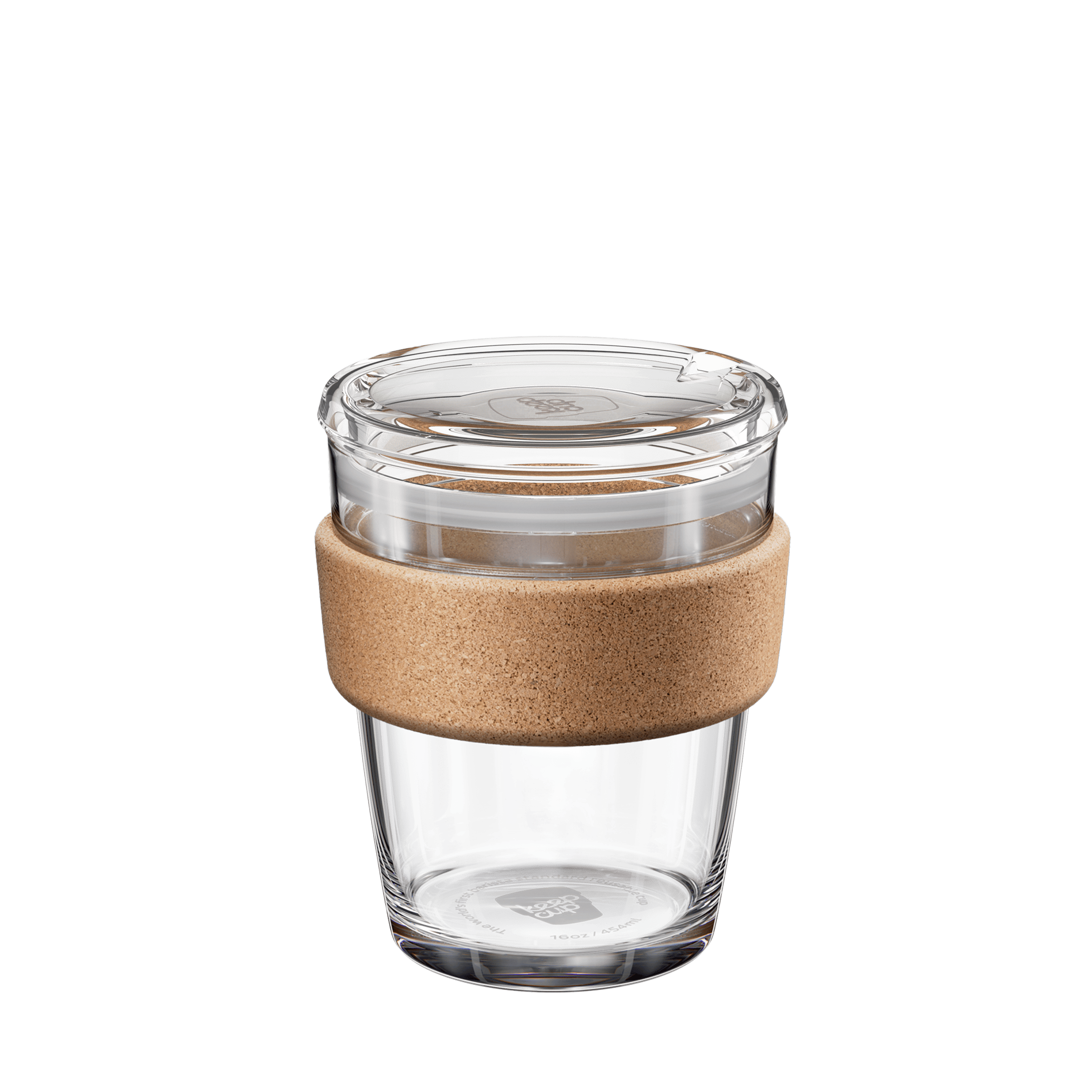
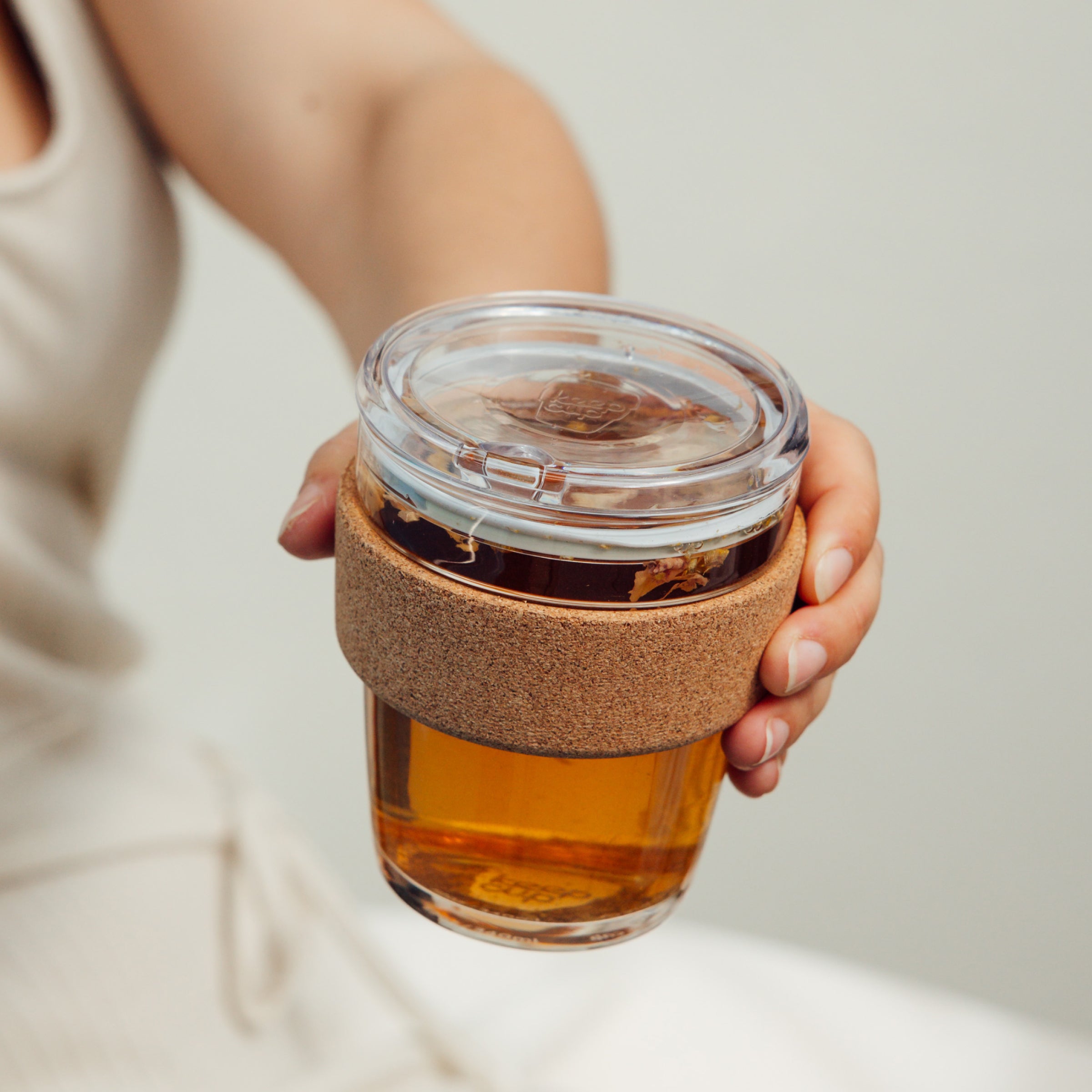
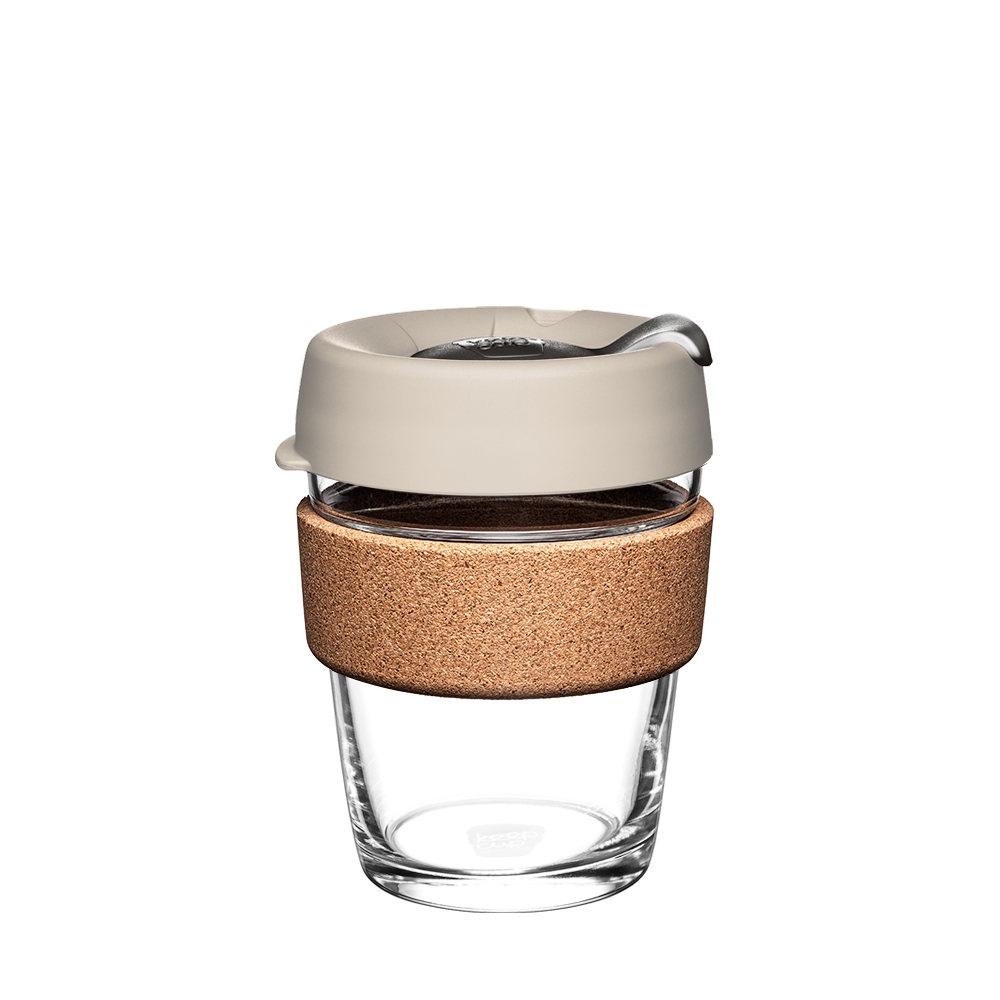
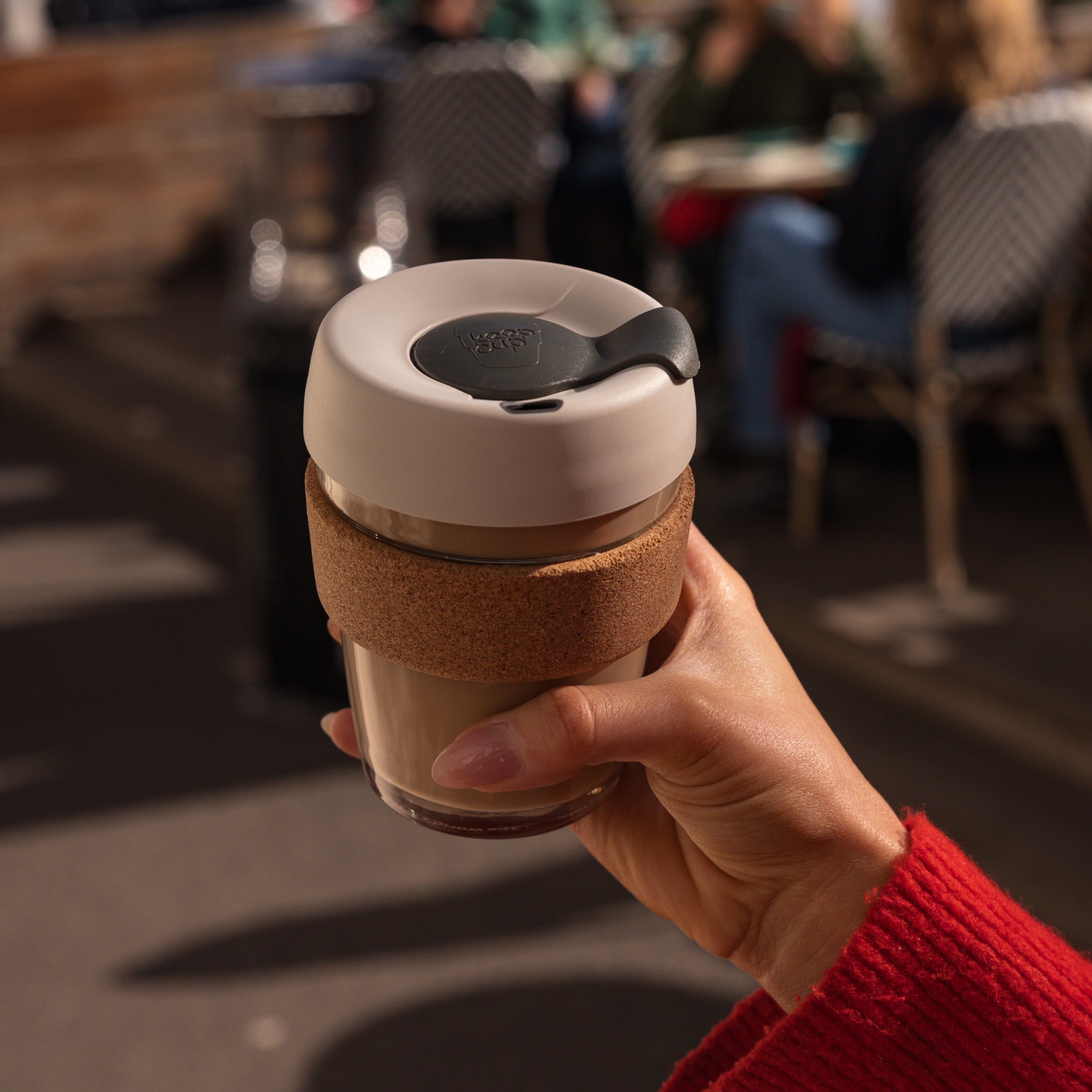
KeepCups aren’t gonna save us. But carrying one is showing up for a better way.
Subscribe to KeepCup on Substack to get hot takes on reuse and the culture of convenience delivered straight to your inbox
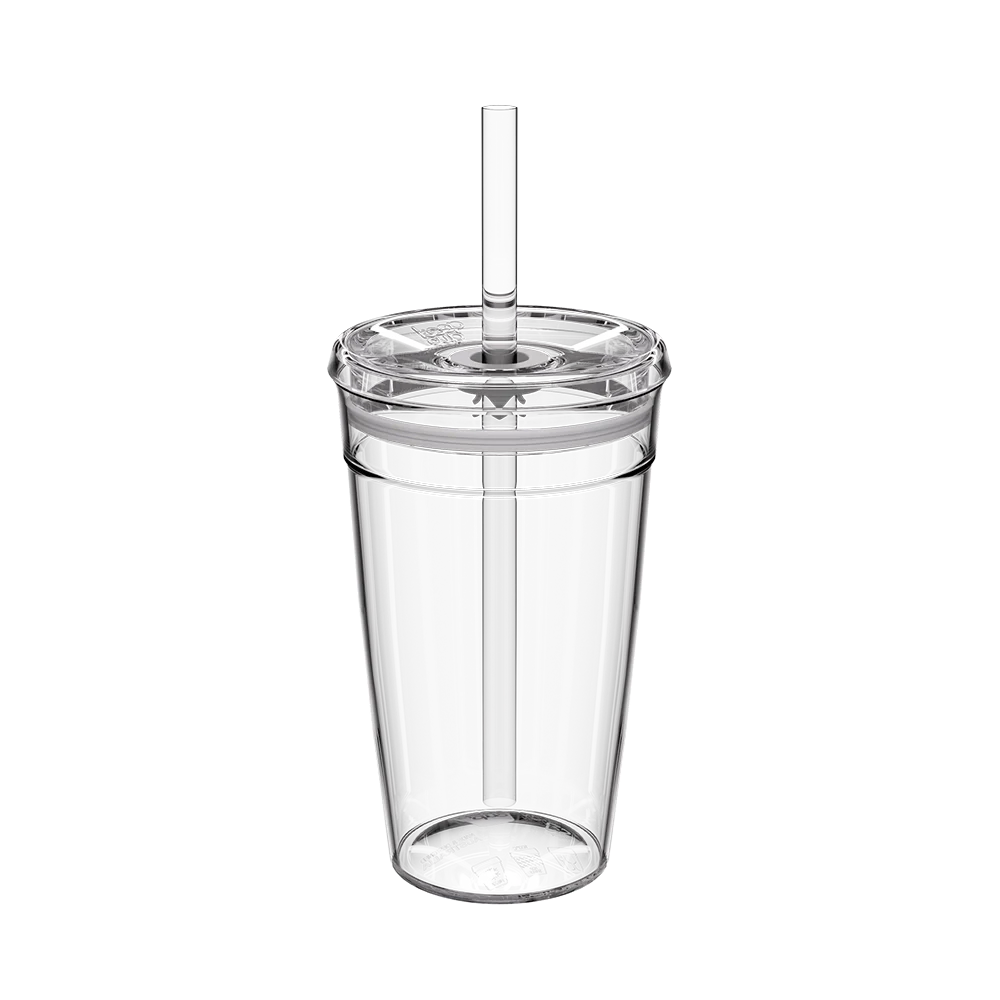

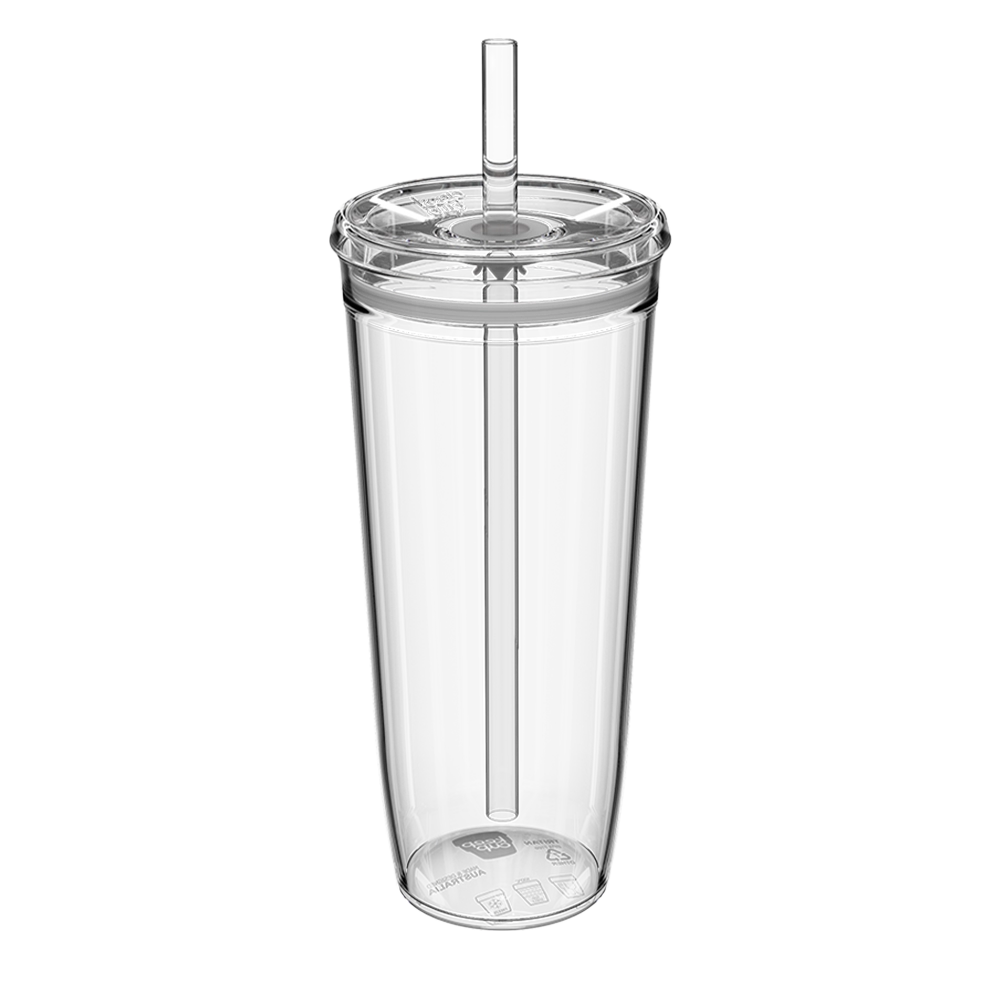
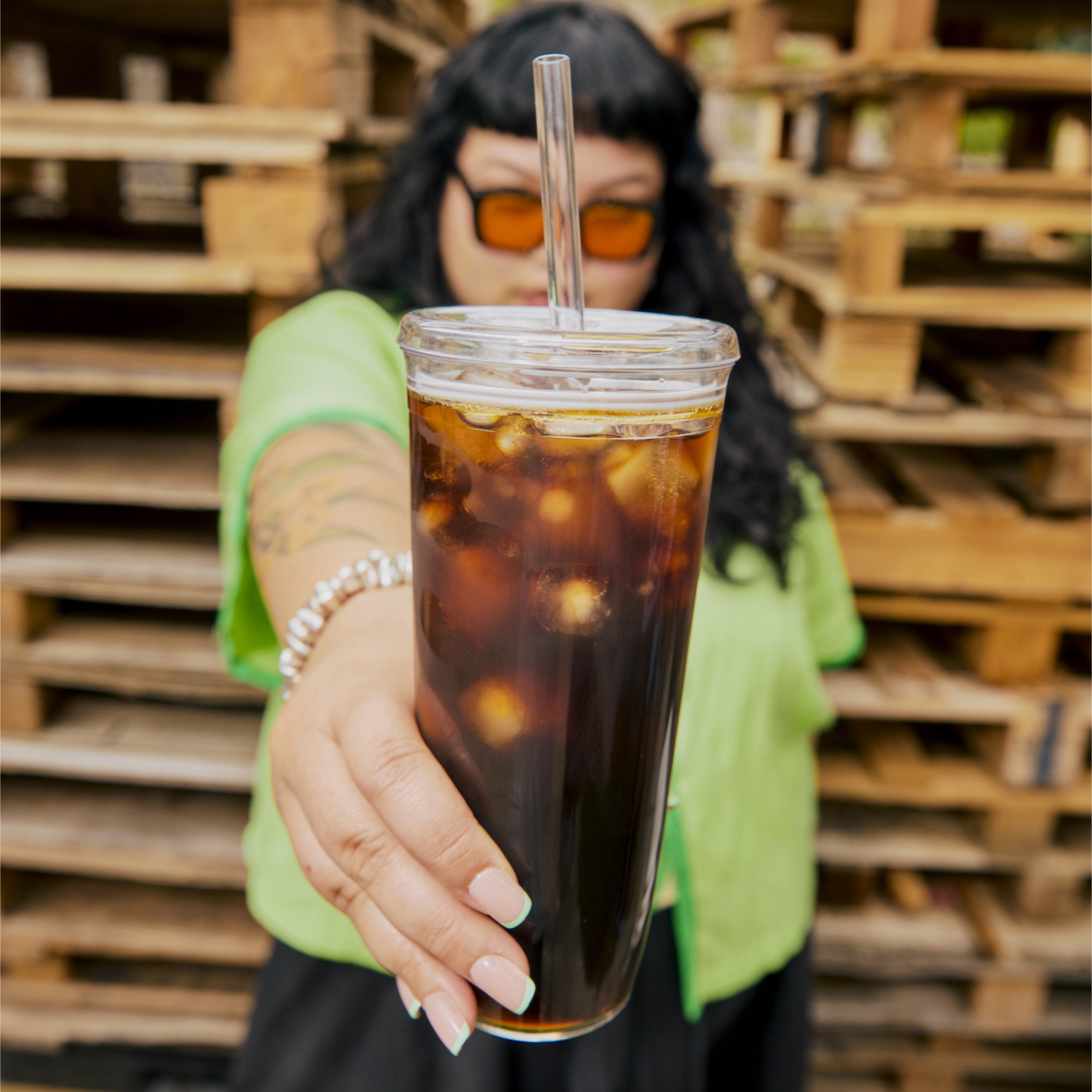
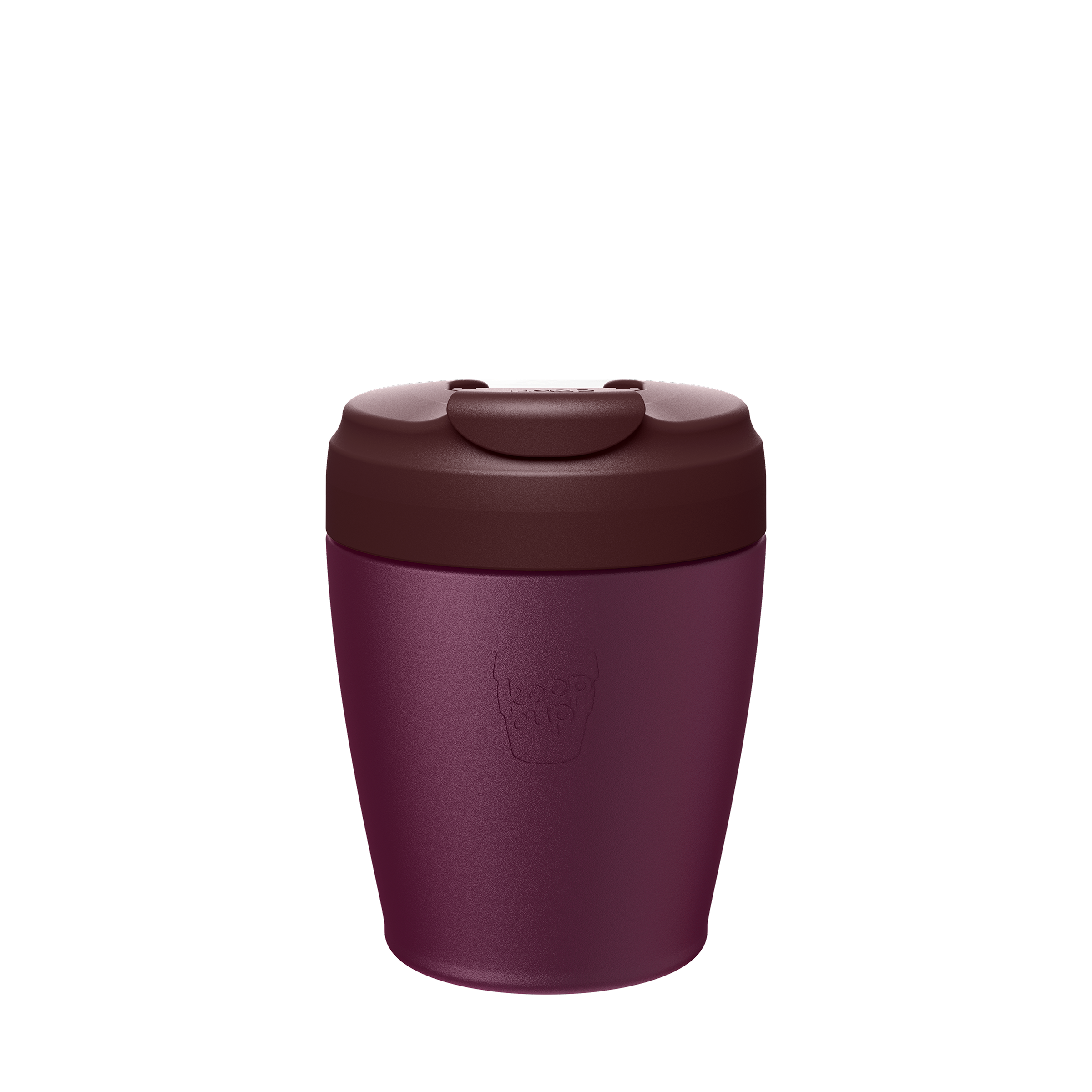
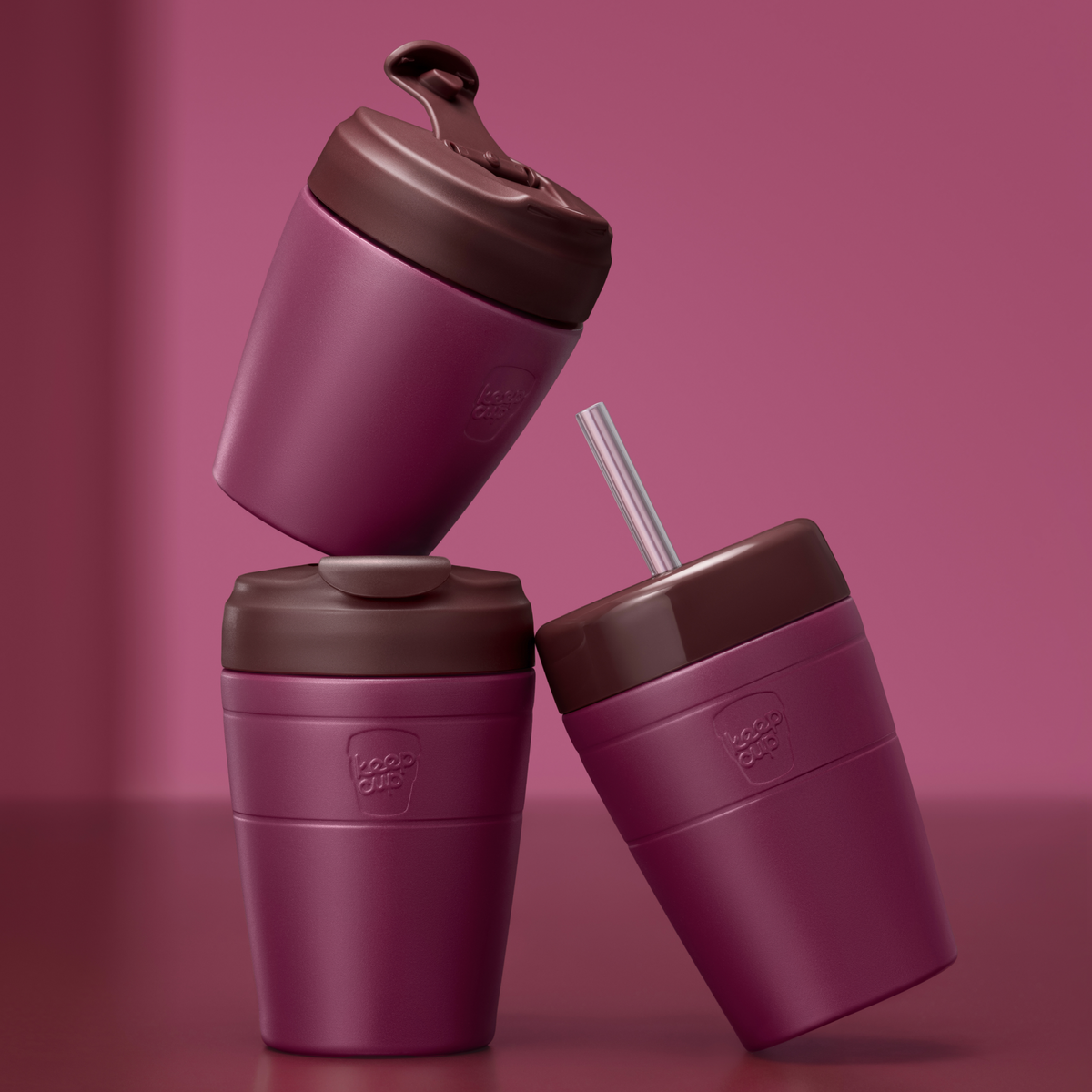
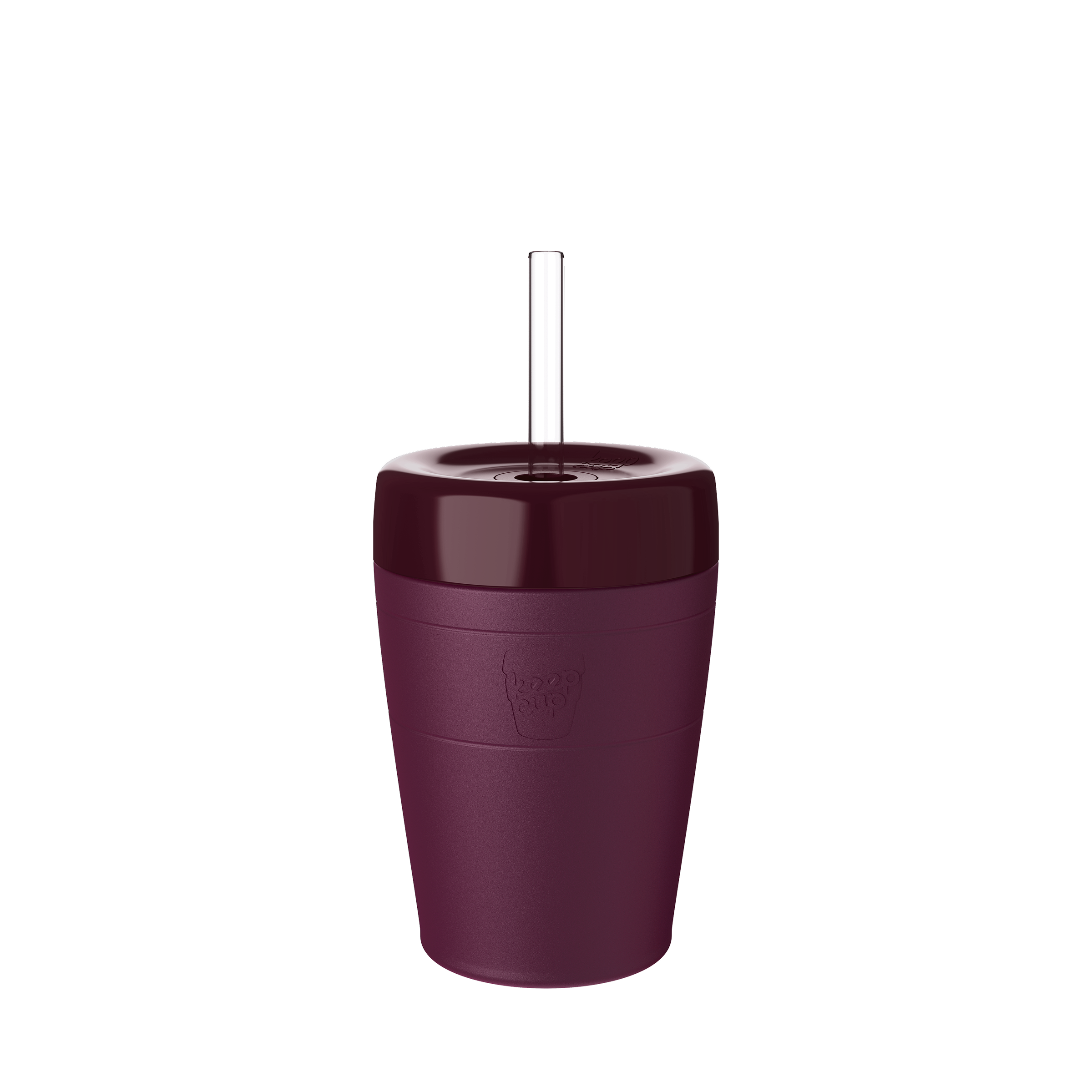
Cold Brew and the Reusable Straw Cup It Deserves — A KeepCup Guide